Crates of Las Vegas Journal
ISPM 15 Crates: An International Shipping Checklist
For an international shipment, wood packaging can be an important compliance detail. Where the destination requires ISPM 15, covered wood packaging needs approved treatment and marking. Addressing that requirement early can prevent a packaging problem from surfacing at collection or inspection.
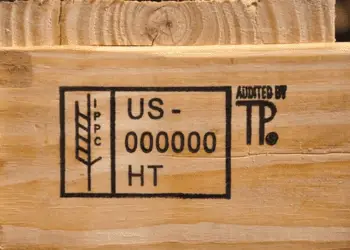
The crate also needs to suit the contents and handling route. Treat export compliance, physical protection and shipping documents as connected tasks with separate checks.
What ISPM 15 means for a crate
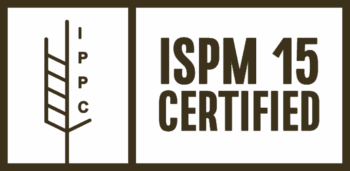
ISPM 15 is a plant-health standard for regulated wood packaging used in international trade. Its treatment and marking system addresses the risk of moving pests with that wood.
It does not certify the crate’s structural capacity or guarantee that its contents will arrive on time. Certain processed-wood packaging is exempt under the standard, but solid-wood parts of a mixed-material crate may still be covered. Review the complete packaging specification and the destination requirements.
Confirm the destination before ordering
USDA APHIS export guidance directs exporters to determine whether the country of destination requires ISPM 15-compliant packaging. Give the crate provider and forwarder the same route information, including transit countries when known.
Ask who will confirm treatment and marking and how the completed packaging will be checked before dispatch. Avoid relying on a generic statement that every crate is certified or that all international destinations have identical requirements.
Design the interior for the cargo
Electronics, antiques and heavy equipment still need their own support and protection arrangements. Supply dimensions, weight, approved contact points and manufacturer or conservator instructions where relevant.
The exterior, base and restraints should suit the load and expected handling. Cushioning and environmental precautions should be selected for the item. A treatment mark does not establish any of those performance characteristics, and a strong enclosure does not replace cargo-specific preparation.
Check reusable packaging before export
An existing crate can be considered for another trip when it remains structurally and dimensionally suitable. Inspect its supports, panels, closures and packing materials, and confirm that the load has not changed.
Repairs and replacement wood can affect the treatment and marking requirements. Ask a qualified provider to assess the crate rather than assuming an old mark covers every alteration. Reuse may reduce replacement material, but its value depends on recovery, storage and maintenance.
Complete the pre-dispatch checklist
- Confirm the destination’s wood-packaging requirements.
- Review the proposed materials and any applicable exemptions.
- Confirm required treatment and marking with the provider.
- Check the item’s interior support and handling instructions.
- Have the forwarder review the commodity and shipping documents.
- Confirm unloading access and the receiving contact.
Noncompliant packaging can lead to delays or other border action. Correct packaging addresses one source of risk; inspections, documentation or commodity restrictions can still affect the shipment. Allow time to resolve questions before the scheduled departure.
PLAN YOUR CRATING
Discuss your international crate requirements
Contact Crates of Las Vegas with the destination, cargo specifications and proposed shipping date. Ask for a clear crating scope and confirmation of the treatment and marking needed for your particular shipment. Review heat-treatment requirements and discuss custom packaging options for the cargo and destination.
Discuss Your Crating ProjectMORE CRATING GUIDES