

LAS VEGAS · CRATING GUIDE
Crating Medical Supplies in Las Vegas: Define the Protection Needed
Medical supplies can include very different products, from packaged instruments to temperature-sensitive goods and larger equipment. They should not be placed under one generic crating or storage plan.
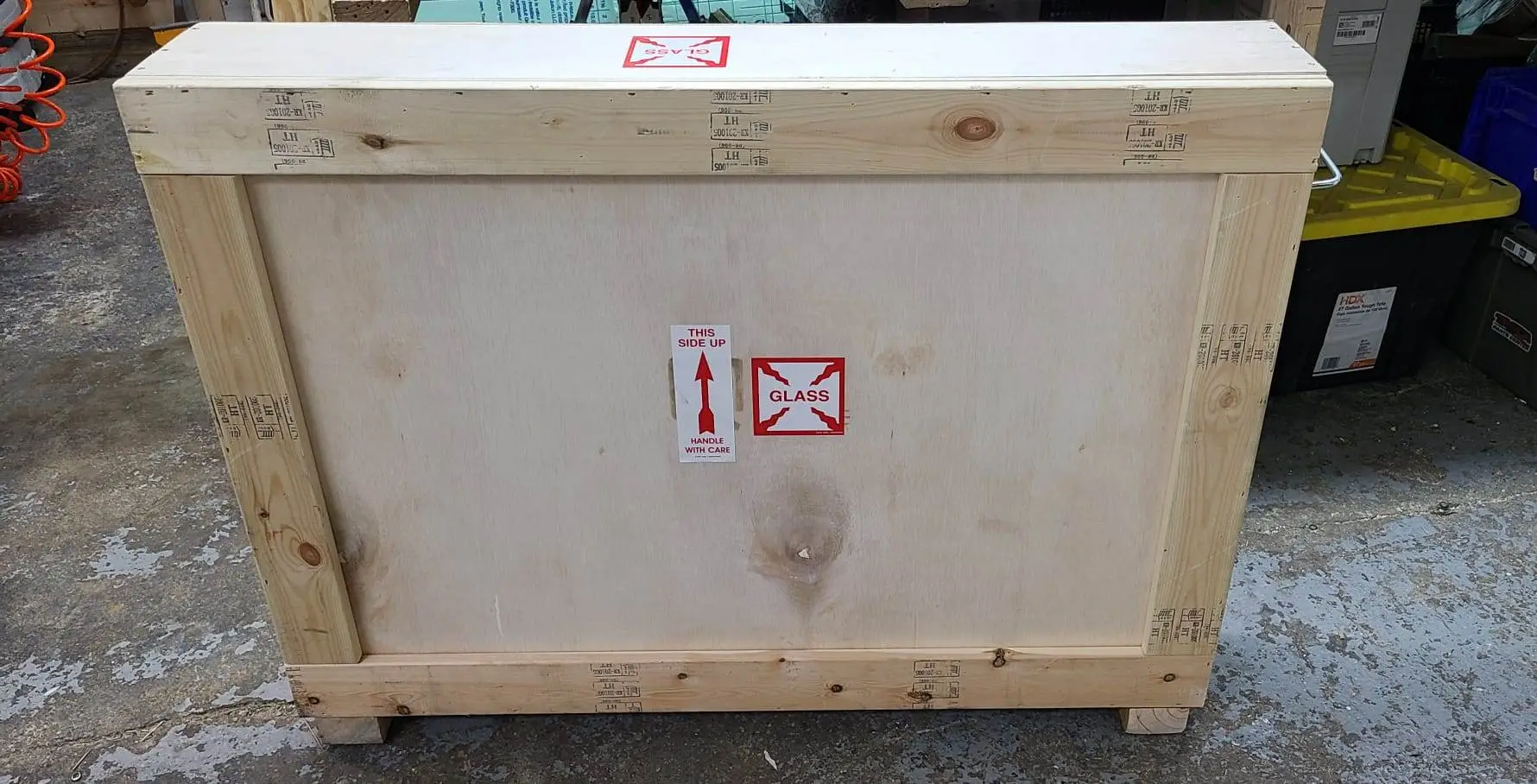
The starting point is the product's approved packaging and transport instructions. An outer crate may provide freight protection, while sterility, temperature limits and release for use remain separate responsibilities.
Identify the product and its existing packaging
List the contents, quantities, dimensions and weight. Record whether each item is already in manufacturer packaging and whether that packaging must remain unopened. Identify expiry information and handling labels that need to stay visible or traceable.
Do not replace a validated product package with a general-purpose packing method. Ask the manufacturer, supplier or responsible quality professional to resolve missing transport instructions before the shipment is prepared.
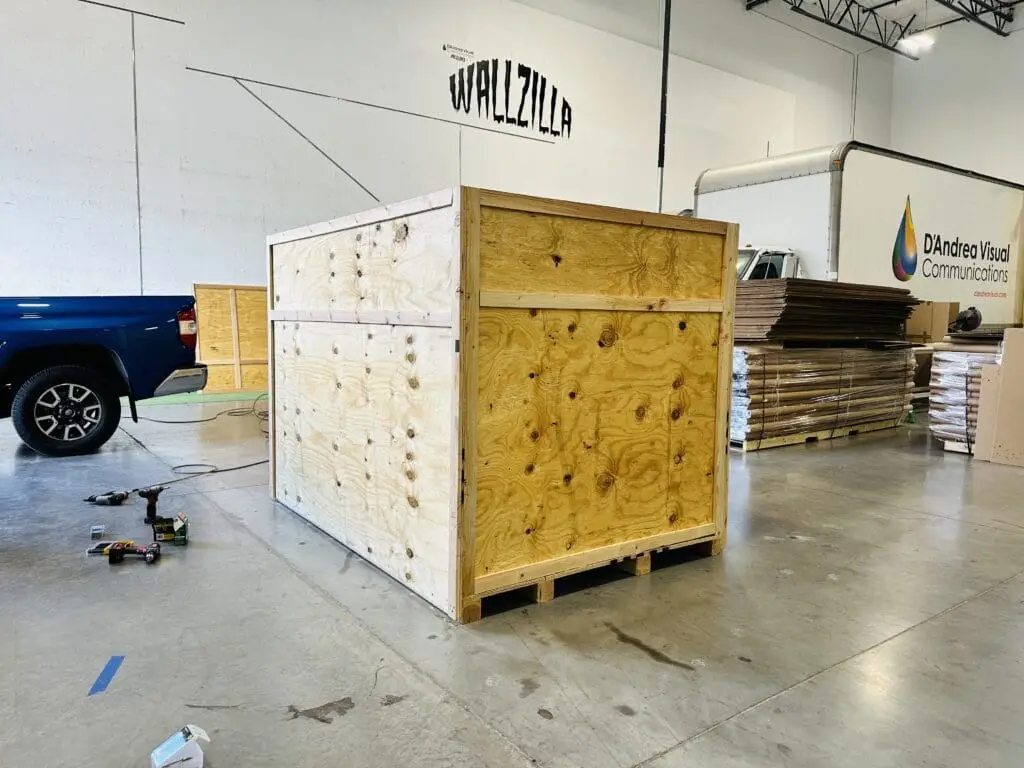
Define what the outer crate should do
A crate can provide a handling base and enclosure for suitable loads. Interior dividers, cushioning and supports should keep compatible packages organized and protect them from damaging contact.
Ask how the load will be restrained without crushing product cartons or sterile packaging. Avoid loose accessories moving against delicate components, and confirm where lifting and unloading can safely occur.
Wood crating is not a sterile barrier and does not sterilize its contents. The FDA's medical-device sterilization information describes sterilization as a separately controlled process. Do not treat an intact outer crate as proof that a medical product is suitable for use.
Specify temperature and moisture requirements
For products with environmental limits, obtain the required range and approved transport method from the manufacturer or responsible quality team. Ask who selects the qualified packaging system, monitors the shipment and reviews any excursion.
Insulation alone does not establish a maintained temperature range. Gel packs or dry ice should never be added as a generic recipe: suitability, duration, product contact and transport restrictions need specialist assessment.
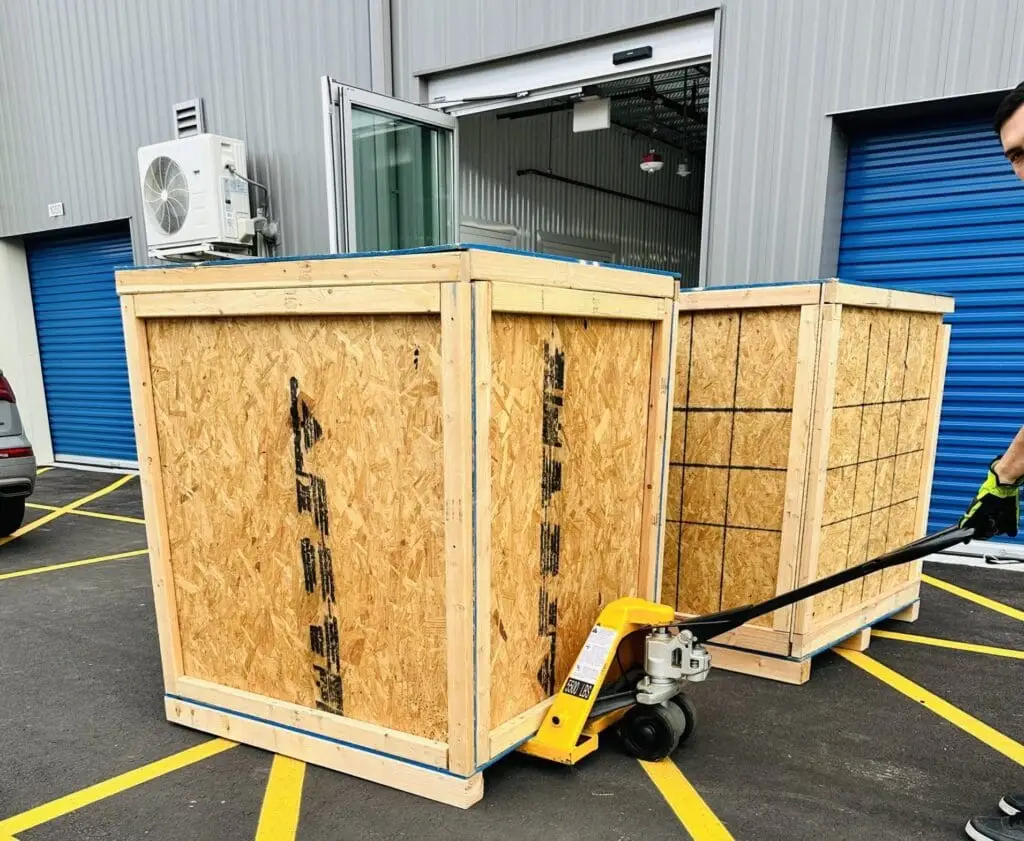
Keep documentation tied to real requirements
- Maintain a shipment inventory with package identifiers.
- Keep manufacturer handling instructions with the responsible team.
- Record packing condition and any agreed inspection checks.
- Confirm carrier acceptance of the actual contents and packaging.
- Identify who evaluates discrepancies, damaged packaging or monitoring results.
Applicable medical-product and transport requirements depend on the goods and route. A general statement that a crate is FDA- or OSHA-compliant does not demonstrate that the complete shipment meets them.
Review performance using documented results
When comparing providers, ask for relevant experience and an explanation of the proposed packing. If a supplier presents damage-reduction or temperature-performance figures, check the underlying shipment conditions and evidence.
Track your own packing and receiving observations over repeat shipments. Those records can identify improvements without relying on unsupported success stories or a promise of zero spoilage.
PLAN YOUR CRATING
Discuss the freight-protection scope
Contact Crates of Las Vegas about the applicable medical-equipment crating service. Provide the product packaging instructions and clarify which freight-protection tasks are needed, with any sterile or temperature-controlled requirements assigned to appropriately qualified parties.
Discuss your crating projectMORE CRATING GUIDES




