

Medical equipment
Medical Equipment Crating: Safety, Compliance & Transport Tips
Medical and laboratory equipment can have transport requirements that are not obvious from its outer dimensions. A device may need transit locks, protected assemblies, a specific orientation or preparation by an authorized service team before it can be packed.
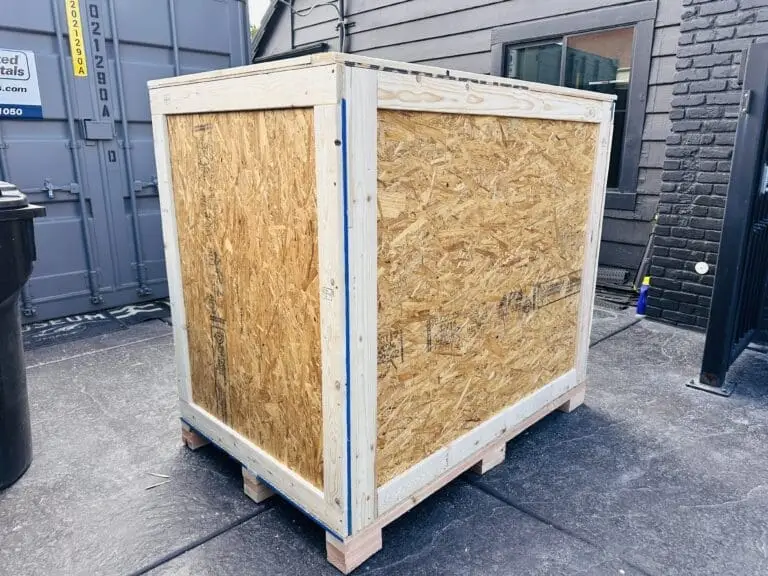
For hospitals, laboratories and equipment owners in Las Vegas, a crating plan should begin with the manufacturer's instructions and the receiving facility's requirements. The crate supports transport protection; it does not establish sterility, regulatory approval, calibration or readiness for patient use.
Why Medical Equipment Needs a Specific Packing Plan
Equipment damage can interrupt installation, laboratory work or scheduled service. Sensitive components may be affected by vibration, impact, moisture or temperatures outside the manufacturer's limits.
Gather the information needed to assess those risks:
- Equipment make, model, dimensions and weight
- Manufacturer shipping and storage instructions
- Approved lifting, support and attachment points
- Accessories, loose components and transit restraints
- Any service preparation required before movement
- Receiving and post-delivery inspection arrangements
Do not infer a device's requirements from another machine that looks similar. If instructions are unavailable, ask the owner or manufacturer to resolve the gap before packing.
Selecting the Right Crate
Different equipment needs different support. A reinforced base may be needed for a heavy unit, while a delicate instrument may require a carefully selected cushioning system or an inner case.
Diagnostic and Laboratory Instruments
Identify sensitive assemblies and removable accessories. Supports should act on approved structural points, with separate protection for vulnerable controls or protrusions.
Surgical and Other Clinical Equipment
Retain any manufacturer-specified protective packaging. An outer freight crate should not be treated as a substitute for device-specific sterile or protective packaging.
Large Imaging and Other Heavy Equipment
Coordinate the packing plan with the qualified service and rigging teams. Confirm preparation, transit locks, access and destination unloading before the crate is fabricated.
Avoid choosing materials solely to minimize weight. The complete system must support the load and meet its handling needs.
Safety and Handling Best Practices
Cushioning and Restraint
Blocking, bracing and cushioning should match the equipment rather than a generic packing recipe. FedEx's freight guidance includes separate considerations for sensitive electronic and medical equipment; use the selected carrier's current requirements alongside the manufacturer's instructions.
Moisture and Temperature
Agree on any moisture barrier, corrosion protection or controlled-temperature transport with the equipment owner or manufacturer. Adding insulation or desiccant alone does not establish that the required conditions will be maintained.
Identification and Records
Document the pre-shipment condition and packing arrangement. Label the crate with its shipment reference, orientation and appropriate handling instructions. Keep an inventory of accessories and any service records the recipient needs.
Compliance Considerations
Several distinct issues may need review:
- Device-specific packaging, labeling and handling requirements
- Transport requirements for batteries, fluids or other regulated contents, if present
- Applicable international wood-packaging treatment and marking
- Customs documents and destination import requirements
- Contractual responsibilities and any separately arranged cargo coverage
For packaging used with terminally sterilized devices, the FDA's recognized-standard listing addresses sterile barrier and packaging systems. A custom wooden freight crate should not be advertised as providing that function without a device-specific validated basis.
For international wood packaging, consult the provider and the relevant destination authority. No general claim that a crating company is “certified” establishes compliance for every medical shipment.
Transport, Receiving and Reuse
Confirm the carrier's service, vehicle access, lifting equipment and delivery appointment. Do not assume that a medical facility has a suitable loading dock or can accept a large crate through its normal entrance.
State any stacking restrictions according to the approved packing plan. A strong-looking crate is not evidence that stacking is safe.
At arrival, document visible condition and follow the manufacturer's unpacking, inspection and commissioning instructions. Keep equipment out of use until the responsible team completes the required checks.
If a crate will be reused, inspect its hardware, supports and cushioning before each trip. A change in equipment or accessories requires a fresh fit and load review.
Frequently Asked Questions
Why use a specific medical-equipment crating plan?
It coordinates the enclosure with the device's handling limits, service preparation and receiving requirements.
What is the best crate for a medical device?
The answer depends on the model, weight, support points and manufacturer instructions. There is no single design for every device.
Must international medical shipments use wooden crates?
No. Select suitable packaging and then verify the rules for the actual materials, contents and route.
How should fragile equipment be secured?
Use the approved support and restraint points with an appropriate cushioning arrangement. Resolve uncertain details with the manufacturer or authorized service team.
Can the same crate be used again?
Only after checking its condition and suitability for the next load and route.
PLAN YOUR CRATING
Discuss Your Medical Equipment Packing Requirements
Send Crates of Las Vegas the equipment specifications, manufacturer transport instructions and pickup and delivery details. Request a medical equipment crating review so the packing scope can be coordinated with your service and logistics teams.
Discuss your shipmentMORE CRATING GUIDES



