LAS VEGAS · OVERSIZED FREIGHT
Large Item Shipping in Las Vegas: Packaging Oversized Industrial Goods
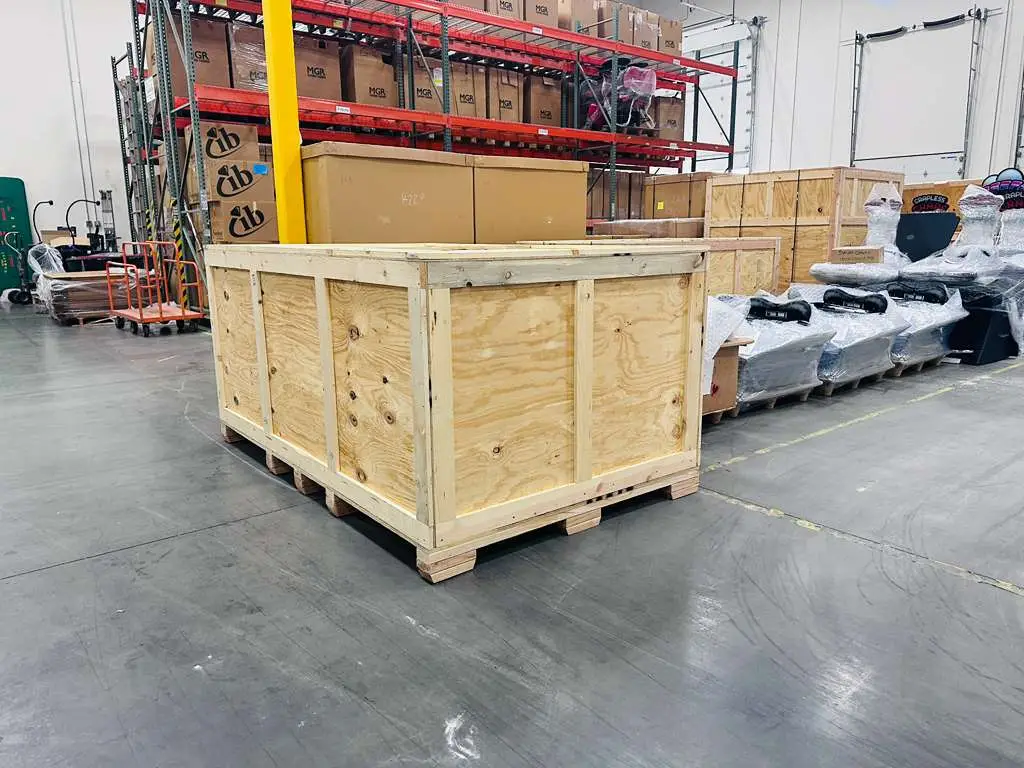
Shipping oversized industrial goods requires coordinated packaging, handling, and transportation. Manufacturing machinery, medical equipment, exhibition materials, and other large items can combine substantial weight with components that are vulnerable to contact, vibration, or unsuitable support.
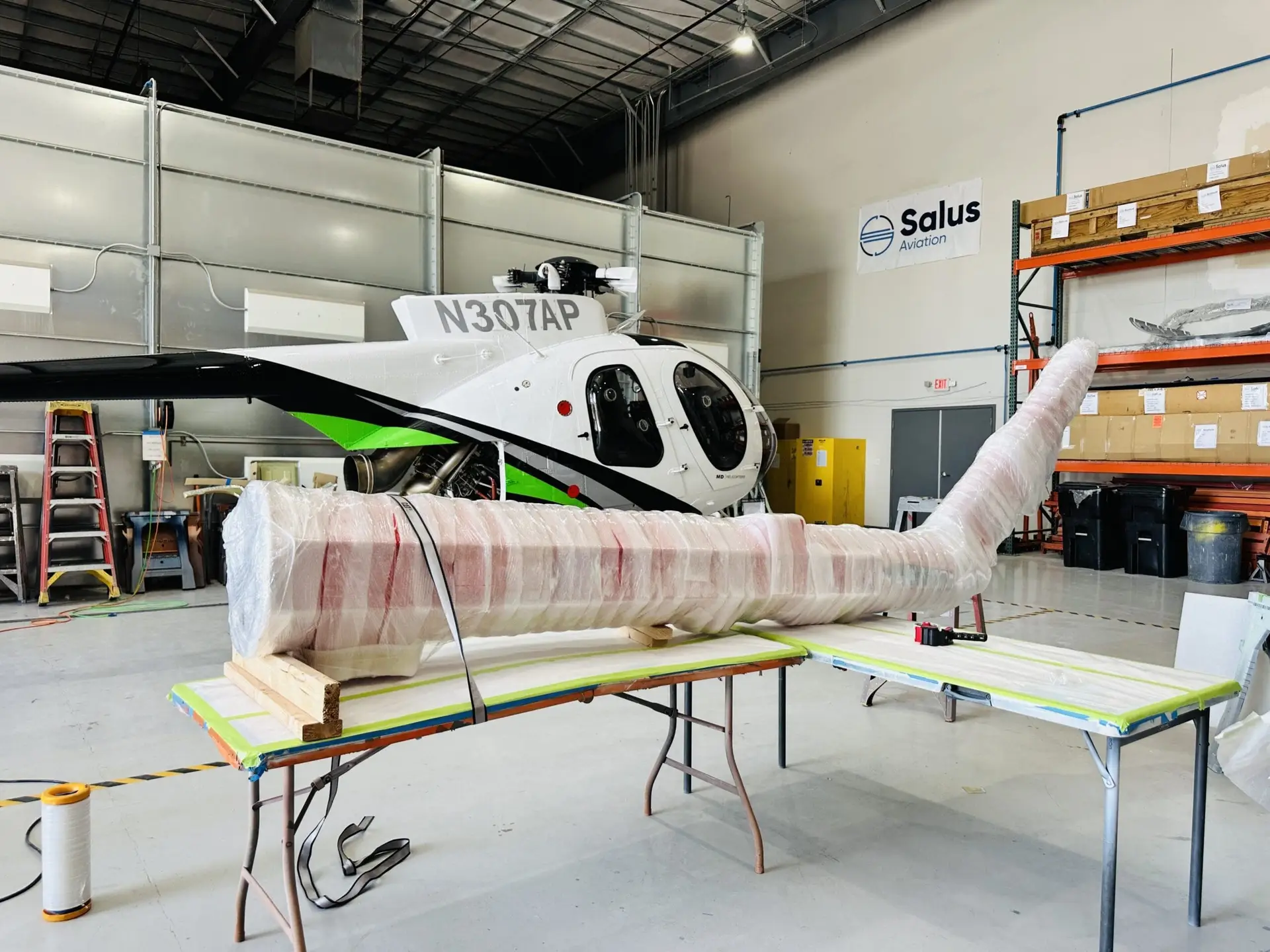
A custom crate can help protect the cargo and provide a workable handling base. Its design should match the equipment's dimensions, weight distribution, sensitivity, and route. For Las Vegas shipments, the plan also needs to account for site access, outdoor loading, and the receiving team's capabilities.
Why Large Items Need Specialized Crating
Account for Size, Weight, and Access
Large industrial goods may exceed the practical limits of a conventional pallet, standard loading dock, or common lifting equipment. Their packed dimensions and weight can influence the vehicle, route, permits, and unloading arrangements.
Assess access before fabrication. A crate that protects the item but cannot pass through the destination doorway or be unloaded with the available equipment creates another handling risk. Coordinate clearances, lifting provisions, and any necessary specialist rigging from the start.
Design for Protection and Stability
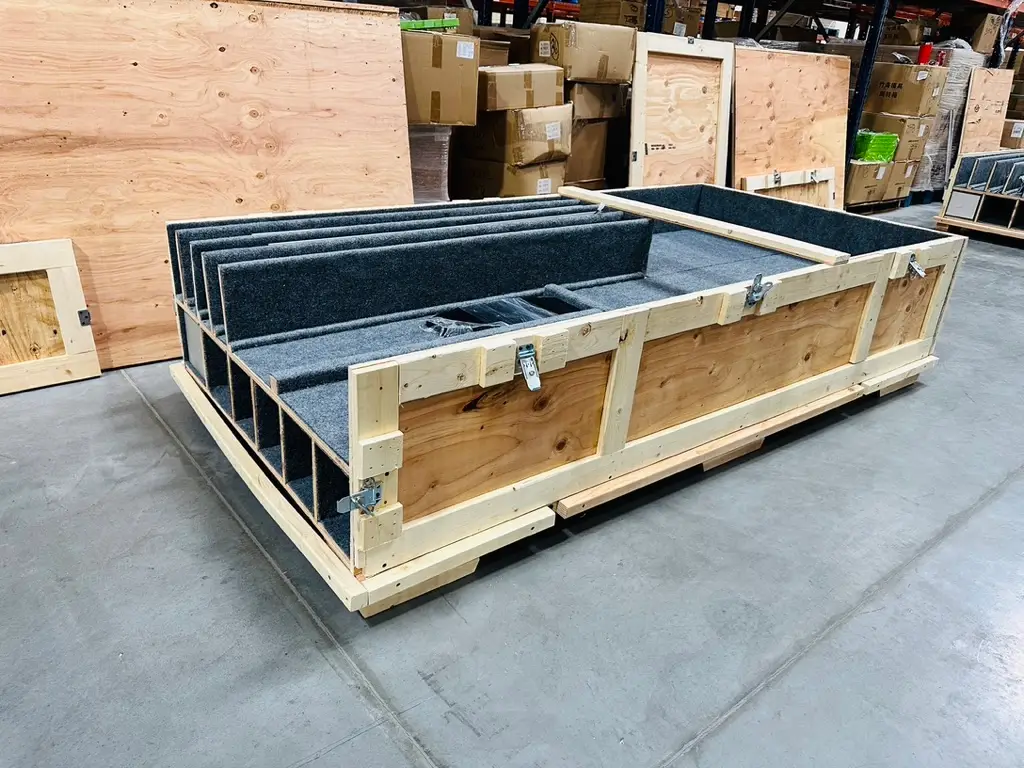
The base and frame must support the actual load, while blocking and bracing restrain movement through suitable structural points. Cushioning should be selected for the supported weight and fragility. A material described as high-density or heavy-duty is not enough to establish suitability.
Moisture barriers, protective wraps, and other materials may be needed for particular exposures. They should be compatible with the equipment and designed as a system. An ordinary wooden enclosure does not maintain controlled temperature or humidity.
Match Industry-Specific Requirements
Aerospace components, healthcare equipment, production machinery, and trade show displays have different preparation and receiving needs. Use the manufacturer's requirements and the shipment contract to identify any cleanliness, static protection, inspection, or test documentation needed. Avoid assuming that one industry's standards apply to every large item.
Best Practices for Shipping Large Items
Complete a Cargo Assessment
Provide verified dimensions and weight, photographs, center-of-gravity information where known, approved lifting and support points, and restrictions on orientation. Identify fragile projections, moving assemblies, removable parts, and areas that must not carry packing pressure.
The assessment should also describe the transport modes, transfer points, storage periods, and equipment available at origin and destination. These details guide the crate materials, internal supports, protective layers, and opening method.
Separate Internal Restraint from Vehicle Securement
Bolted attachments, blocking, braces, cradles, or restraints may be used where the equipment and package design permit them. Qualified personnel should specify how forces pass through the load and crate; straps should not simply be tightened over vulnerable covers or components.
Securing the equipment inside the crate does not secure the crate on a trailer or inside a container. The carrier needs an appropriate vehicle-securement plan under the applicable FMCSA cargo-securement rules for U.S. road transport.
Plan Shock and Environmental Protection
Selected foam, elastomeric supports, or isolation systems can help manage shock and vibration. Their performance depends on the load and design, so avoid treating additional padding as a substitute for assessment.
For moisture-sensitive equipment, discuss barrier materials, compatible corrosion protection, and desiccants as appropriate. If environmental limits require controlled transport or storage, confirm those arrangements separately. Heat treatment of wood for export addresses phytosanitary requirements and does not make a crate waterproof or climate-controlled.
Confirm Export and Transport Requirements
Check the destination's wood-packaging requirements before the crate is built. The USDA APHIS export guidance explains compliant sourcing and marking. Packing lists, cargo documents, and any product-specific approvals are separate responsibilities to coordinate with the freight team.
For road transport, ask the carrier to review the completed vehicle and load against the relevant size, weight, and route rules. Nevada's over-dimensional permit guidance is the appropriate local starting point; other jurisdictions along the route may have different requirements.
Work with a Crating Provider in Las Vegas
A useful proposal explains the base, enclosure, supports, protective materials, and handling provisions for the actual cargo. If specialist calculations or testing are needed, agree on that scope and obtain the relevant documentation. Custom fabrication alone does not establish compliance with every packaging-performance standard.
On-site crating can be worth discussing for equipment that is difficult to move before packing. Confirm the work area, site access, lifting arrangements, staffing, and scheduling with the provider. The equipment may still need qualified disconnection or rigging before crating can begin.
Coordinate the finished package with the carrier before committing to a container or vehicle. Efficient dimensions may help the transport plan, but smaller packaging should not compromise protection or safe access. Clarify which provider handles freight booking, permits, loading, and destination services.
Recognize the Main Oversized-Freight Risks
Structural Instability and Handling Damage
An unsuitable base or poorly positioned support can create concentrated loads, deflection, or instability during lifting. Design the package for the intended handling method, mark the approved lifting or fork-entry locations, and communicate any restrictions.
Hidden Damage from Vibration or Impact
Sensitive assemblies may be damaged without an obvious mark on the outside of the crate. Follow manufacturer preparation instructions, document the initial condition, and arrange inspection or functional checks at destination where appropriate.
Moisture, Corrosion, and Contamination
Ocean freight, long storage, and climate changes may expose equipment to moisture or contaminants. Select the protective system for the route and anticipated duration rather than assuming the crate shell provides complete protection.
Regulatory or Documentation Problems
Missing or unsuitable wood-packaging marks, incorrect paperwork, and unresolved transport requirements can interrupt a shipment. A pre-shipment review helps identify issues while there is still time to address them; it cannot guarantee that authorities will waive inspection or release the cargo on a particular schedule.
Improve Handling Consistency and Control Costs
Clear labeling, repeatable packing layouts, suitable fork access, and organized documentation help different teams handle the shipment consistently. For recurring loads, a reusable design may simplify preparation if the crate remains in good condition and the cargo requirements have not changed.
Review the total scope, including crate weight, freight dimensions, handling services, storage, and unpacking. The aim is to avoid foreseeable damage and rework. Lower insurance premiums, fewer claims, and faster delivery should not be promised without shipment-specific evidence and agreed service terms.
Record packing photographs and lessons from receiving inspections. Those details can guide improvements to future shipments and help distinguish a packaging problem from a handling or equipment-preparation issue.
PLAN YOUR CRATING
Request Large Item Crating in Las Vegas
Crates of Las Vegas can discuss custom crates for oversized machinery and industrial goods. Provide dimensions, weight, photographs, the route, access details, and your intended schedule so the packing requirements can be assessed.
Contact Crates of Las Vegas to discuss your large-item shipment and request a tailored quote.
Request a large item crate quoteMORE CRATING GUIDES