


LAS VEGAS · PIANO SHIPPING
How to Ship a Piano in Las Vegas
Shipping a piano requires careful planning because the instrument is both heavy and delicate. Grand pianos in resorts, uprights in homes, and instruments used at music venues all need protection suited to their construction, condition, and route.
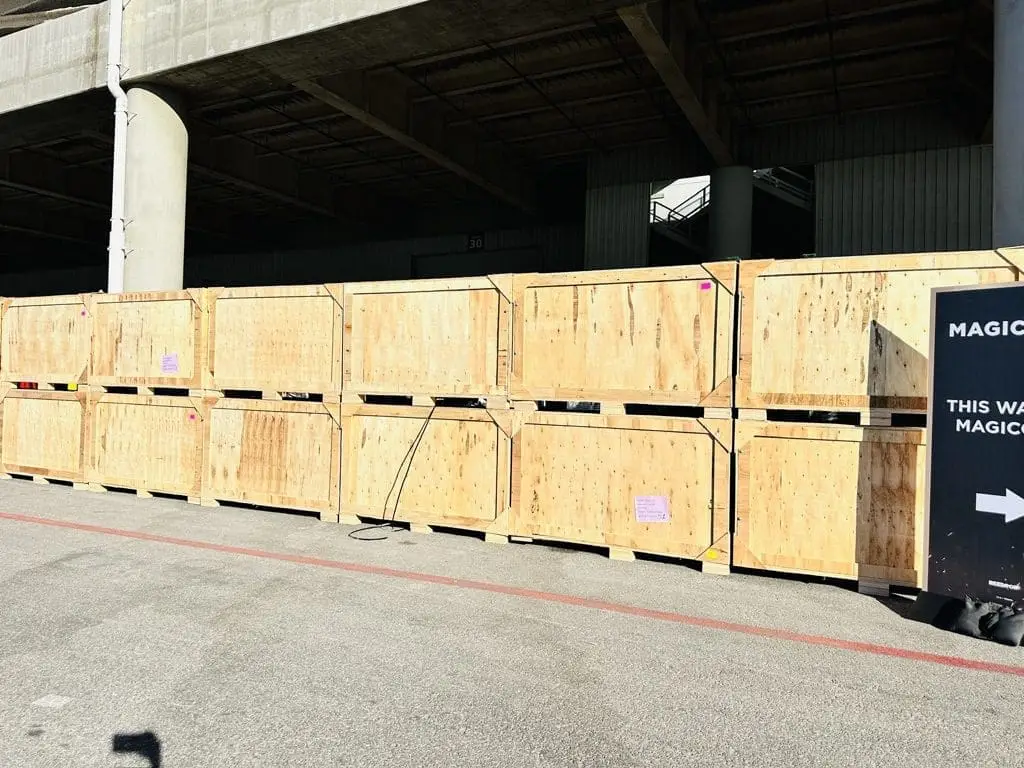
In Las Vegas, outdoor loading, heat, and changes in humidity add to the handling challenges. A custom crate can provide useful protection for freight shipping, but the complete plan also needs experienced piano movers, suitable transport, and clear receiving arrangements.
Understand the Type and Size of the Piano
Before shipping begins, identify the piano type, make and model, dimensions, and verified weight. Uprights, baby grands, and concert grands require different handling and packaging methods. Note any existing damage, loose parts, fragile finishes, and accessories, and take condition photographs before packing.
The crating team needs more than the instrument's outside dimensions. Share the manufacturer's moving instructions, approved support points, and any restrictions on orientation. A qualified piano mover should determine whether parts need to be removed and how they will be protected and reassembled. Avoid treating the legs, pedals, or decorative casework as lifting points.
Measure the route at both ends, including doorways, stairs, elevators, loading areas, and tight turns. The packed dimensions and total weight, including the base and crate, determine whether the proposed equipment and access route are suitable.
Choose Protection for the Shipping Route
A local move handled by specialist piano movers may use a piano board, protective blankets, and an appropriate vehicle. Longer freight routes, storage, repeated transfers, or export handling may call for a purpose-built crate. The right choice depends on the actual trip and the mover's assessment.
Custom wooden crates can provide structural protection against handling contact and help keep the supported instrument stable. The base, internal bracing, and cushioning should suit the piano's weight distribution and approved contact points. Soft, compatible materials help protect finishes; poorly placed supports can create damaging pressure even inside a strong crate.
Agree on how the crate will open at the destination and who will unpack it. If the crate will be reused, retain its packing instructions and fitted supports so the next crew can reproduce the intended arrangement.
Protect the Piano from Heat and Dry Conditions
Piano components respond to their environment. Yamaha's piano-care guidance explains that humidity changes and sudden temperature changes can affect wooden, felt, and metal parts. Follow the requirements for the particular instrument rather than assuming one packing method suits every piano.
An ordinary wooden crate does not maintain a controlled temperature or humidity. Weather-resistant covering may limit rain or dust exposure, but it cannot replace suitable storage and transport conditions. Discuss climate-controlled service when the route, season, or instrument warrants it, and minimize time waiting in direct sun or exposed loading areas.
Have the piano specialist choose any wrapping or moisture-management system. Ventilation, sealed barriers, and desiccants serve different purposes; adding them without a coordinated plan can create unsuitable conditions. After delivery, ask a piano technician about inspection, acclimation, and tuning based on the instrument and its new environment.
Plan Proper Handling and Transportation
Even a well-designed crate cannot compensate for improper lifting. Experienced crews should select piano dollies, skids, lifting equipment, and vehicle access appropriate to the load. If a crate is designed for forklift handling, its base and fork-entry locations must be clearly identified, and the receiving crew must have equipment suitable for its packed weight and dimensions.
Confirm the loading and unloading plan before pickup. Include parking access, stairs, liftgate suitability where relevant, delivery appointments, and the location where the instrument will be unpacked. Clear instructions reduce last-minute handling changes and unnecessary transfers.
Inspect the crate and piano on arrival, document any concerns, and follow the carrier's reporting procedure. Keep the packing materials until the shipment's condition has been checked.
Choose a Piano Crating and Shipping Partner
Ask prospective providers about experience with your piano type, packing responsibilities, transportation arrangements, and delivery access. Confirm which services are included and whether separate piano-moving or technical support is needed.
For an international shipment, establish the destination's wood-packaging and import requirements before the crate is built. Review the written quote, transit arrangements, and available shipment coverage; packaging alone does not determine coverage or guarantee a claim outcome.
PLAN YOUR CRATING
Request a Piano Crating Quote
Crates of Las Vegas can discuss a custom wooden crate for your piano shipment. Send the piano type, dimensions, weight if known, photographs, origin and destination, access details, and desired shipping date so the packing requirements can be assessed.
Contact Crates of Las Vegas to discuss the crate and coordinate the next steps with your piano-moving team.
Request a piano crate quoteMORE CRATING GUIDES



