
LAS VEGAS · CRATING GUIDE
Custom Crates for Medical Devices in Las Vegas: Planning the Move
Medical-device transport begins with the device's requirements. A diagnostic unit, a packaged surgical instrument and an implantable product do not share one packing method simply because they are used in healthcare.
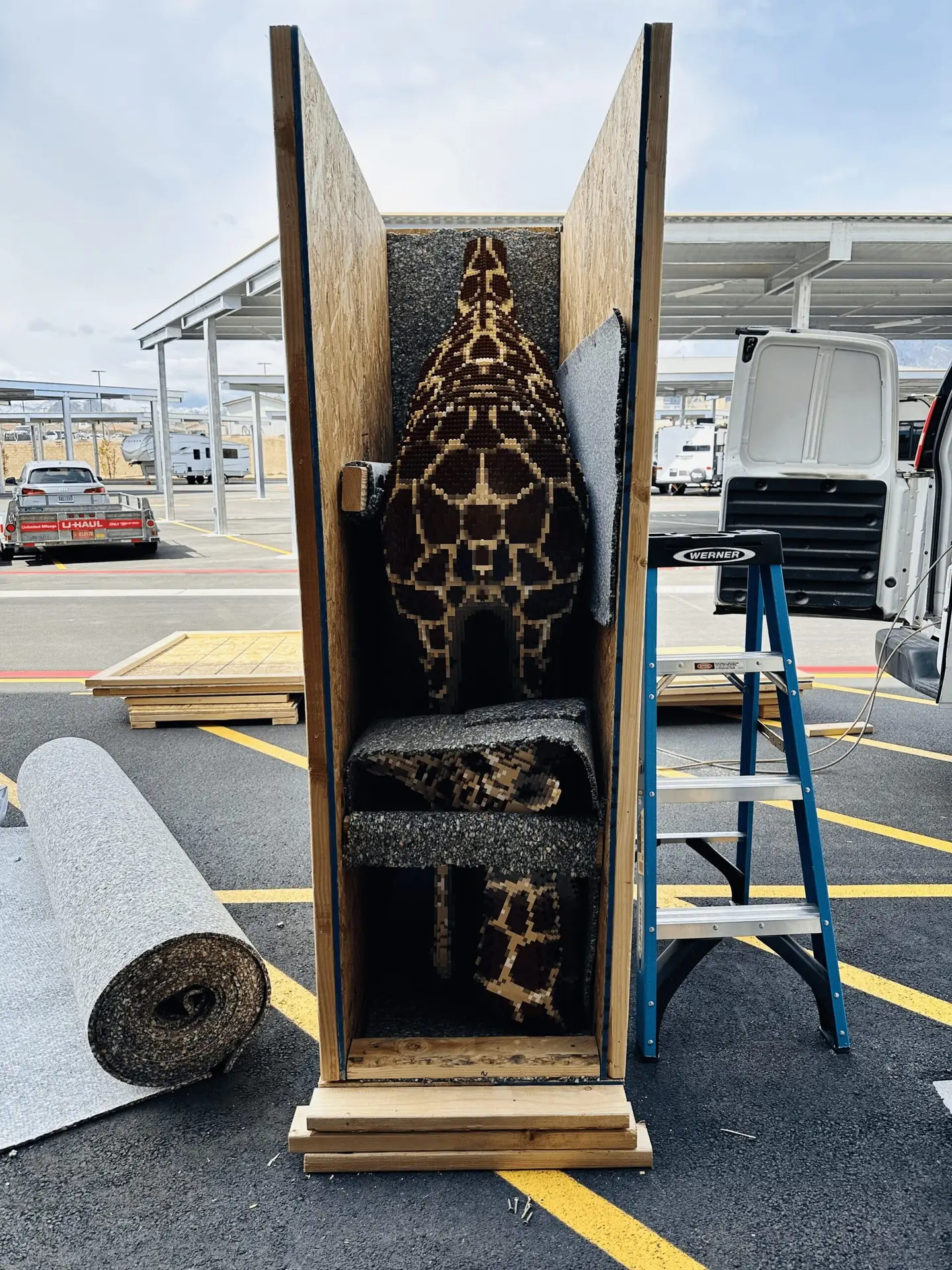
Custom crating can be part of the freight-protection plan for appropriate equipment. The proposal should explain that role clearly and leave sterilization, product-package validation and clinical release with the responsible specialists.
Get the transport instructions before the crate design
Obtain the manufacturer's requirements for shutdown, deinstallation, transport locks, orientation and environmental exposure. Determine whether an authorized technician must prepare the device or remove accessories before packing.
Provide dimensions and reliable weight in the actual shipping configuration. Include photographs of the base, projections and connection points, but do not infer safe restraint points from appearance alone.
Match the interior support to the equipment
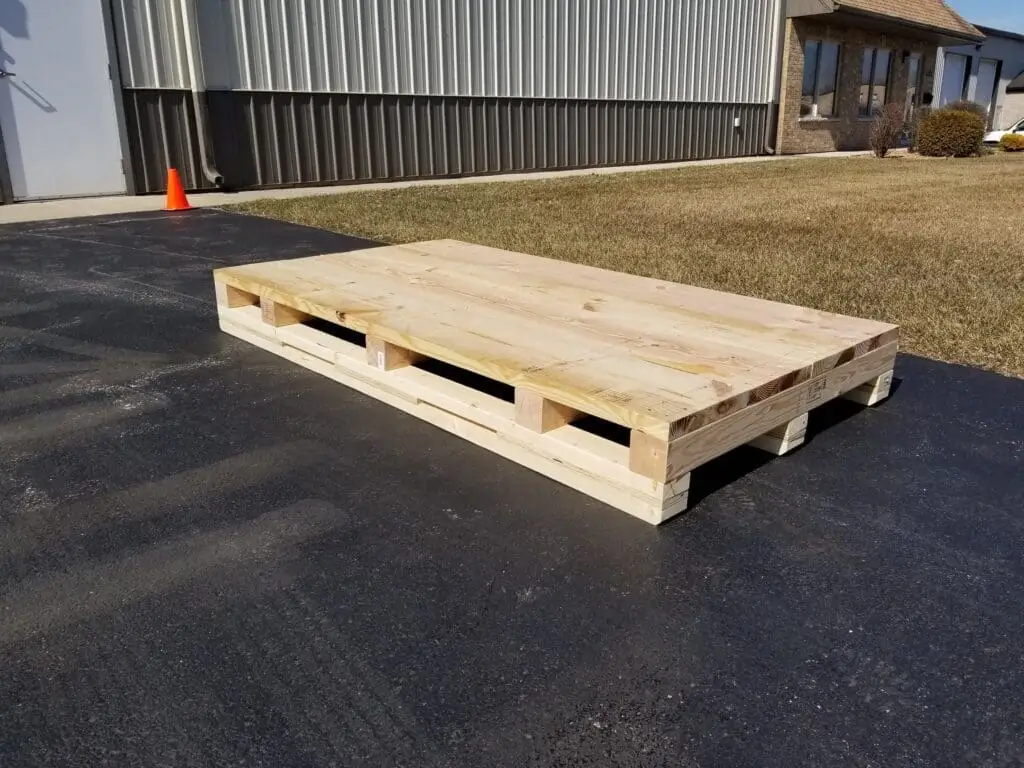
Ask how the crate carries the load, where supports touch the device and how the packing limits unwanted movement. Sensitive housings, controls and displays may need clearance rather than tight packing against them.
Foam and cushioning should be selected for the intended role and load. A strong outer shell does not establish vibration isolation or a tested shock rating. Request the specification or evaluation needed for the particular device.
Separate protection from medical compliance
Identify which packaging layers must remain intact and who is permitted to open them. An outer wooden crate does not make an instrument sterile, maintain a validated sterile barrier by itself or establish that the device is ready for patient use.
For equipment with temperature or humidity limits, obtain a defined transport plan. Confirm any qualified packing system, monitoring arrangement and review procedure rather than assuming insulation and a logger will control conditions.
Choose a service with a verifiable scope
- Relevant work: ask whether the provider has handled comparable equipment and requirements.
- Materials: request a clear description of the enclosure, supports and protective interfaces.
- Documentation: identify any project-specific checks or records that are needed.
- Scheduling: confirm the available packing date and carrier pickup independently.
- Responsibilities: distinguish crating, transport, technical preparation and installation.
Ask for evidence when a particular certification or tested performance is required. A general claim of medical expertise should not be treated as a regulatory approval or a guarantee of every service listed in an inquiry.
Plan arrival before collection
- Confirm the receiving location, access and unloading equipment.
- Share a package inventory and controlled opening instructions.
- Identify who inspects the shipment and records discrepancies.
- Arrange any manufacturer-required installation, calibration or commissioning.
- Keep the device out of clinical service until the responsible team completes its release process.
A local provider can make communication easier, but an urgent healthcare need does not establish production or delivery availability. Agree on achievable dates before committing to the move.
PLAN YOUR CRATING
Prepare a medical-device crating inquiry
Discuss medical-equipment crating with Crates of Las Vegas using the device specifications and manufacturer instructions. Include the destination and receiving plan so the quote can identify the physical protection being provided.
Discuss your crating projectMORE CRATING GUIDES