

LAS VEGAS · CRATING GUIDE
When Custom Wooden Crates Make Sense for Secure Shipping
Custom wooden crates can be useful when a shipment needs a defined support system, a rigid enclosure or handling access that a standard package cannot provide. Their suitability depends on the item and journey, not simply on choosing wood over another material.
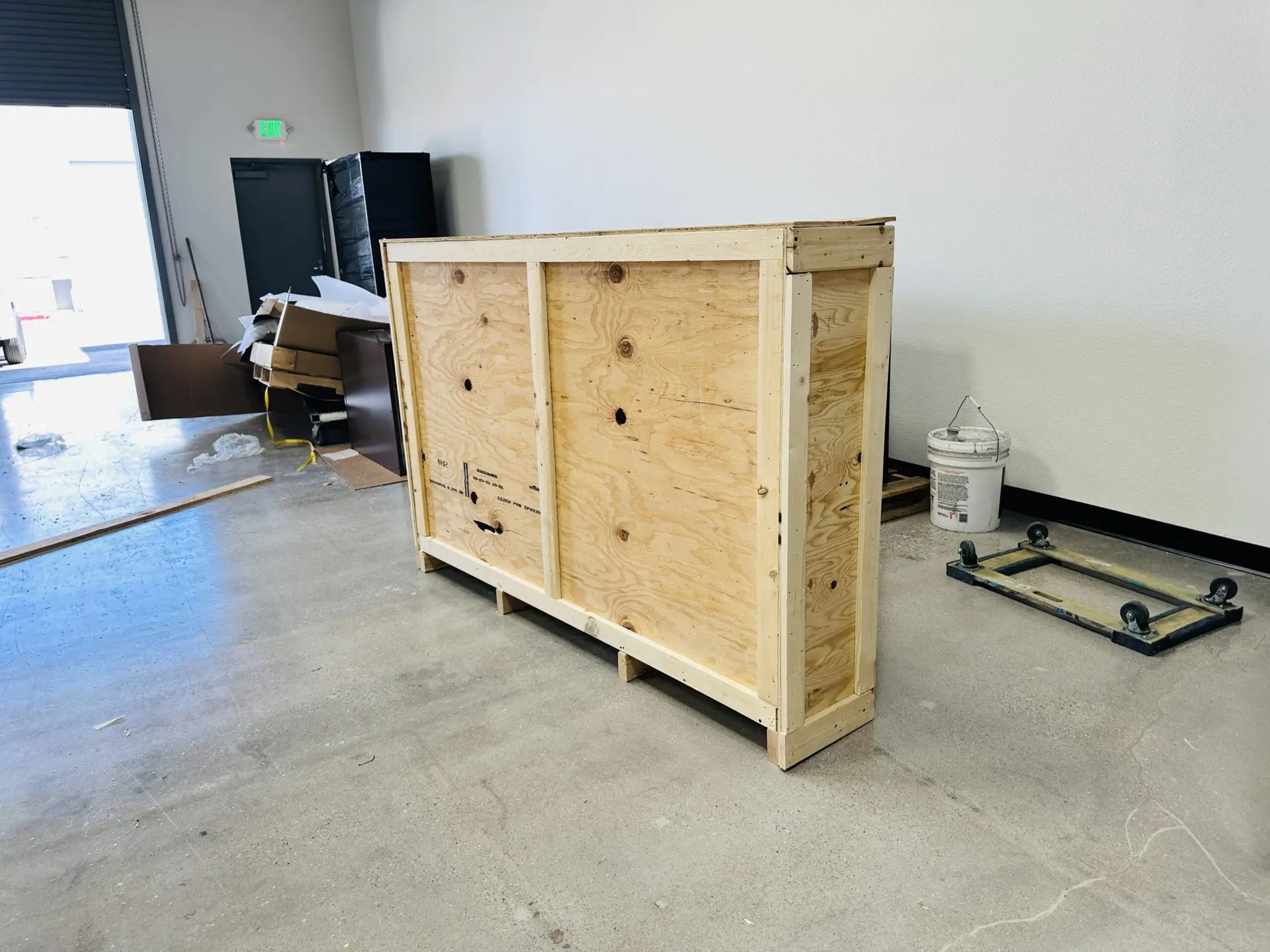
For fragile artwork, electronics and machinery, begin with the risks the package must address. Then compare how the proposed structure, interior packing and transport arrangements work together.
Match strength to the load and handling
Provide the cargo's weight, dimensions and approved support points. Explain how the finished crate will be lifted and whether it will pass through multiple freight terminals or storage locations.
Ask the builder to identify any handling and stacking limitations. Reinforced walls or a flat top do not establish that another load may be placed on the crate. Structural protection also does not replace the cushioning required by a fragile item.
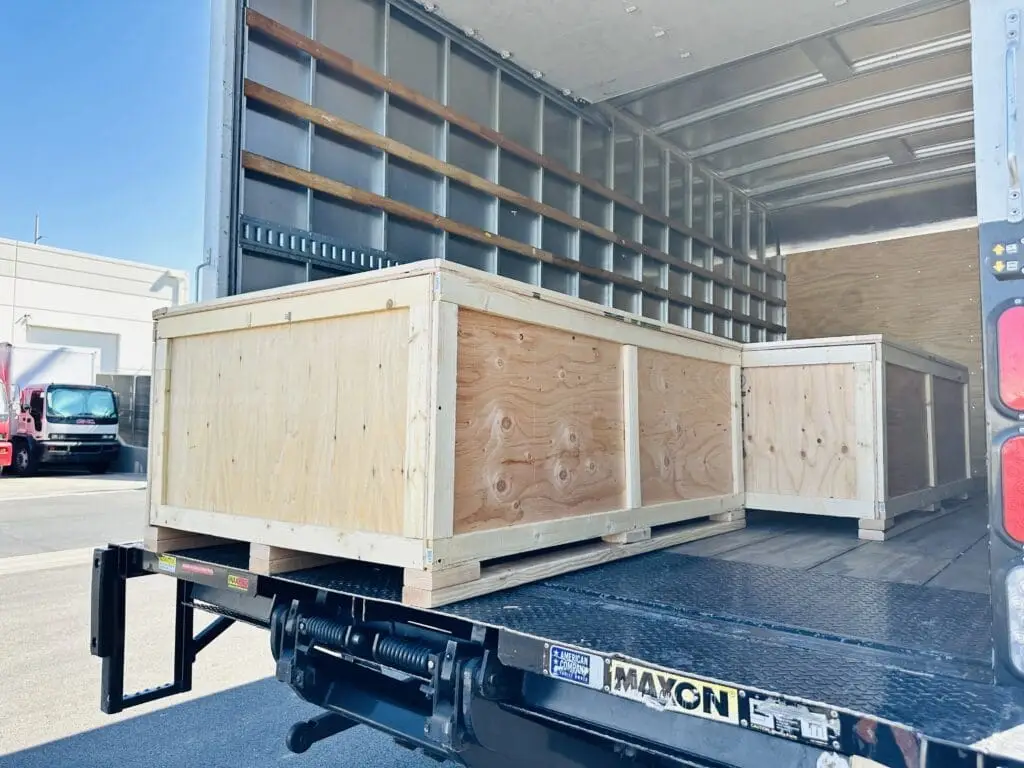
Customize the interior for the actual contents
A crate's useful fit includes its supports, cushioning, dividers and removal clearance. The interior should prevent damaging contact while keeping pressure away from vulnerable surfaces.
Small valuables may be better served by another suitable package, while large equipment may need a substantial base. Evaluate the complete solution instead of assuming custom wood construction is necessary for every size of shipment.
- Identify delicate finishes, projections and detachable parts.
- Separate heavy accessories from sensitive components.
- Retain manufacturer packing instructions where available.
- Provide an opening sequence and inventory for the receiver.
Specify environmental protection explicitly
Dust, liquid water, humidity and temperature changes are different hazards. Describe the item's sensitivities and likely exposure so the provider can assess the relevant protection.
Wood is not a waterproof barrier. The USDA Forest Products Laboratory's wood-moisture guidance explains that wood takes up and releases moisture with its surroundings. Appropriate liners or barriers may be needed, and their design should suit the item and route.
Insulation does not prevent all temperature change or provide active climate control. Sensitive goods may need a controlled transport or storage service in addition to the enclosure.
Compare cost with the value of the protection
Include design, construction, packing labor and freight in the comparison. Finished external dimensions and gross weight matter to the transport quote, and specialized unloading can add practical requirements at delivery.
Consider the consequences of damage or downtime without assuming a crate eliminates them. Insurance, carrier terms and any product testing should be reviewed separately where relevant.
Plan a realistic second life
If the crate will be reused, choose access and closures with that intention in mind. Keep the packing diagram and inspect structural members, fasteners and supports between trips.
Return transport, storage and repairs affect repeat-use value. A crate built for one item may need reassessment before carrying another, even when the new load fits inside.
PLAN YOUR CRATING
Discuss the right enclosure for your shipment
Contact Crates of Las Vegas about custom crate design with photographs, dimensions, weight and route information. Explain the protection problem you need solved so the proposal can be assessed against it.
Discuss your crating projectMORE CRATING GUIDES




