

LAS VEGAS · CRATING GUIDE
Custom Wood Crates for Las Vegas Events and Valuable Cargo
Custom wood crates can help Las Vegas businesses plan for equipment, exhibits and artwork that do not fit an off-the-shelf package. Their value comes from matching the crate to the item, the handling route and the work required at the destination.
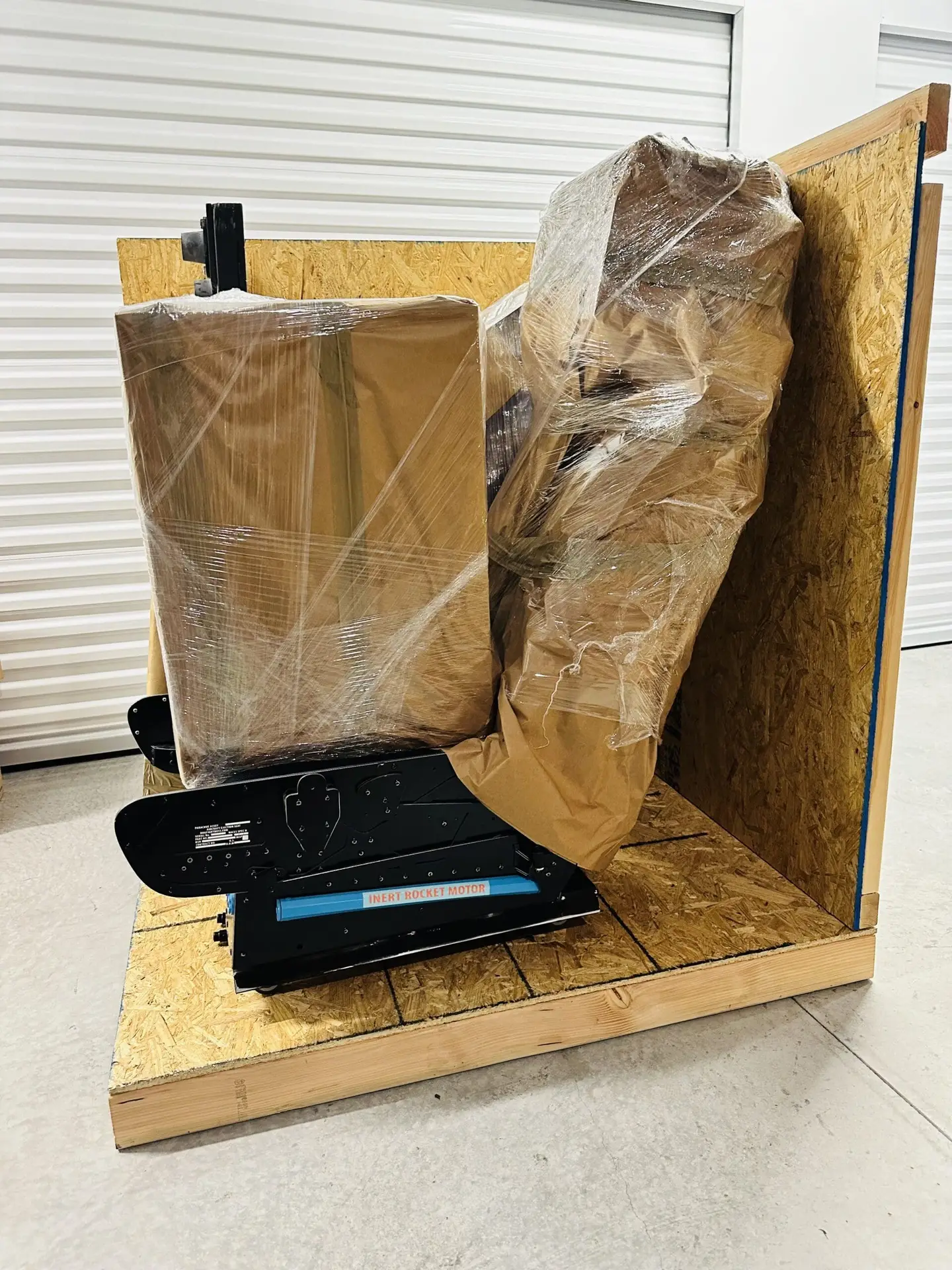
For an event team, that may mean access to the first component needed during setup. For an art shipment, it may mean protecting a delicate finish. The right brief makes those priorities explicit before appearance or optional features are chosen.
Define what a custom fit must accomplish
A useful specification covers more than length, width and height. Include the weight, permitted shipping orientation, vulnerable components and the locations where the item may be supported. If several pieces will share a crate, describe how each will be identified and removed.
Ask to review the proposed opening method as well as the internal layout. The people receiving the shipment may not have the same tools, space or product knowledge as the packing team. A clear drawing or packing sequence can make the handover easier to follow.
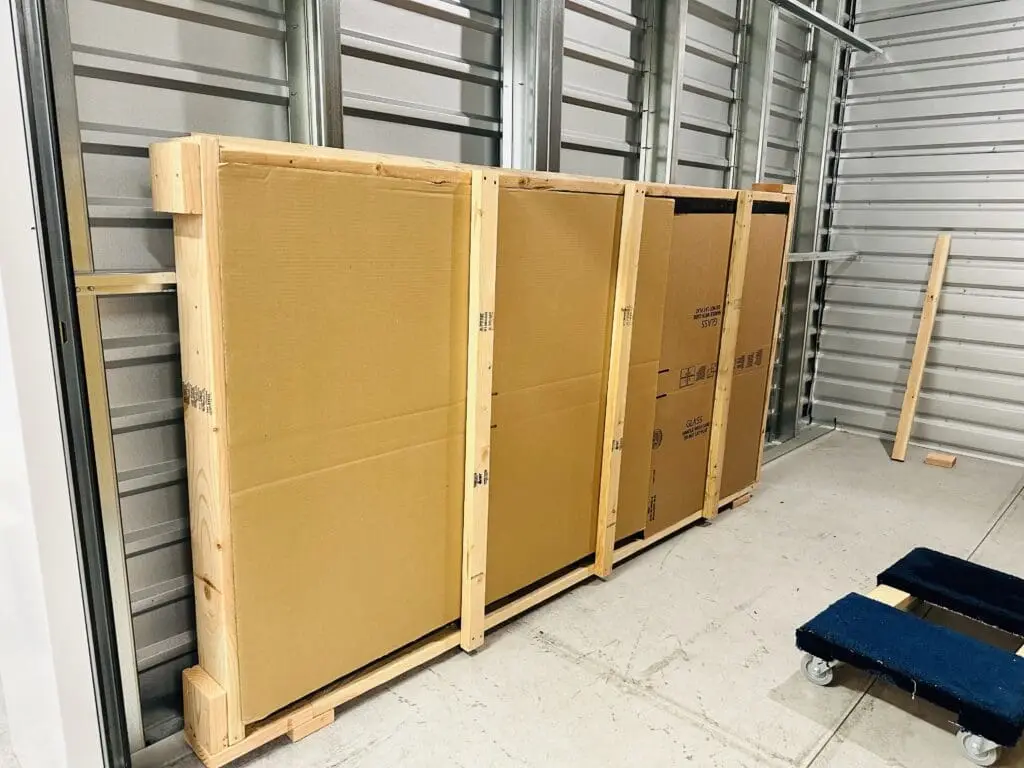
Set priorities for each industry
Entertainment and production equipment
Inventory the equipment and accessories together. Identify protruding controls, lenses, connectors or decorative pieces that need individual attention. Tell the builder if the package must support repeated collection, setup and return cycles.
Trade shows and exhibitions
List the booth components in installation order and identify anything that must be available immediately on arrival. Check the organizer's instructions for receiving, labels, empty-container storage and outbound collection. A crate design cannot resolve a missing booking or an incorrect delivery label.
Fine art and hospitality installations
Provide dimensions and photographs of both the object and the access route. Confirm any specialist handling requirements with the owner or conservator. For a hotel installation, clarify who is responsible for unloading and moving the item from the receiving area to its final location.
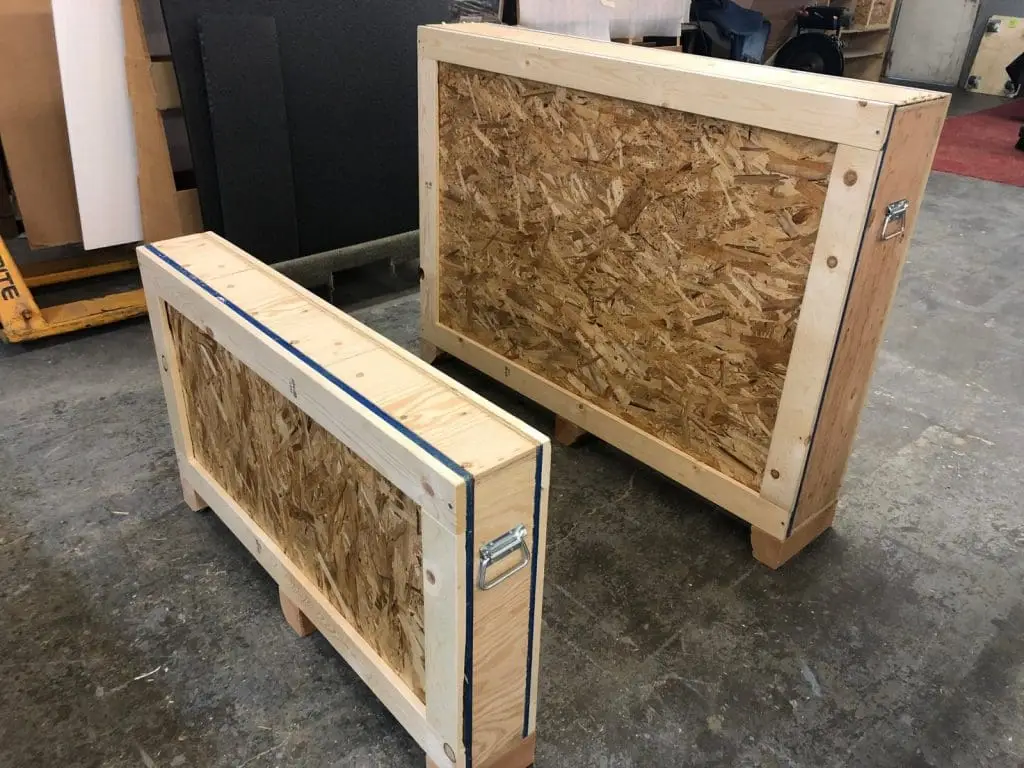
Use appearance where it serves a purpose
A clear crate identity can help a crew distinguish similar shipments. Ask about suitable markings or branding, their placement and whether they will remain legible through handling. Keep shipping labels, opening instructions and any required treatment marks visible.
If a crate is intended to remain on display, state that explicitly. Surface finish, exposed hardware and public access then become part of the brief. Do not assume a freight crate is approved as seating, a platform or another load-bearing event fixture.
Check protection without relying on superlatives
Ask how the design addresses the particular risks of the shipment. FedEx's freight guide identifies crates as an option for fragile, valuable, heavy or irregular cargo. Suitability still depends on the specific package and carrier requirements.
- Confirm the finished packed dimensions and total weight.
- Review the permitted lifting and handling method with the carrier.
- Record the object's condition before closing the crate.
- Include clear unpacking and repacking instructions where needed.
- Agree who will inspect the crate and contents after delivery.
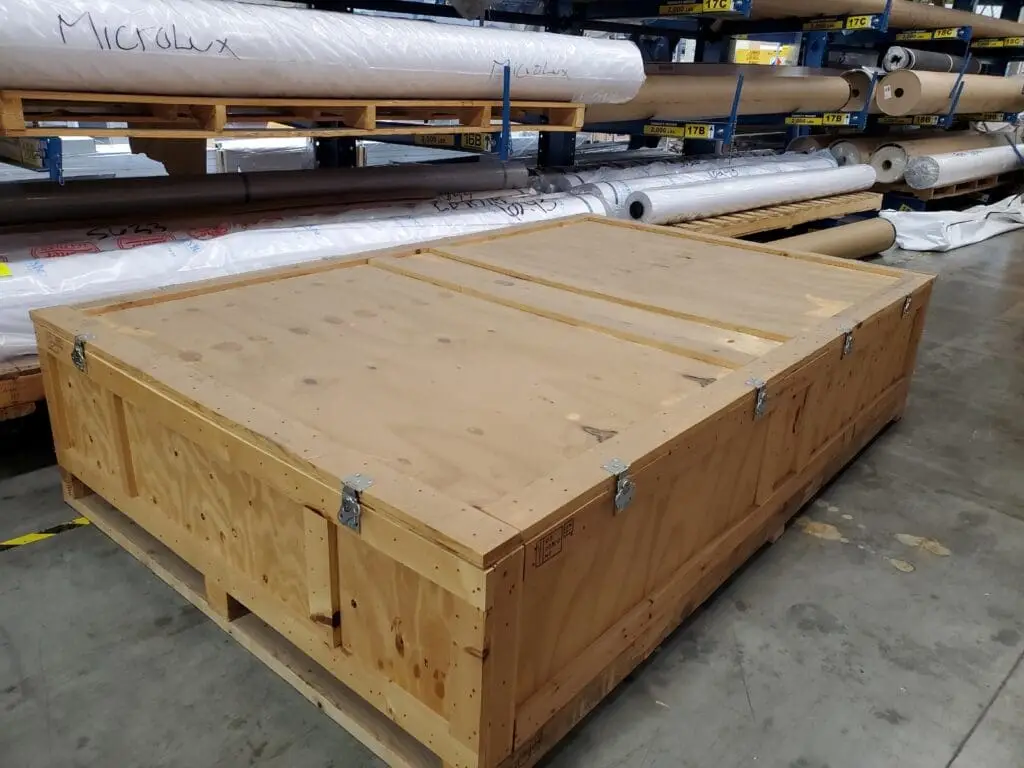
Plan the return as carefully as the outbound trip
A touring exhibition or recurring event needs a return-packing plan. Label removable pieces, keep fasteners organized and photograph the completed packing arrangement. Before reuse, have damaged panels or closures assessed rather than covering them with fresh labels.
Compare the complete project scope when evaluating a quote: crate construction, interior protection, packing labor, collection and transport may be separate items. Confirm each responsibility rather than assuming a custom crate price includes every service.
PLAN YOUR CRATING
Request a crate review for your event or shipment
Share the cargo list, venue or destination, required arrival date and planned return journey with Crates of Las Vegas. Include the organizer's handling instructions when available so the proposed crate can be considered alongside the event's actual logistics.
Discuss your crate projectMORE CRATING GUIDES




