

LAS VEGAS · CRATING GUIDE
Custom Wood Crates in Las Vegas: Protection and Presentation
Custom wood crates are useful when the shipment needs more than a standard container can provide. For Las Vegas businesses and individuals, that may mean supporting a heavy item, protecting delicate surfaces or organizing equipment that will be unpacked at an event.

The right design starts with practical requirements. Appearance can be part of the brief, but the crate also needs to suit the load, carrier and receiving location.
Define the job before choosing the finish
Describe what you are shipping, why it needs a crate and where it is going. Record dimensions, weight and photographs, including any parts that project beyond the main body. Supply handling instructions from the manufacturer or item specialist.
If the crate will be visible in a showroom or presentation, share reference images and identify the surfaces that matter. Ask what finish or labeling options are available rather than assuming that specialty decoration is included.
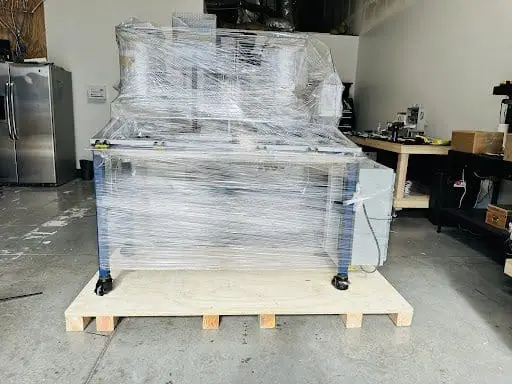
Make transport and handling part of the design
A crate must support the item through each handoff. Discuss how it will be loaded, how the carrier will move it and what equipment the recipient has. The base and lifting access should match that plan.
- Confirm the packed dimensions and gross weight before booking freight.
- Check doorways, loading areas and any restricted access at both ends.
- Identify the opening panel and the sequence for removing supports.
- Keep fragile projections clear of load-bearing contact.
- Agree whether stacking is permitted; do not infer it from the enclosure's appearance.
These decisions help turn a custom build into a usable shipping system. A crate does not guarantee that handling will be gentle or that a shipment will arrive without delay.
Tailor features to different contents
Artwork, industrial equipment and event displays need different internal arrangements. A shaped support may suit an irregular object, while a compartmented interior can organize loose accessories. The choice should follow the item's vulnerabilities and the planned unpacking process.
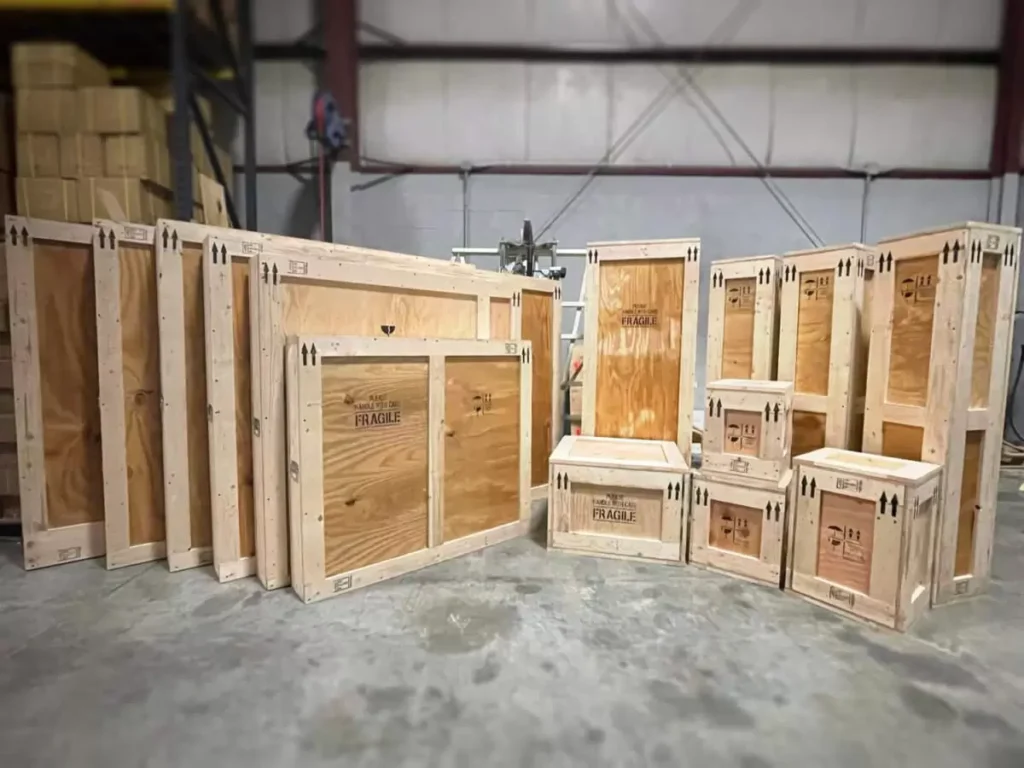
For repeat-use equipment, ask how panels and packing components will be identified. For a one-way shipment, consider whether the recipient can remove and dispose of the packing without specialized tools or a complicated disassembly process.
Plan the role of the crate at an event
An exhibit crate may be opened by a different team from the one that packed it. Put a component list and repacking diagram where that team can find them. Separate the display's assembly instructions from the crate's opening instructions.
If the crate itself is intended as a display feature, say so before construction. Public display use needs its own stability and venue review. Shipping to an event also requires the organizer's delivery address, receiving dates and service instructions.
Assess reuse and material choices realistically
Discuss whether the crate will return, travel to another event or remain at the destination. Reuse works best when storage, inspection and return transport are planned. Ask for evidence of any sourcing or environmental claim important to the project.
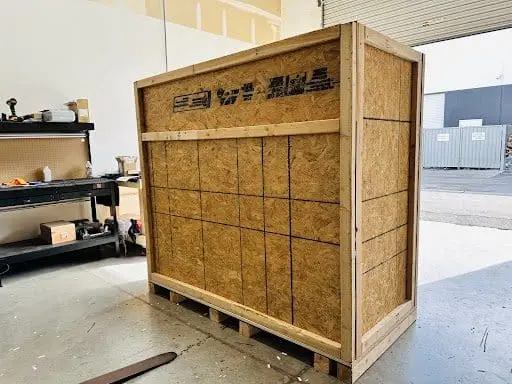
Do not assume a custom wood crate is automatically the lowest-impact or lowest-cost option. Compare the complete packing and transport plan, including materials that protect the item inside.
PLAN YOUR CRATING
Start a project-specific crating discussion
See custom-crate services in Las Vegas and contact the team with your item details, destination and deadline. Include presentation or repeat-use goals so the proposal addresses both handling and the way the crate will be used.
Discuss your crating projectMORE CRATING GUIDES




