
LAS VEGAS · CRATING GUIDE
Custom Wood Crates for Shipping Display and Repeat Use
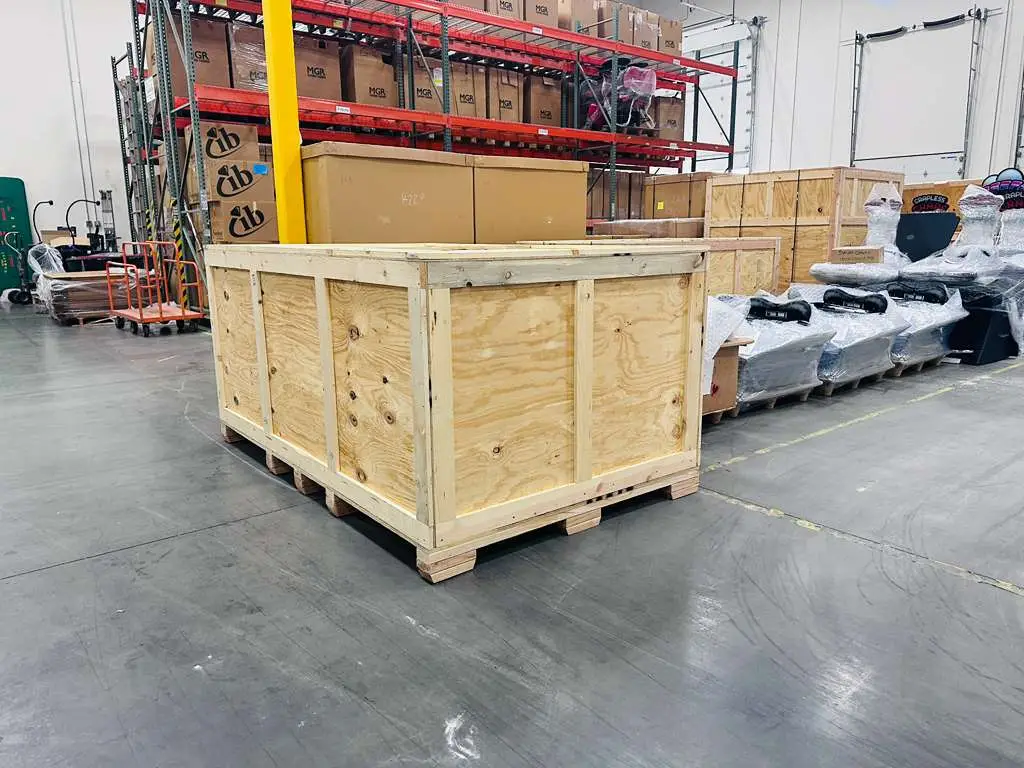
A wood crate may be asked to do several jobs over its working life: carry a product, organize event components and hold them between uses. Those jobs are easiest to plan when they are described before the crate is built.
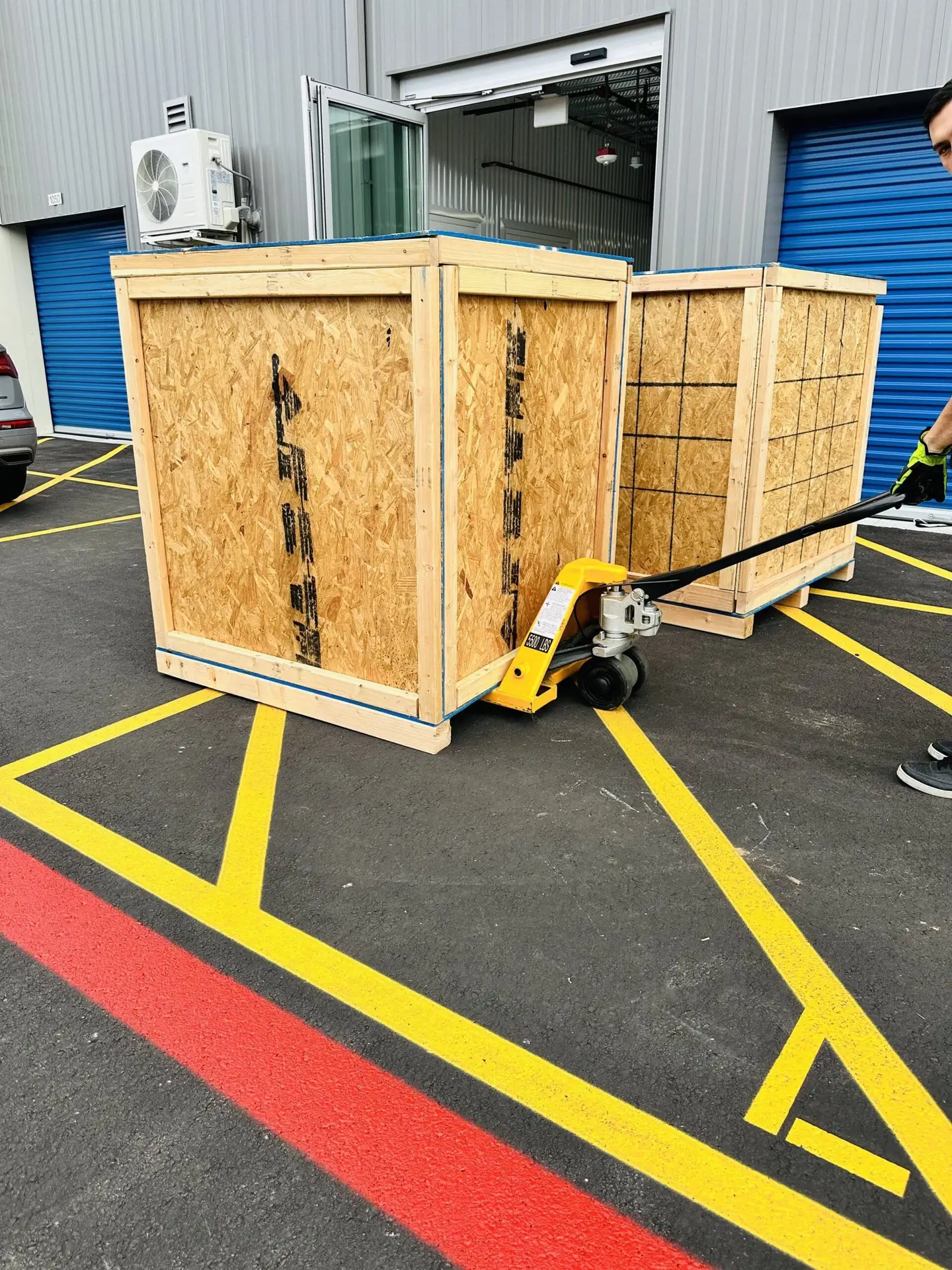
For Las Vegas businesses, a useful custom-crate brief connects protection with the way a team actually works. Shipping performance, presentation and reuse should each have a clear place in that brief.
Begin with protection and accurate measurements
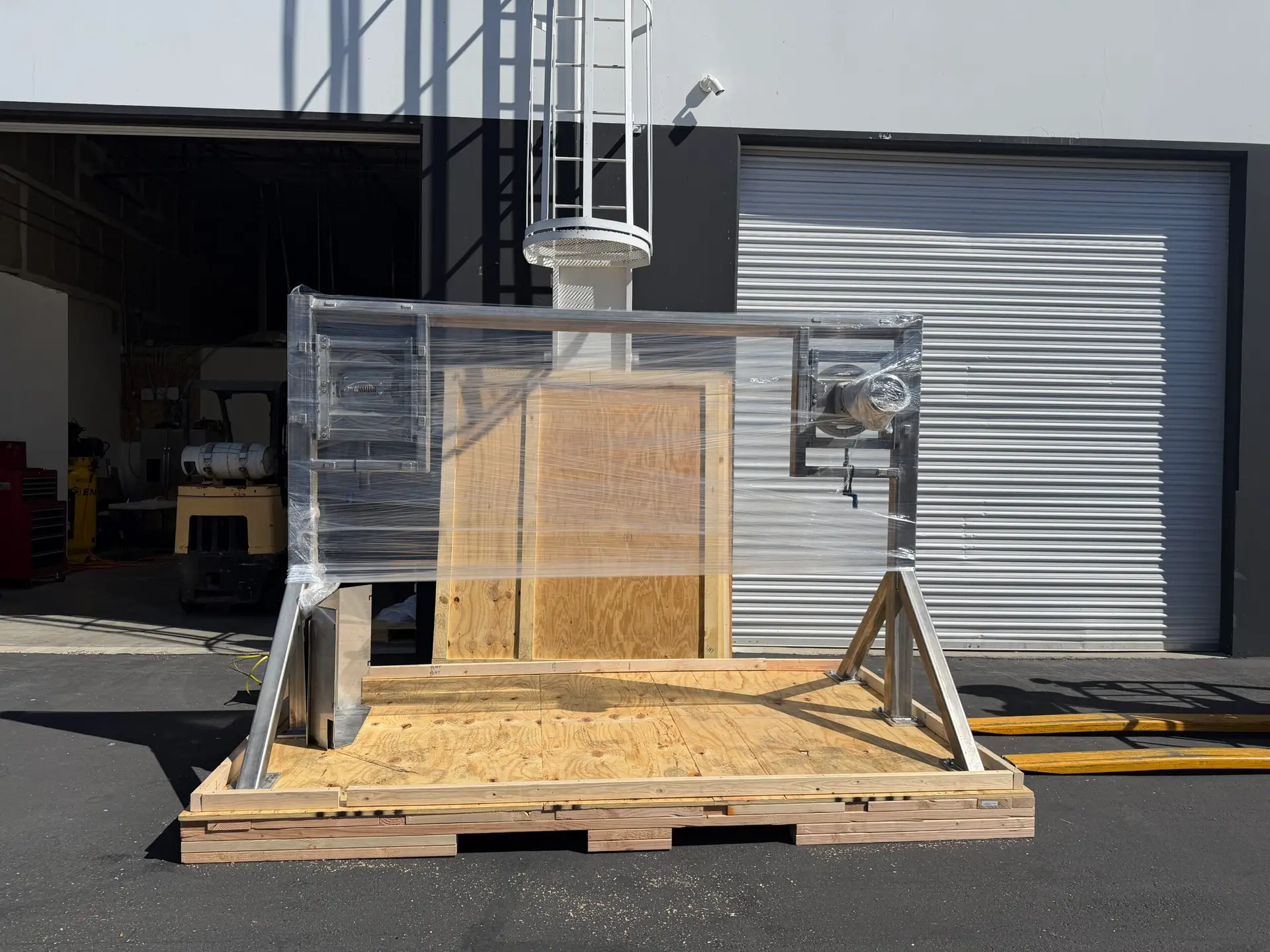
Provide the dimensions and weight of the full shipping configuration. Explain which surfaces can accept support and which parts are delicate or removable. Include any instructions from the manufacturer or owner, especially when the item has restrictions on lifting or orientation.
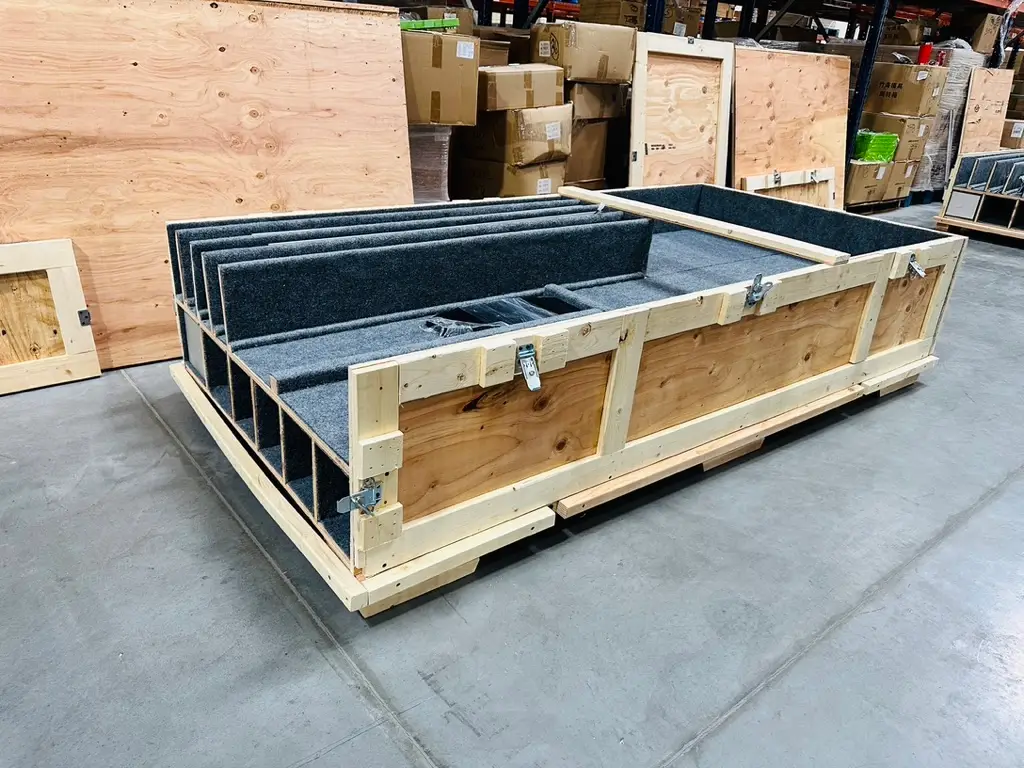
Discuss the base, enclosure and interior arrangement together. Ask the builder how each proposed feature relates to the cargo. The purpose of a custom fit is to address the specific item; it does not establish a universal load rating or guarantee that every handling risk has been removed.
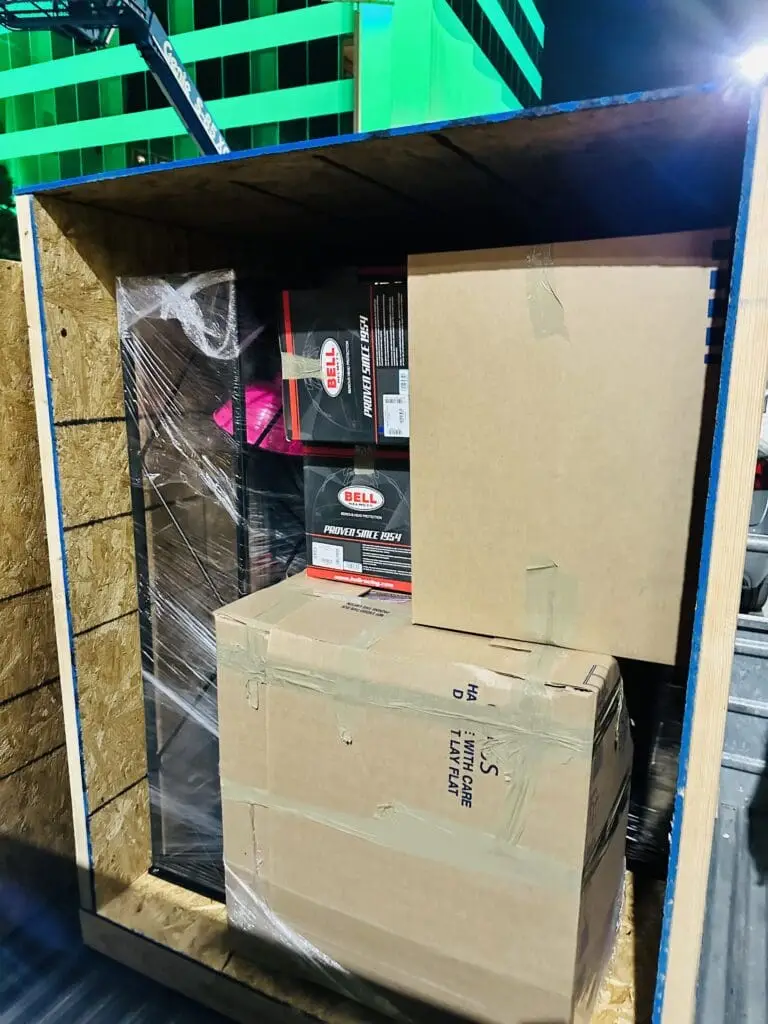
Connect the crate to your logistics plan
Describe the collection point, destination and expected handoffs. An exhibition display returned after an event may need a different opening sequence from equipment delivered once to a permanent installation. Include the access constraints and receiving arrangements at both ends.
For multiple components, decide whether they should travel together or in separately identified packages. Ask the carrier how the finished dimensions, weight and handling needs affect the service available. Do not compare options solely by the empty crate's size or purchase price.
Use branding without obscuring instructions
A consistent crate number or company identifier can help a team recognize its packages. If a decorative finish or logo is important, request it as an explicit option and confirm the final appearance before production. Avoid assuming every construction quote includes presentation work.
Keep space for destination labels, opening instructions and any required marks. Brand graphics should remain secondary to information needed to identify and handle the shipment. If several similar crates travel together, use a naming scheme that connects each one to the packing list.
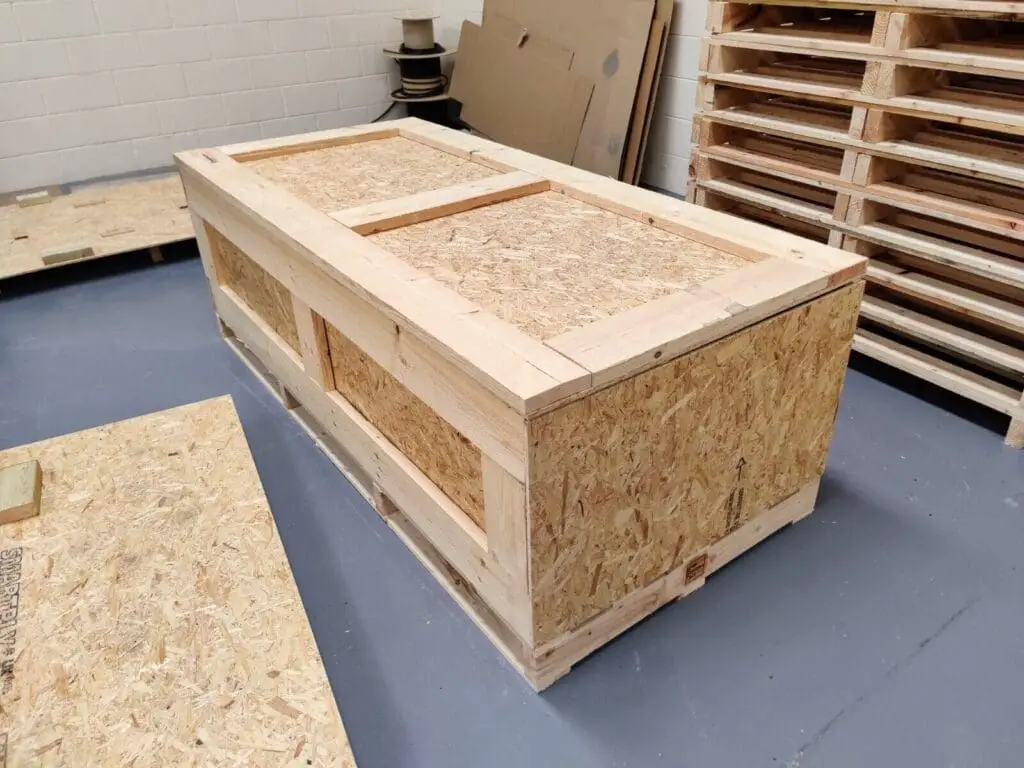
Plan the transition from exhibition to transport
A display's outward appearance is only one part of the event cycle. The team also needs a place for the empty packaging and a repeatable way to put every component back. Discuss those steps before deciding that the same crate will serve both shipping and presentation roles.
- List the parts needed for setup and decide their unpacking order.
- Identify where lids, supports and fasteners will be kept during the event.
- Prepare a packing reference showing each component's location.
- Assign responsibility for checking the crate before the return shipment.
- Confirm the outgoing booking and labels against the receiving address.
If the crate itself will be used as a fixture, ask for that use to be assessed separately. A transport container should not be assumed suitable for people to sit, stand or climb on.
Evaluate reuse with realistic expectations
Ask whether the closure, panels and interior components are appropriate for the planned number and type of trips. Inspect the crate after each journey and address damage before reuse. Keep a record of its intended contents and avoid substituting a different load without review.
Reuse can form part of a waste-reduction plan, but broad sustainability claims need evidence. Compare storage, repair and return requirements, and ask about actual material sourcing. At the end of service, check the receiving facility's recovery options for each component.
PLAN YOUR CRATING
Discuss a multipurpose crate
Tell Crates of Las Vegas what the crate must carry and how it will be used after arrival. Send photographs, measurements, weight and the event or delivery plan. Include branding and repeat-use requirements so they can be considered in the project scope.
Discuss your crate projectMORE CRATING GUIDES