

LAS VEGAS · CRATING GUIDE
Benefits of Shipping Crates and Packaging Services in Las Vegas
Professional crating is useful when the packing decision involves more than choosing a box size. Fragile finishes, awkward shapes, heavy components and multiple freight transfers can all require a more deliberate plan.
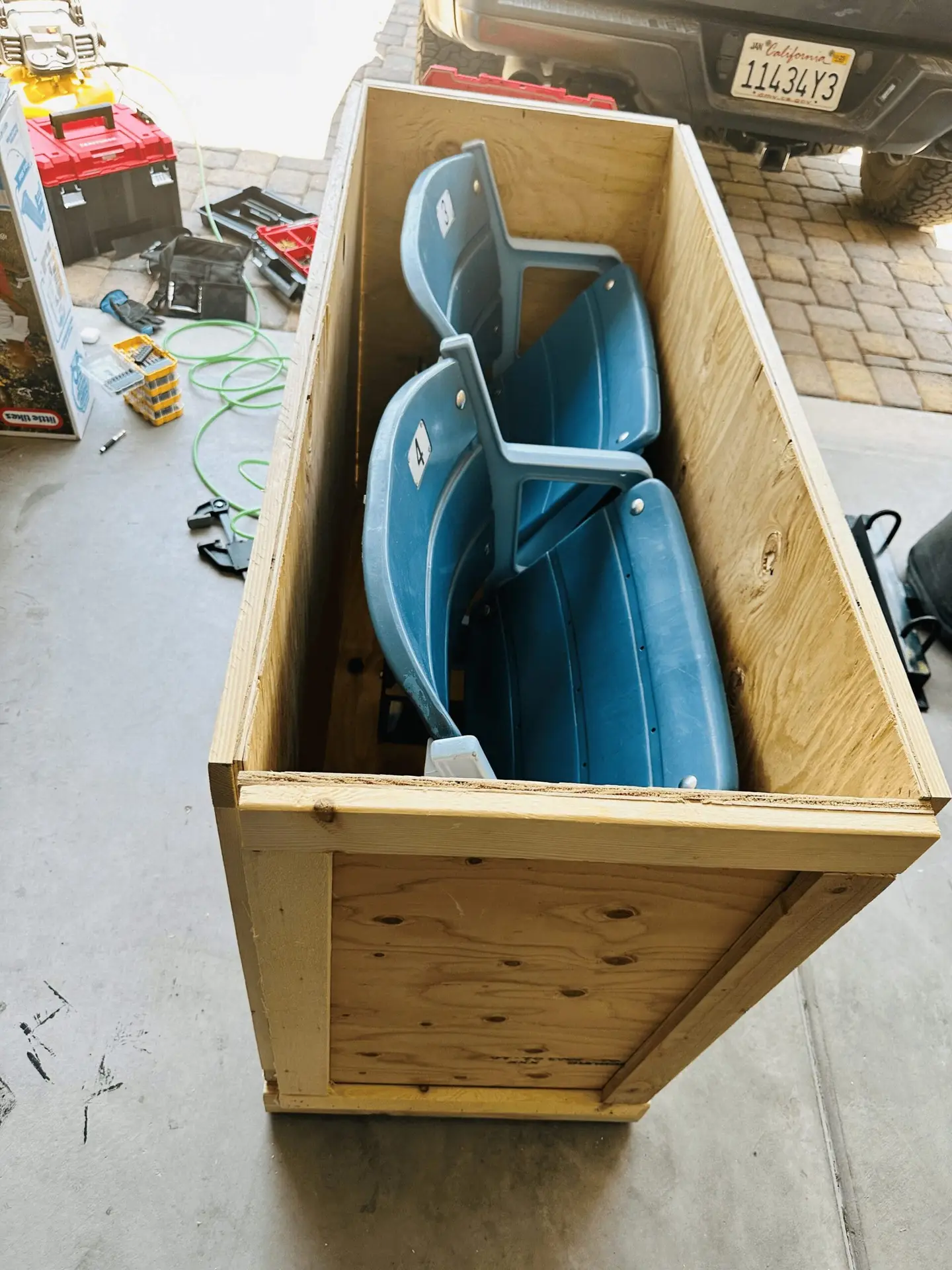
For Las Vegas businesses and individuals, the benefits come from matching that plan to the shipment. Protection, cost and logistics should be considered together, with the responsibilities of the crate builder, carrier and receiver clearly stated.
Protection designed around vulnerable areas
Artwork, electronics and antiques do not all tolerate the same contact materials or support positions. A custom packing assessment identifies where the item can safely carry load, where movement must be controlled and where clearance is needed.
Foam, padding and bracing have different jobs. Ask how each part of the proposal addresses the item rather than assuming that more padding or a heavier enclosure necessarily provides better protection.

A clearer view of total shipping cost
The crate price is only one part of the decision. Include packing labor, finished size and weight, freight, unloading requirements and any storage or return journey. Reducing unnecessary empty space can be useful, but the protective system still needs room to function.
For high-value items, damage and downtime are worth considering in the comparison. Avoid assigning a guaranteed savings figure without shipment-specific evidence. A custom crate may cost more to transport than an appropriate lighter package.
More deliberate export preparation
When the destination requires compliant regulated wood packaging, discuss treatment and marking before construction. APHIS provides guidance on obtaining ISPM 15-compliant packaging.
This addresses a wood-packaging requirement, not every rule governing the shipment. The exporter, carrier and broker still need to check cargo documents, destination restrictions and freight acceptance. A treatment mark does not guarantee release at the border.
Customization for unusual shipments
Oddly shaped machinery may need support under specific load-bearing points. A booth shipment may benefit from compartments that match the setup sequence. An artwork may need a travel support that keeps packing away from its surface.
Provide the dimensions, weight and transport configuration rather than asking for a generic heavy-duty crate. Discuss orientation, lifting access and any special environmental requirements as explicit parts of the brief.
Useful coordination at each handoff
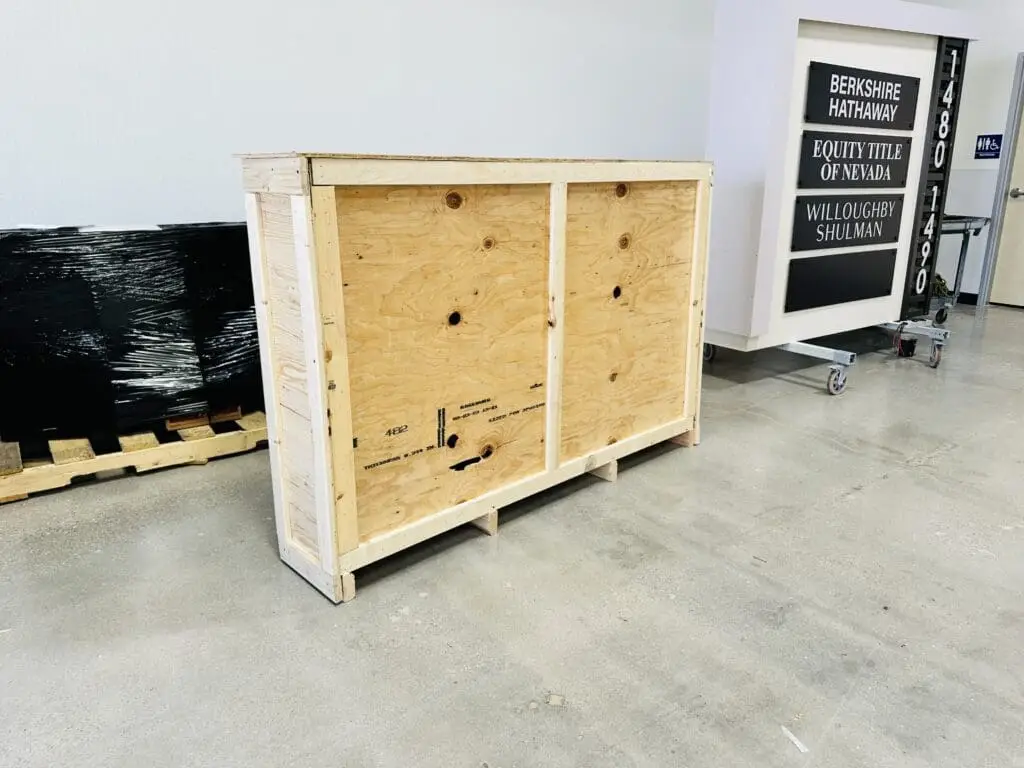
Professional packing can produce a clearer inventory, consistent labels and an opening plan for the receiving team. Confirm which logistics services are actually included and who answers questions once the carrier collects the shipment.
- Use the completed crate's external dimensions and gross weight for freight arrangements.
- Check pickup and delivery access, including unloading equipment.
- Share handling and opening instructions with the receiver.
- Keep photographs of the item and packed arrangement.
- Agree on how discrepancies or visible damage will be recorded.
Tracking and scheduled delivery depend on the booked transport service. They should not be assumed from the purchase of a crate alone.
PLAN YOUR CRATING
Compare crating proposals for your shipment
Ask Crates of Las Vegas about custom crate options using the same item details and route you provide to the carrier. A clear scope makes it easier to judge the protection, practical handling and overall cost.
Discuss your crating projectMORE CRATING GUIDES




