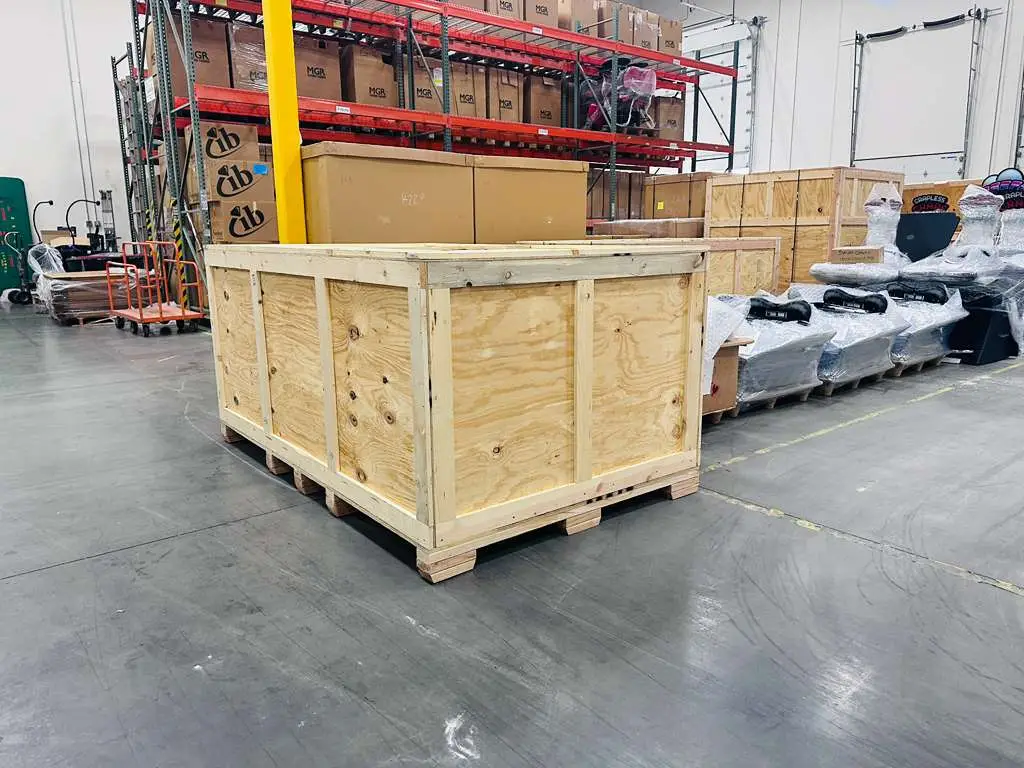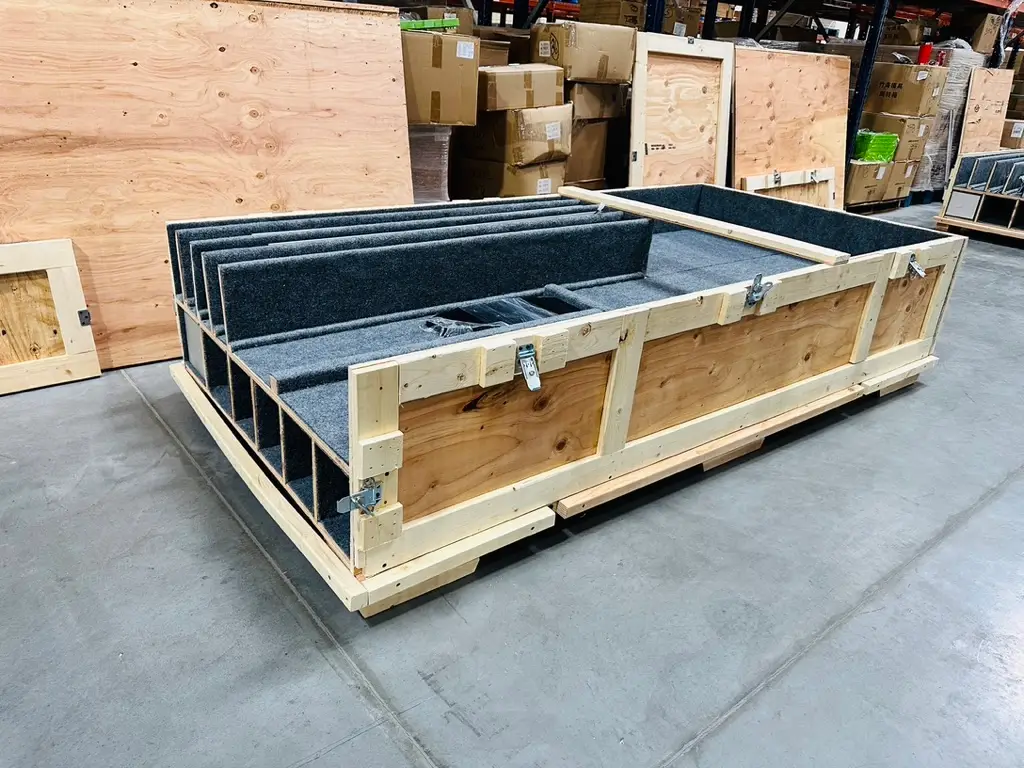

Exhibit organization
The Role of Custom Wooden Crates in Las Vegas Trade Shows and Exhibits
Exhibits often travel as a mixture of screens, lighting, framing, graphics, hardware and finished panels. Those components need to arrive organized as well as protected, especially when the setup and return-packing teams are different people.
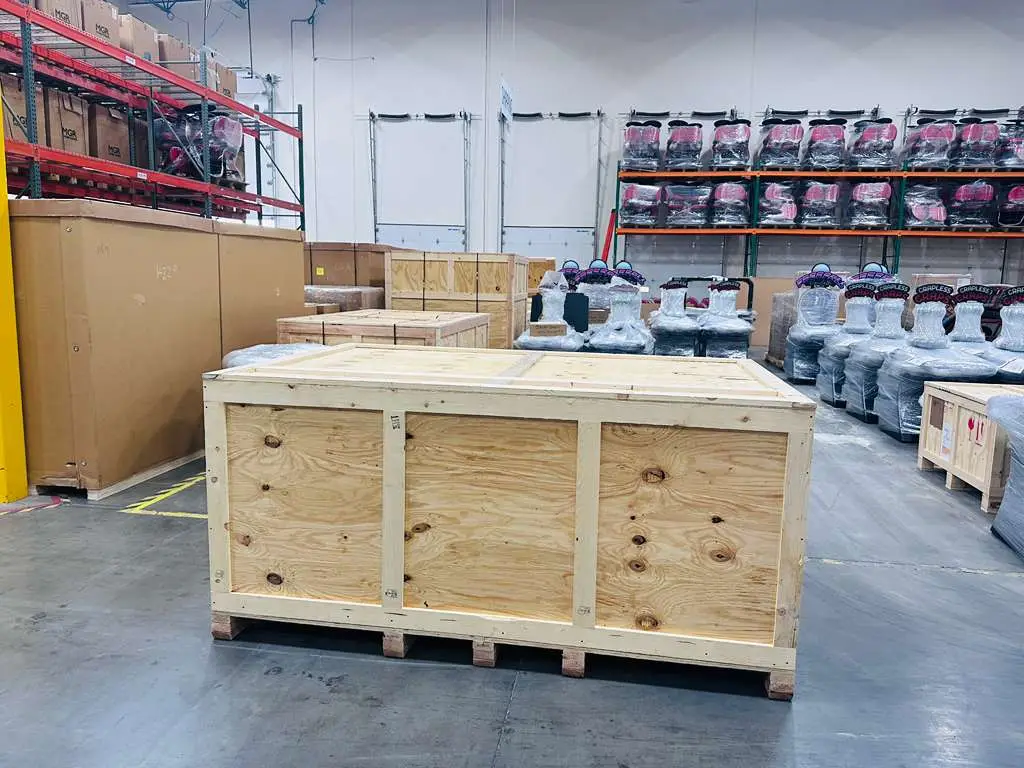
Custom wooden crates can give a Las Vegas exhibitor a repeatable way to store, identify and support those components during transport. Their value depends on the exhibit design, handling arrangements and expected number of events, rather than the crate alone.
Protecting High-Value Exhibit Materials
Start by listing the components and their vulnerabilities. A heavy frame should not bear against a screen, and a finished panel should not rub against loose hardware during transit.
The packing plan may include:
- Dedicated supports for large or irregular pieces
- Separate compartments for fragile components
- Surface-compatible cushioning and protective layers
- Reinforced bases for heavy items
- Identified storage for cables, fittings and tools
Fit should allow the intended cushioning and clearances. A crate made tightly around the display is not automatically protective if it transfers pressure to a weak surface.
Check any manufacturer instructions for screens, electronics or other equipment. Some components may need their original protective packaging or a specified transport orientation.
Making Setup and Teardown More Organized
The usefulness of an exhibit crate continues after it reaches the booth. Clear labels, accessible hardware and an understandable packing sequence help the team open it without damaging the contents.
When discussing the design, consider removable panels, suitable reusable closures and how staff will reach each component. These should be specified for the project; do not assume every crate includes quick-release latches or tool-free access.
Provide:
- An inventory linked to numbered crates or compartments
- Photographs or a diagram of the packed arrangement
- The opening and repacking sequence
- A labeled place for closure hardware
- Instructions for any component that needs special handling
Test the sequence before the first event where practical. Discovering that a packed item blocks access to another component at the venue can add avoidable work.
Planning for Transport, Exposure and Venue Access
A crate may encounter loading docks, staging areas and temporary storage between the truck and the booth. Identify likely exposure and confirm any temperature or moisture limits for the contents.
Ordinary wood construction does not make a package weatherproof or climate-controlled. If the display needs additional environmental protection, specify the packing and transport measures separately.
Check the event's current receiving, material-handling and access instructions. CES provides venue-specific exhibitor manuals; the relevant organizer's manual should guide every event shipment. Packaging does not override the contractor's dock, equipment or delivery-window rules.
For international trips, review the applicable wood treatment and marking requirements. ISPM-15 compliance is not a guarantee of uninterrupted transit or physical protection, and it does not apply to every domestic exhibit shipment.
Reusable Crates for Multi-Event Exhibitors
A repeated-use crate can provide a consistent home for an exhibit that travels regularly. Its value depends on how long the display remains unchanged, where empty crates are stored and what return transport costs.
Check the condition before each trip. Loose fasteners, damaged skids and compressed cushions can undermine the intended protection. If the exhibit changes, reassess the fit instead of forcing a new component into the old arrangement.
Compare ownership with any other available packaging option using actual quotes. Do not assume crate rental is offered or suitable for a custom exhibit; confirm availability, fit, charges and terms with the provider.
Reuse may reduce waste, but repairs, storage and freight also matter. Avoid treating wood treatment or the word “reusable” as an environmental certification.
Professional Presentation and Clear Identification
An orderly crate can make the shipment easier to identify and the setup area easier to manage. Consistent component labels and a clean packing layout are often more useful than decorative branding alone.
If colors, logos or custom labels are desired, include them in the scope and quote. Keep required shipping and handling information clear, and remove obsolete routing labels before the next event.
Consider discretion as well as appearance. Exterior markings should help the shipment reach the right place without unnecessarily advertising valuable contents.
Choosing a Provider and Confirming the Scope
Ask the crating provider to explain the proposed design and its experience with comparable loads. Review relevant examples and confirm who measures, packs, loads and coordinates collection.
For an international route, ask how the provider supplies appropriately treated and marked wood packaging. The APHIS export guide describes compliant sourcing. A general quality statement does not establish certification for every service or shipment.
Also confirm:
- Final packed dimensions and weight for freight quotes
- Lead time based on actual measurements and materials
- Empty-crate storage and return-packing arrangements
- Changes that would require a revised design or price
- Responsibility for show-specific documentation and outbound release
PLAN YOUR CRATING
Plan Crates Around Your Exhibit
Share the component list, photos, dimensions, weights and upcoming show instructions with Crates of Las Vegas. Discuss your exhibit crating plan so protection, setup access and repeat use can be considered together.
Discuss your shipmentMORE CRATING GUIDES