

Crates of Las Vegas Journal
Eco-Friendly Crating in Las Vegas: Questions Worth Asking
The term “eco-friendly” is most useful when it comes with specifics. A crate may use less material, remain in service longer or have components that can be recovered locally. Those are different attributes, and each needs to be considered alongside protection and transport requirements.
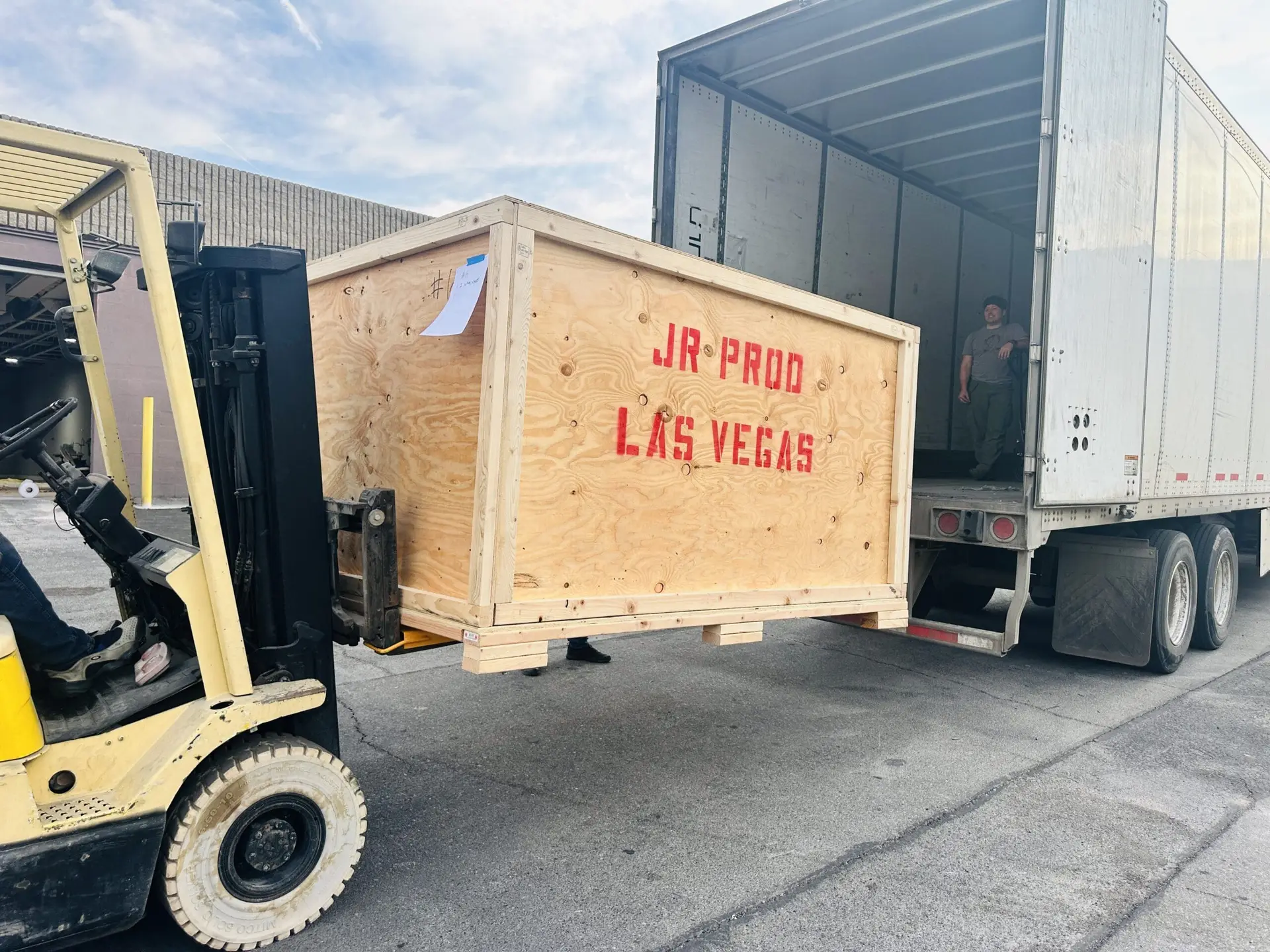
For a Las Vegas business, begin with the item and the shipping cycle. A practical lower-waste plan should explain what happens after delivery, not just how the crate is built.
Start with reduction and a defined purpose
Ask which parts of the packaging are necessary for support, surface protection, cushioning and handling. Remove avoidable layers only when the remaining design still meets the item’s needs.
The EPA’s waste-management hierarchy prioritizes reduction and reuse before recycling. That makes a useful framework for discussing packaging choices. It does not mean that the lightest crate or the fewest materials will suit every fragile or heavy shipment.
Make reuse realistic
A crate intended for repeated trips needs a recovery route, suitable storage and someone responsible for inspection. Discuss reusable closures and replaceable components where they fit the project.
For trade show displays or traveling artwork, retain the packing diagram and identify where removable parts belong. Inspect the crate before each trip and reassess it if the contents change. Reuse can reduce new packaging demand, but savings depend on the trips actually completed.
Ask for evidence behind material claims
If responsibly sourced wood or recycled content matters to the project, request documentation from the supplier. Avoid treating a vague “sustainable wood” statement as proof of a particular certification.
ISPM 15 treatment and marking concern plant-health risks in regulated international wood packaging. They do not certify responsible sourcing, recycled content or a low carbon footprint. Keep export compliance and environmental claims as separate questions in the specification.
Fit the approach to the business
A convention team may be able to recover crates after each show. A hospitality installation may be a one-way delivery with no convenient return route. A gallery may retain a fitted crate for the same artwork’s future movements.
Each situation changes the value of repairability, empty storage and return transport. Compare the options using the whole route, including the weight of the packaging and how much of it can realistically remain in use.
Confirm recovery and track outcomes
Wood, coatings, foam and metal hardware may follow different recovery paths. Ask the intended recycler which materials it accepts before describing the completed crate as recyclable. Do not assume the crate provider offers collection or recycling unless that service is confirmed.
A simple record can include:
- Trips completed by each crate
- Repairs and replacement materials
- Storage and return-transport arrangements
- Packaging avoided through actual reuse
- Materials accepted by a local recovery facility
These observations support more credible decisions than broad claims about a city-wide green-crating trend or automatic emissions savings.
PLAN YOUR CRATING
Discuss a lower-waste crate plan
Contact Crates of Las Vegas with the item details, route and expected reuse cycle. Explain which material attributes matter to you and ask the team to confirm the available options and any supporting documentation.
Discuss Your Crating ProjectMORE CRATING GUIDES




