
LAS VEGAS · CRATING GUIDE
Custom Wood Crates for Las Vegas Retail and Product Displays
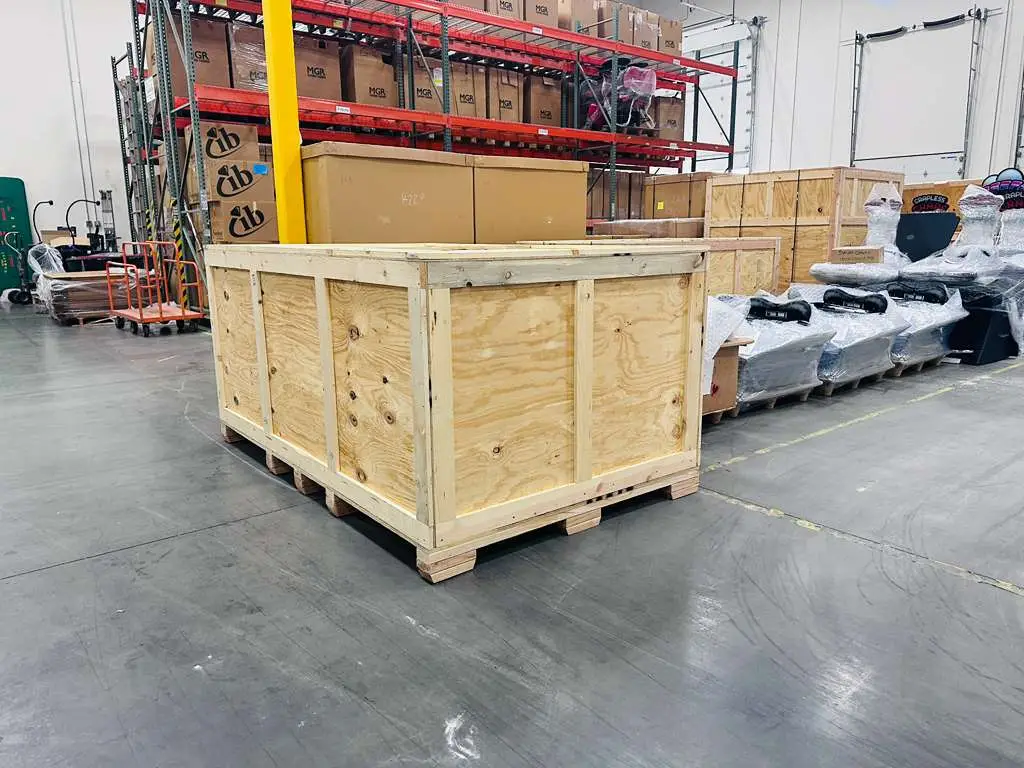
Wood crates can be part of a retail or event presentation when their dimensions, appearance and intended use are planned together. For a Las Vegas business, the useful question is how a crate supports the product and the setting rather than whether it automatically makes a brand look luxurious.
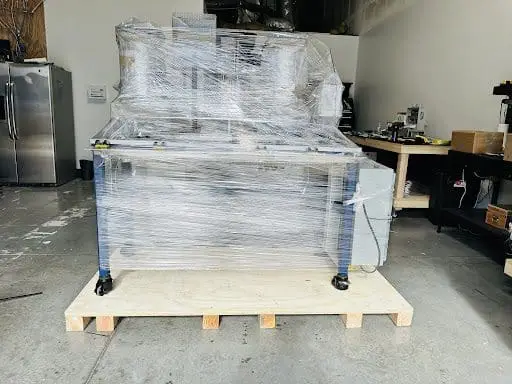
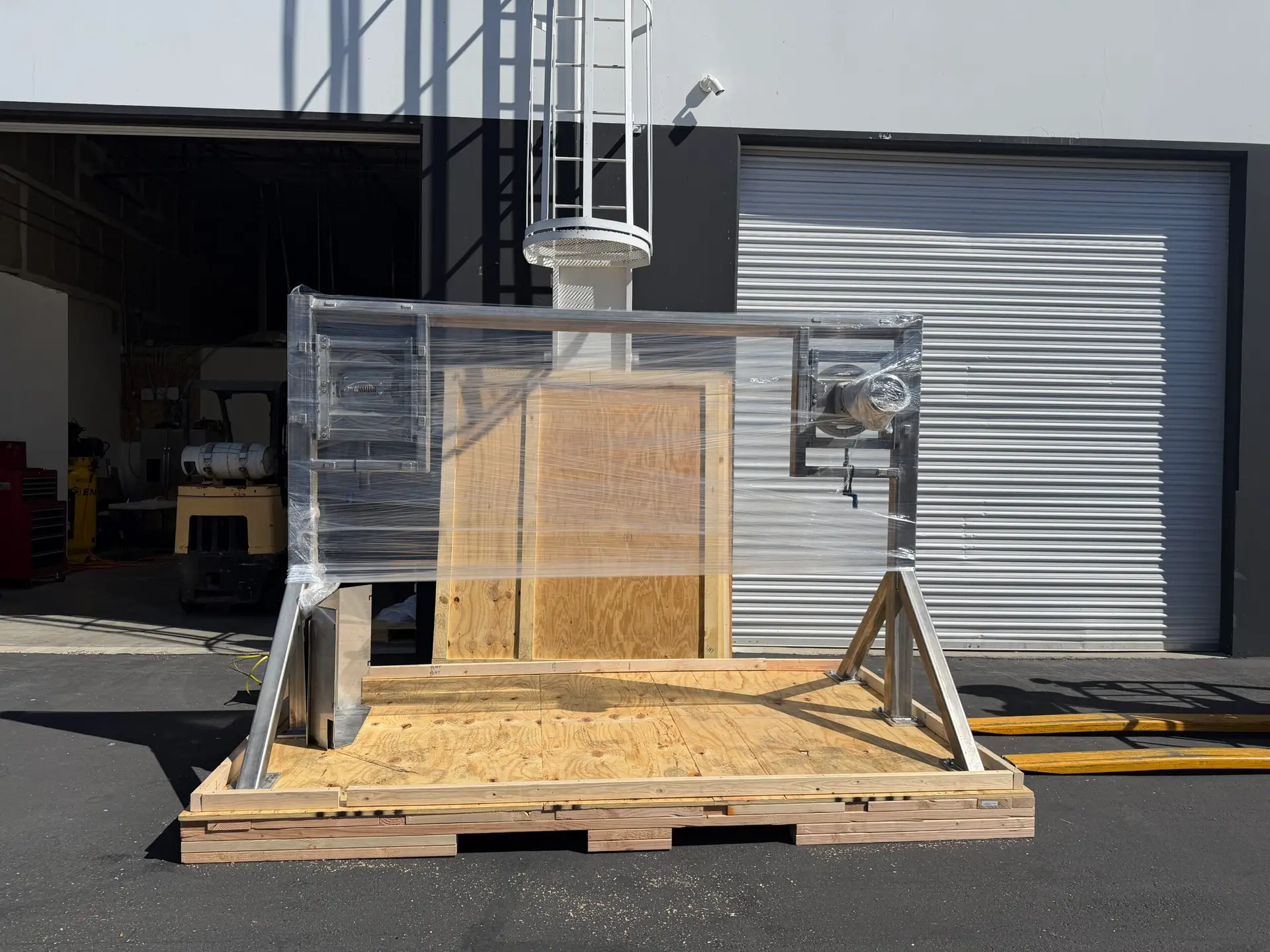
A shipping package and a public-facing display may look similar, but their requirements differ. Decide which role is needed and have any proposed dual use reviewed before placing a crate in front of customers.
Match the look to the setting
Use reference images to explain the atmosphere you want, whether understated, rustic or more polished. Include the surrounding display, available floor space and the products involved. Ask which materials and finishing options are available for the project.
A visual theme should remain compatible with the way the item is handled. If the crate must travel before being displayed, tell the builder about both stages. Allow for labels and handling marks without assuming the exterior will remain untouched during shipping.
Make brand details clear and intentional
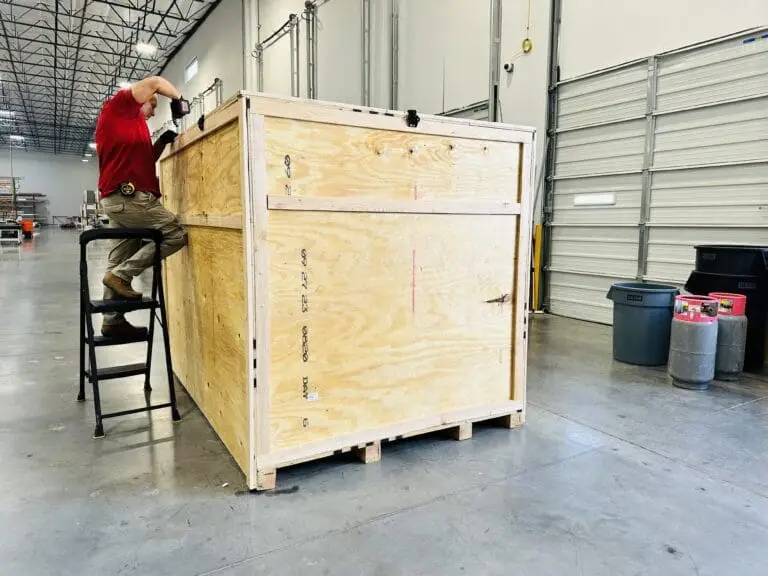
Provide approved artwork and identify what customers should notice. A simple crate number may suit a backstage shipment; a presentation package may call for a more visible brand treatment. Confirm the method and placement before production.
Customer reactions should not be treated as guaranteed. Packaging can communicate design choices, but claims that it will increase sales or establish luxury need evidence from the actual business. Evaluate a prototype or sample against the purpose you defined.
Plan a usable product handover
For a package delivered to a client, consider the opening sequence and the tools or assistance needed. Keep accessories identifiable and include an inventory when appropriate. Show the receiving team where to begin instead of expecting them to guess.
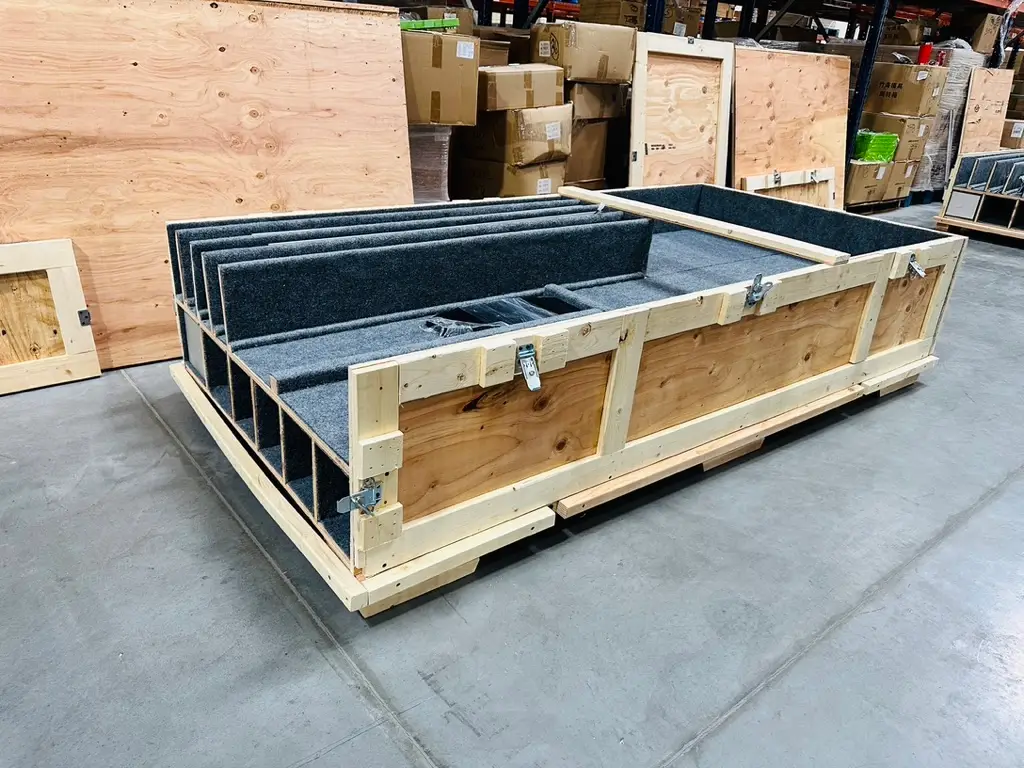
For fragile products, discuss the interior arrangement separately from the exterior design. A pleasing finish does not establish protection for the object inside. Provide the owner's or manufacturer's handling instructions when available.
Review display ideas for their intended use
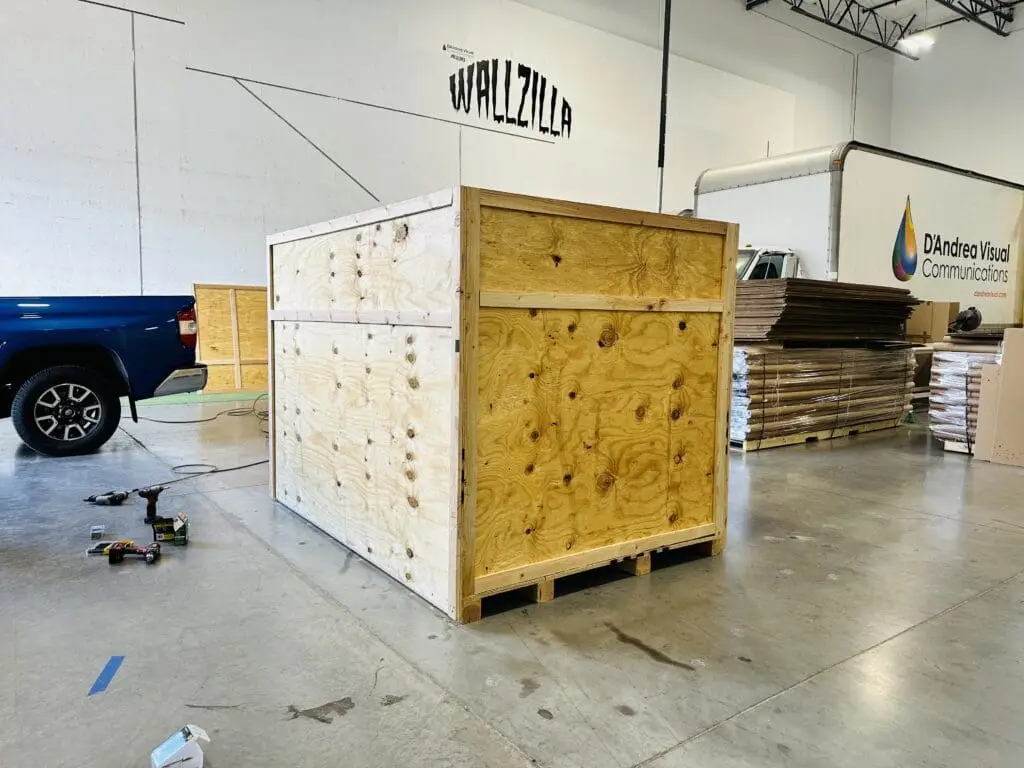
Possible concepts include an individually placed product container, an identified prop-storage box or a purpose-built display element. Each should be assessed for its location and intended loading.
- Ask the venue or installer to review stability and placement.
- Have any stacking or anchoring arrangement designed appropriately.
- Check edges, hardware and access around the display.
- Do not use an ordinary shipping crate as seating, a step or a platform.
- Keep products within the display's assessed limits.
These checks matter whether the setting is a boutique, hotel, casino or temporary pop-up. A crate used successfully for freight is not automatically suitable for unsupervised public use.
Evaluate the result against a clear brief
Before ordering multiple units, compare the proposed design with the product dimensions, available space and intended handling. Confirm which parts of the visual concept are included in the quote and which need a separate fabricator or installer.
If the crate will later return to transport duty, retain its packing instructions and arrange a suitability review. Display modifications should not be assumed harmless to its shipping function.
PLAN YOUR CRATING
Discuss your crate and display requirements
Share the product details, visual references and intended use with Crates of Las Vegas. Explain any shipping stage and ask what can be included in the crating project or requires a separate display assessment.
Discuss your crate projectMORE CRATING GUIDES