

LAS VEGAS · CRATING GUIDE
Custom Crating and Packaging for Las Vegas Shipments
Custom crating and packaging work together to protect items that do not suit an ordinary shipping box. The crate provides an enclosure and support structure; the packing inside addresses movement, contact and the item's particular vulnerabilities. Both need to fit the route and handling plan.
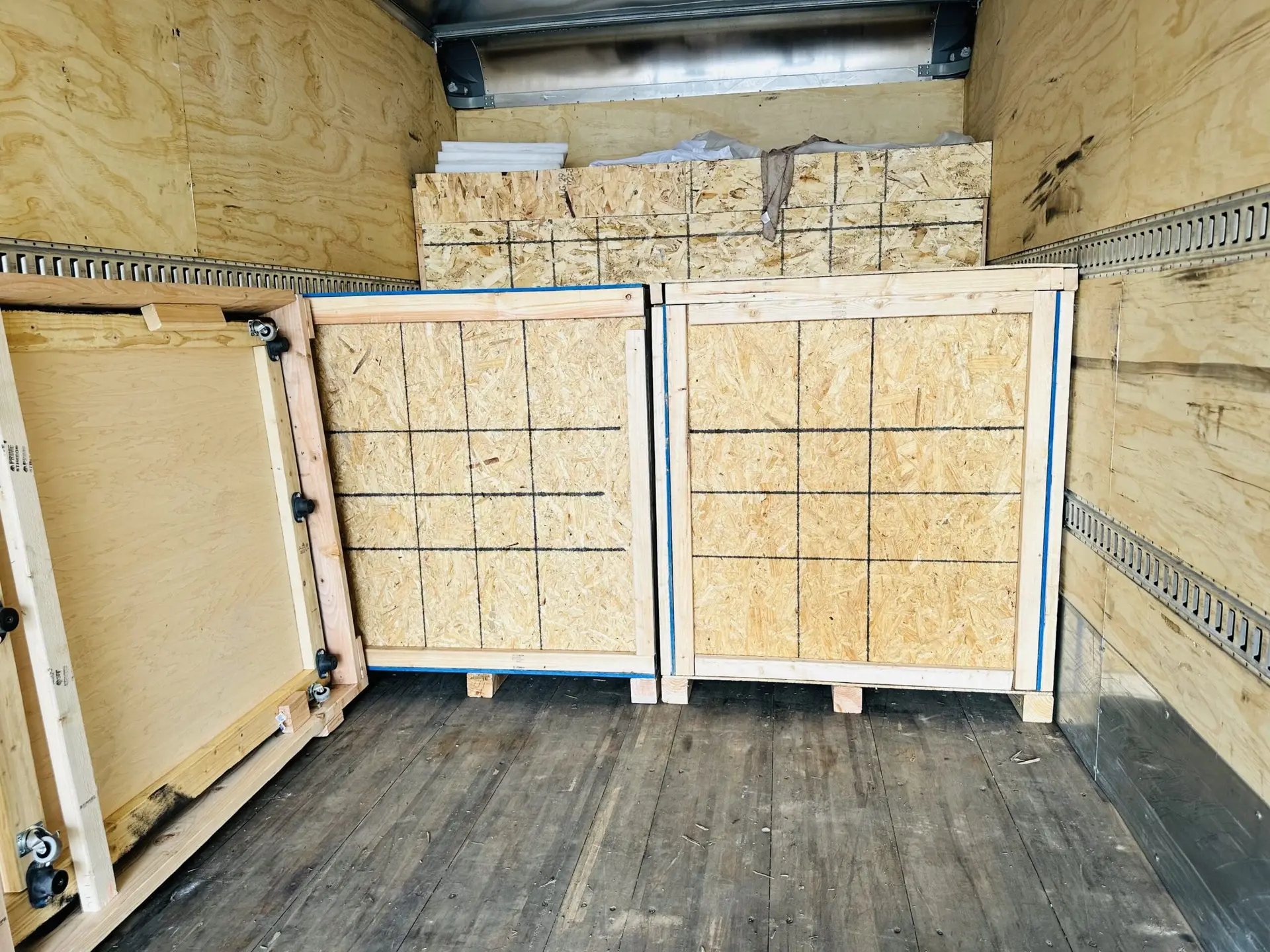
For a Las Vegas shipment involving artwork, industrial equipment or large décor, start by explaining what is being moved and how. A specific assessment is more useful than choosing packaging by size alone.
Know when standard packaging is insufficient
Standard packaging can be appropriate for many goods. Its limits become important when the load is unusually heavy, the shape is awkward or a delicate surface cannot tolerate normal contact. A large box with loose padding may leave an item unsupported even when it looks full.
Document the dimensions, weight, fragile areas and shipping orientation. For equipment, provide manufacturer instructions and approved support points. For artwork, identify condition concerns and seek specialist advice where needed before packing.
Match the enclosure to the internal protection
A custom fit allows the provider to place supports and packing around the actual object. It should also leave the clearances needed for cushioning and safe unpacking. The item should not be pressed against the crate walls simply to remove empty space.
- The base supports the load and provides handling access.
- Blocking and bracing control unwanted movement at suitable points.
- Cushioning and surface protection address the item's fragility.
- The outer enclosure helps protect the packed item from contact.
The FedEx freight packing guide discusses these complementary elements. Ask how each proposed material contributes to the design rather than assuming a stronger-looking box is sufficient.
Plan around the business using the shipment
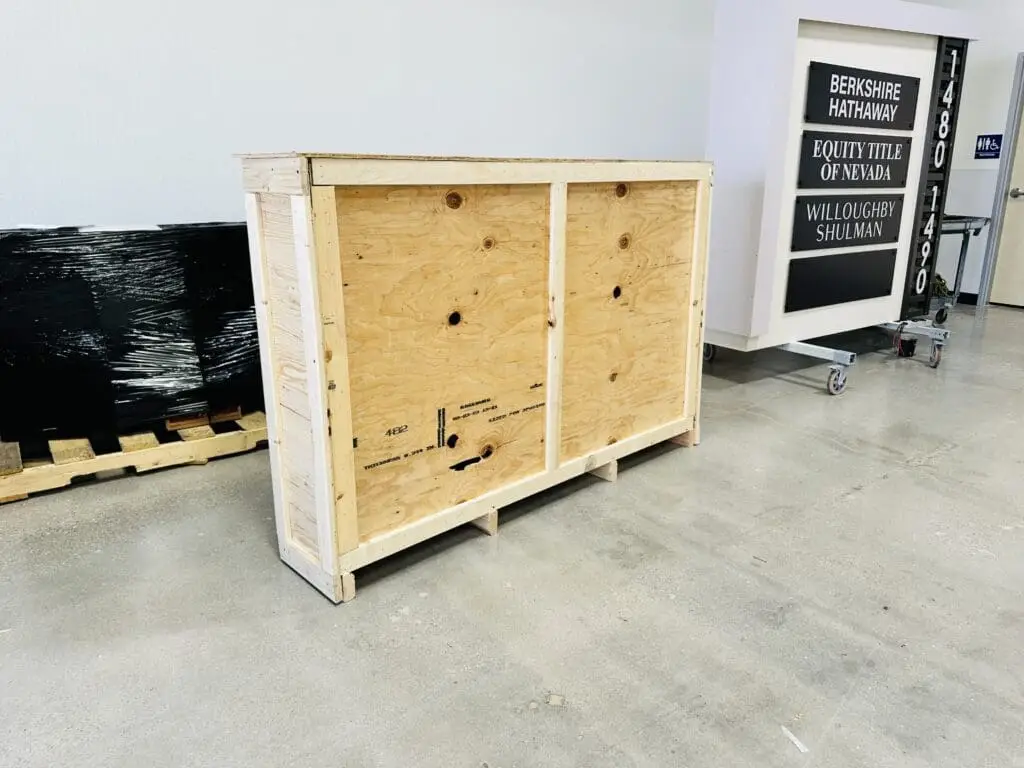
A hotel art delivery needs an inventory and installation handoff. A machine move needs loading and receiving arrangements. An exhibit may need a reusable packing sequence. These differences should be part of the brief before the crate is made.
Confirm the completed crate's dimensions against the pickup and delivery route, including doors, elevators and unloading space. Identify the responsible contact at each end and leave time for the receiver to inspect the shipment.
Address export packaging separately
International shipments may require regulated wood components to meet ISPM 15 treatment and marking rules. Confirm the destination and material requirements with the freight provider or broker; APHIS provides U.S. export guidance.
Wood-packaging compliance is one part of export preparation. It does not certify the cargo, guarantee clearance or establish how much weight the crate can carry. Those questions need separate documentation and design decisions.
Choose services by their confirmed scope
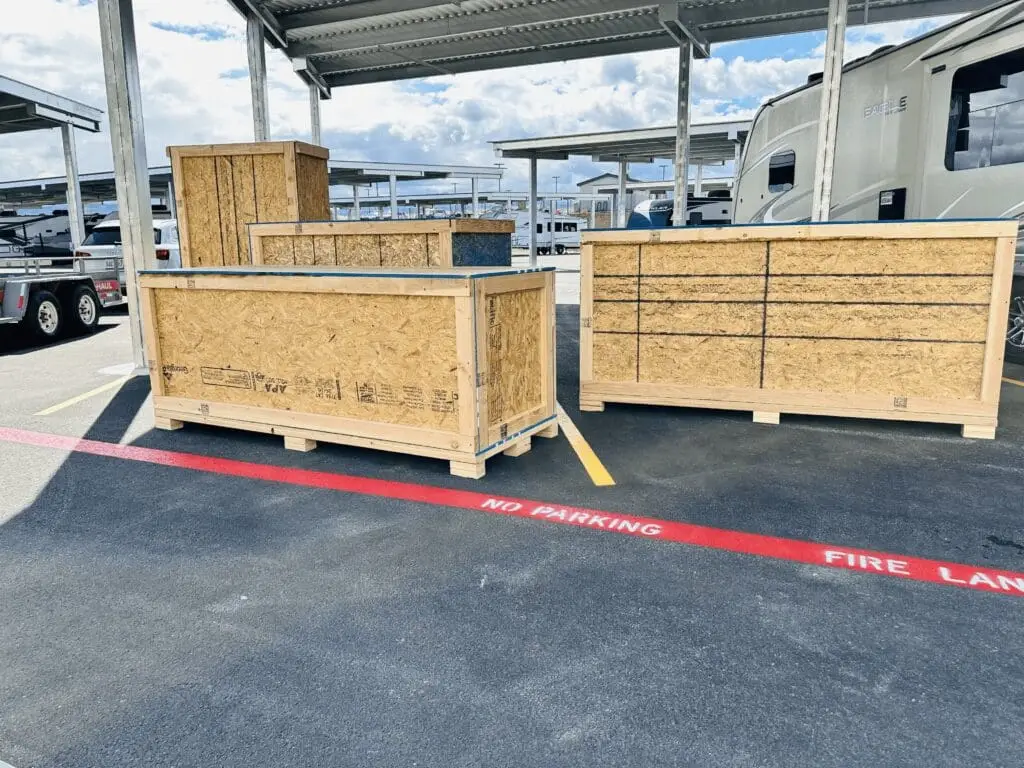
Ask what the quote includes: an assessment, crate construction, internal packing, on-site work, loading or freight coordination. Confirm scheduling and any site requirements before booking.
If storage, temperature control, surveillance or tracking is important, ask the actual service provider to confirm the arrangements in writing. A general crating description should not be treated as evidence that those services are included.
Compare the complete cost and protection plan. Custom packaging may reduce avoidable risks or volume, but it is not a guarantee of lower charges, damage-free arrival or on-time delivery.

PLAN YOUR CRATING
Get a crating plan for your Las Vegas shipment
Contact Crates of Las Vegas with photos, measurements, weight and destination details. Explain the item's vulnerabilities, access limits and receiving needs so the proposed crate and packing can be matched to the shipment.
Discuss your crating projectMORE CRATING GUIDES




