

LAS VEGAS · CRATING GUIDE
A Practical Guide to Professional Packaging Services
Professional packaging services help turn an item's requirements into a workable packing plan. That can include selecting protective materials, building a crate, organizing loose parts and preparing the finished shipment for handling.
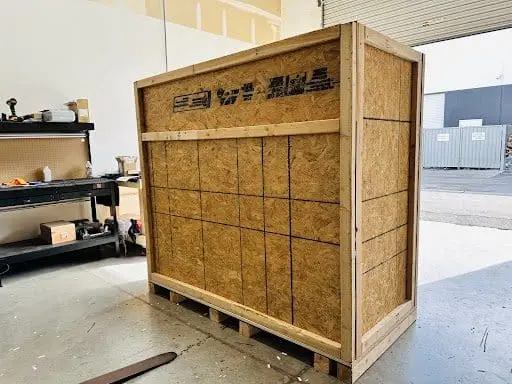
Before comparing providers, define what you need them to do. A quote for an empty crate is different from a quote that includes packing, on-site work and freight preparation. Clear scope makes the comparison more useful.
Start with the item and the service boundary
Provide dimensions, weight, photographs and the destination. Identify any sensitive surfaces or manufacturer instructions. Explain whether the item can be brought to a workshop or whether packing needs to be assessed at its present location.
For in-home or on-site work, discuss access, workspace, opening hours and how the completed package will leave the property. Confirm availability and responsibility for moving the uncrated item before arranging a pickup.

Select components for the protection they provide
Corrugated packaging, wood enclosures, protective wraps, cushioning and internal supports serve different purposes. Ask how the proposed combination addresses the item's shape, weight and vulnerabilities.
More material does not automatically mean better protection. A delicate finish may need a compatible contact layer, while a heavy object needs a support plan suited to its load. Specialized cargo, such as temperature-sensitive products, requires its own requirements review rather than a general-purpose package.
Make branding and identification clear
A useful label helps the receiving team recognize the shipment and find the right components. Agree on the product name, project identifier and any approved artwork before production.
- Keep handling instructions visible and easy to understand.
- Match component labels to the packing list.
- Show the opening panel and required tools.
- Include product care or installation information inside.
- Confirm any custom printing or finishing capability with the provider.

The package's presentation should support its function. Decorative elements should not cover carrier labels or confuse the opening sequence.
Organize the workflow before collection
- Agree the packing scope and the item's ready date.
- Confirm materials, internal supports and the planned shipping configuration.
- Record condition and packing photographs.
- Measure and weigh the completed shipment.
- Confirm carrier acceptance, pickup access and delivery arrangements.
Ask which tasks are included in the quoted price and which are separate. Transport bookings, unloading equipment and destination services should not be assumed to be included simply because the package is ready to ship.
Consider reuse and the recipient's experience
If the package will travel again, request an understandable repacking layout and a way to keep its components together. For one-way deliveries, avoid unnecessary layers and check how the recipient can recover or dispose of the materials.
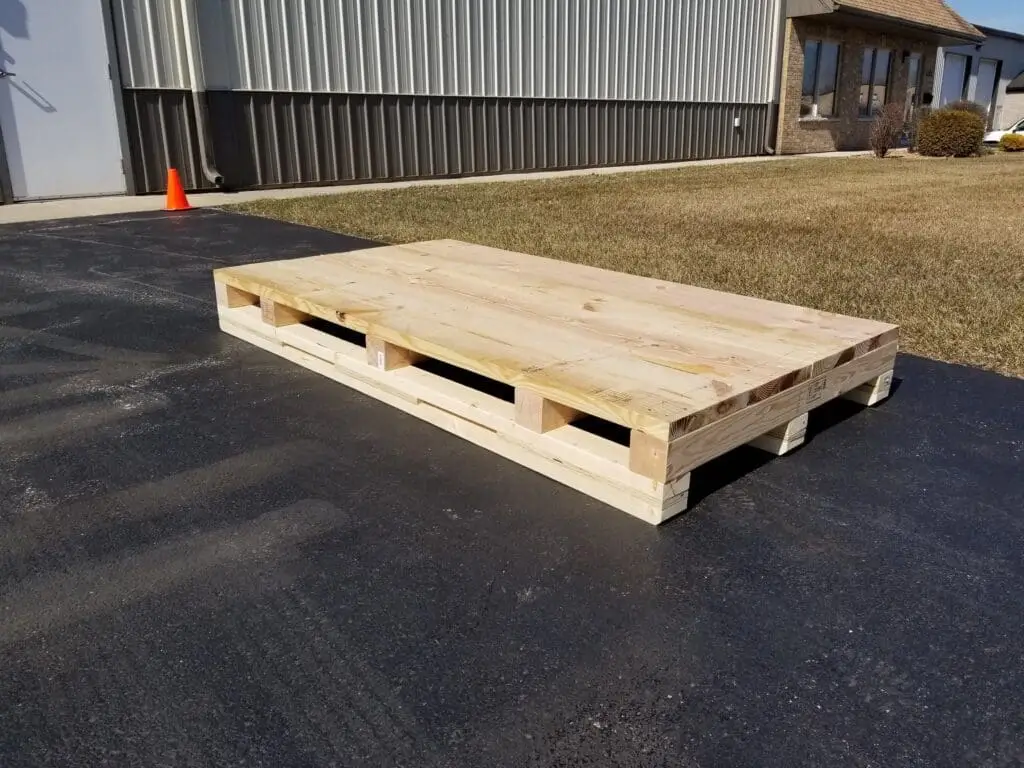
Evaluate the final design through practical questions: can the recipient open it, find the accessories and move the item into place? Record any recurring problems and use them to improve the next shipment. Packaging alone does not establish a better sales result or customer review.
PLAN YOUR CRATING
Compare packaging services for your project
Explore professional packaging services and contact Crates of Las Vegas with your item and location details. Ask for a scope that clearly separates the crate, packing work, on-site requirements and shipment preparation.
Discuss your crating projectMORE CRATING GUIDES




