FRAGILE ITEMS · PACKING GUIDE
Professional Packaging for Fragile Items: Protection, Materials, and Handover
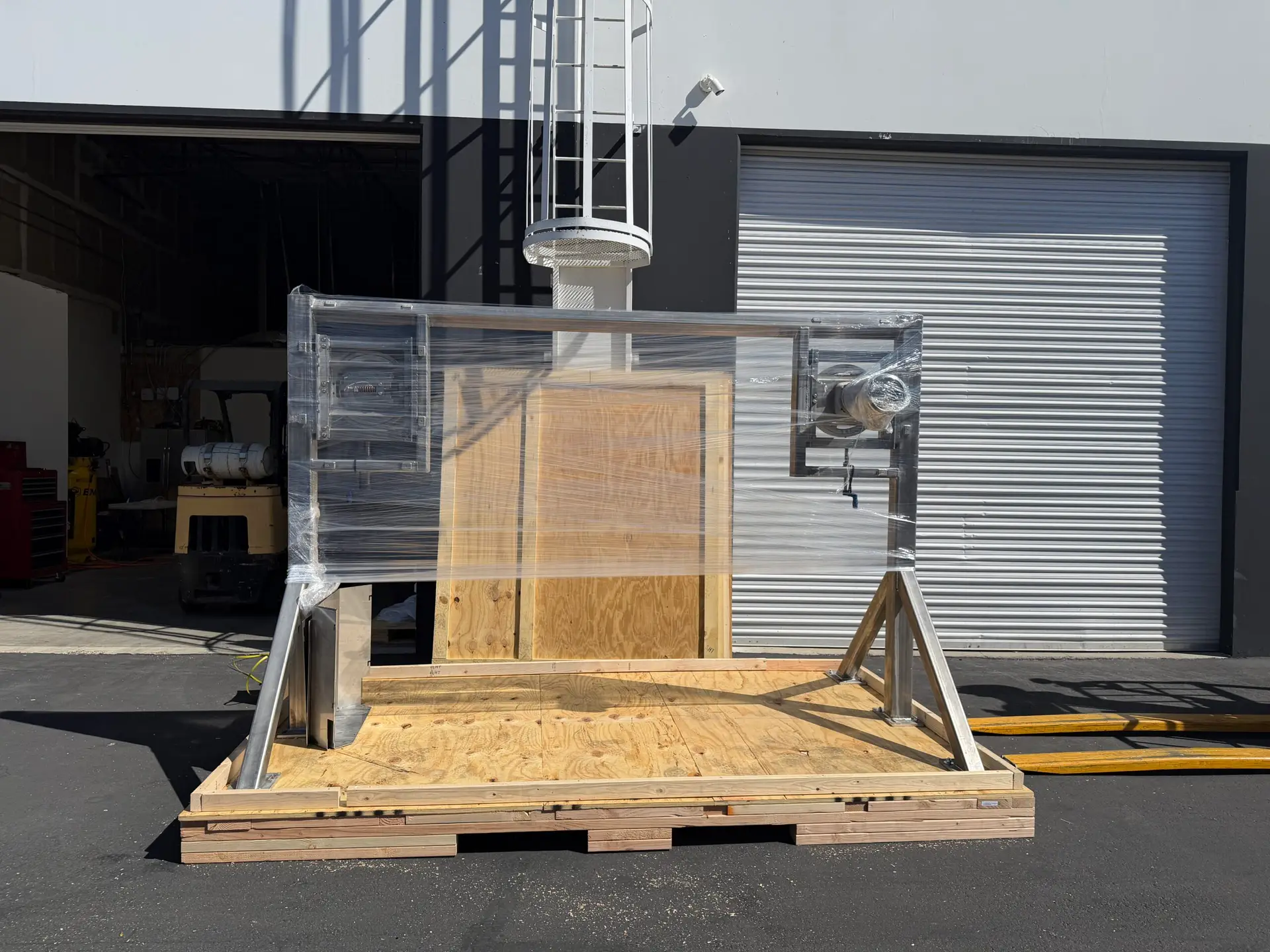
Fragile items need a packing plan that accounts for their weak points and the journey ahead. Glass, delicate finishes, projections, and loosely attached components can each create a different problem. Professional packaging starts with examining those details and choosing an appropriate combination of enclosure, support, and cushioning.
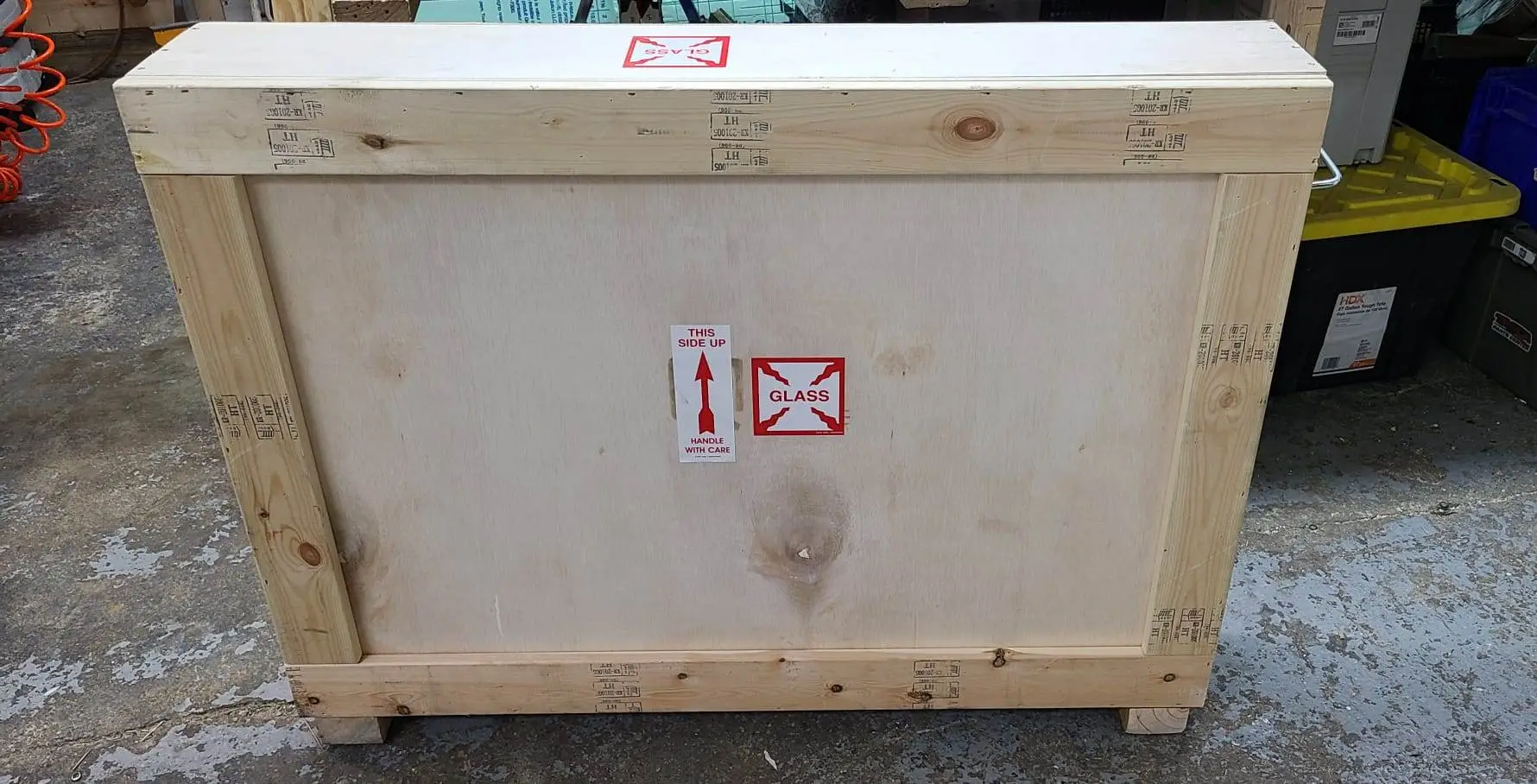
The aim is to reduce avoidable handling and transit risks. A well-prepared package also gives the recipient clear instructions and a useful record of how the item was packed.
Design around the item's vulnerable points
Record dimensions and weight, then identify what could be damaged by pressure, movement, abrasion, or contact with packing materials. Supply manufacturer handling instructions where available. For valuable or sensitive objects, ask the appropriate specialist about safe contact areas and preparation before packing.
Discuss how the item will be placed into the package and removed at the destination. A design should account for both operations. If there are loose accessories or removable parts, agree on whether they will travel separately and how the receiving team will identify them.
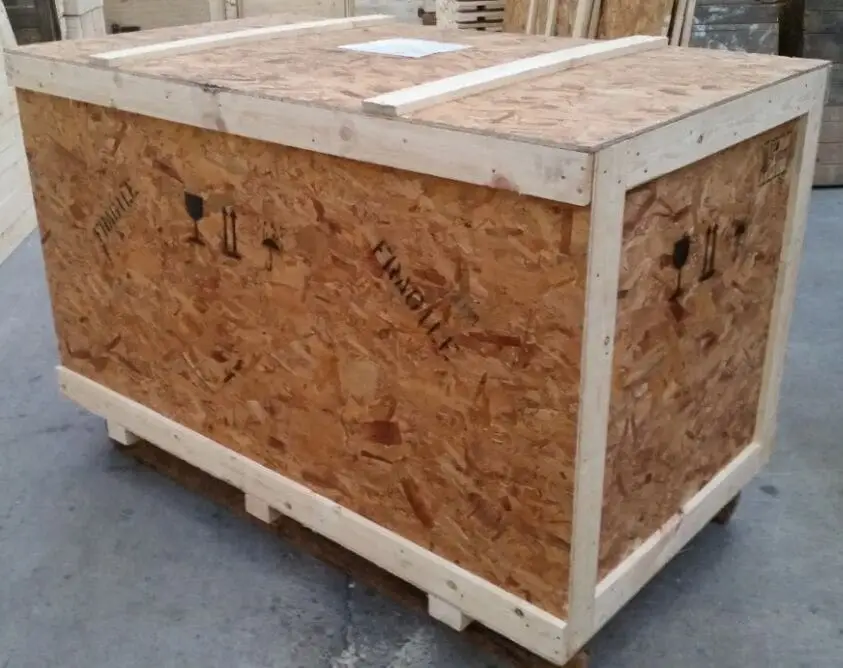
Before packing, photograph the item's condition and note any existing damage. Keep those records with the job details rather than relying on memory when it reaches its destination.
Match cushioning and support to the load
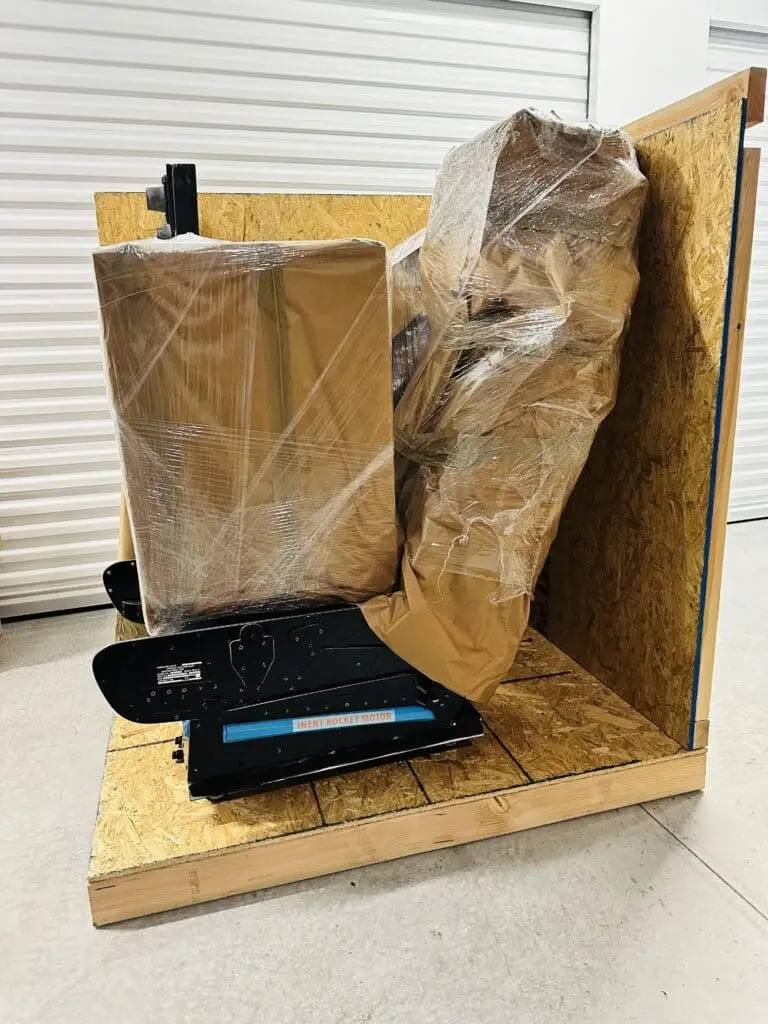
Cushioning helps separate an item from its enclosure, while supports and restraints control how it is held. Ask the packer to explain what each component does and which surfaces it may touch. The appropriate material and thickness depend on the actual item and package.
For parcel-sized breakables, FedEx's breakables guidance discusses sturdy boxes, individual wrapping, movement control, and double-boxing. Those parcel recommendations should be applied within their intended context. Large, heavy, unusually shaped, or especially sensitive objects need an item-specific assessment.
Raise moisture and temperature concerns separately. Wrapping or closing an item in a crate does not establish a controlled environment. Avoid assuming that vacuum sealing, a particular foam, or a stock packaging method is suitable without checking the item's requirements.
Reduce waste without losing necessary protection
Look for unnecessary empty space and materials that can be separated after unpacking. Reuse may be appropriate when the package remains sound and the next item and route are compatible with its design. Inspect packing components before relying on them again.
Check disposal options where the package will be opened. Mixed materials may need to be separated, and a material that is technically recyclable may not be accepted in the recipient's local system. The FTC's environmental-claims guidance is a useful reference when describing recyclable or compostable packaging. Keep claims specific and supported.
Ask the supplier to explain the protective purpose of each layer before removing it to reduce waste. An environmental goal and an item's packing requirements need to be considered together.
Plan the handling and delivery sequence
A packing plan should follow the item beyond the workshop. Tell the provider how it will travel, whether transfers are expected, and what access is available at both ends. Confirm who is arranging the transport and who will receive the shipment.
- Confirm the pickup location, receiving contact, and required handling equipment.
- Record the agreed orientation, opening method, and any special instructions.
- Identify separate pieces and keep the inventory with the shipment records.
- Check the completed package before handover and document its condition.
- Make unpacking guidance available to the recipient before arrival.
No packing method guarantees an undamaged or on-time delivery. Clear responsibilities and accurate shipment information help the people involved recognize and address avoidable problems.
Make the recipient's experience clear
For a business, packaging is part of the customer's first encounter with a shipped item. Clear identification and an understandable opening sequence can help the customer avoid confusion. Include the information needed to check the contents and report a problem to the appropriate contact.
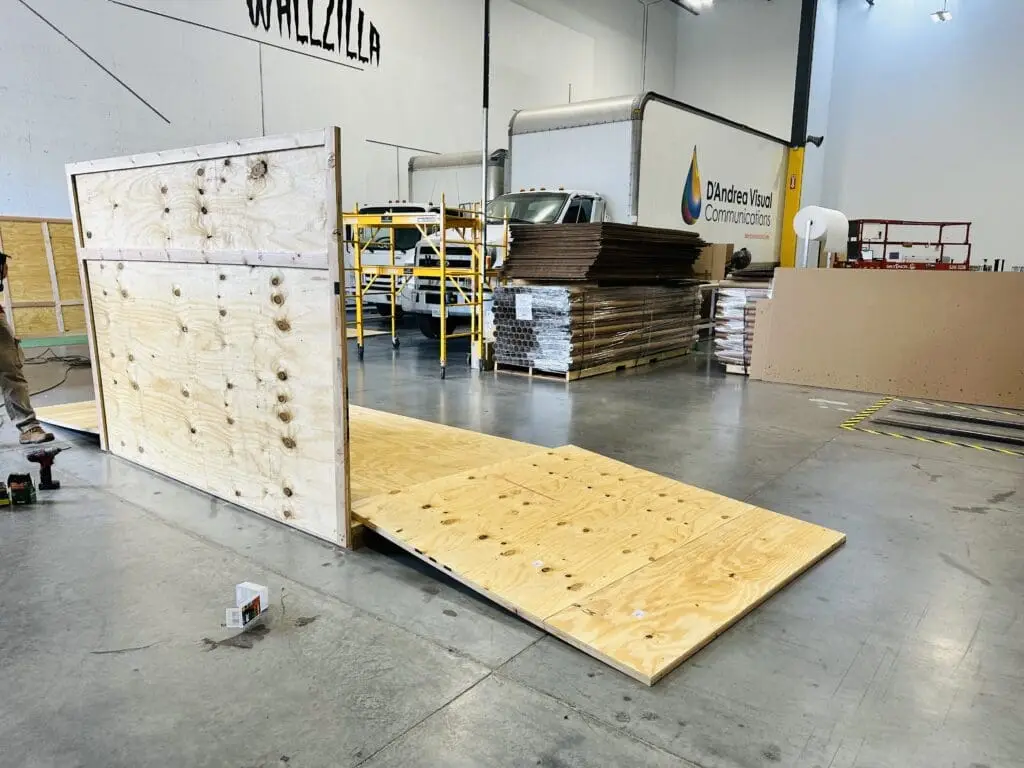
Avoid instructions that require the recipient to improvise around an unknown load. If unpacking needs specialist help or equipment, arrange it in advance. When the package arrives, the receiving team should follow the agreed inspection and handling process and retain relevant records.
PLAN YOUR CRATING
Discuss your fragile-item packing requirements
Send Crates of Las Vegas the item's dimensions, weight, photos, known vulnerabilities, and transport details. Its custom packaging service provides a starting point for discussing materials and support; ask the team to assess your specific item and the planned handover.
Discuss fragile-item packingMORE CRATING GUIDES