

Fragile item packing
The Complete Guide to Shipping Fragile Items Safely
Fragile shipments need protection suited to the object and the journey. Glassware, electronics, artwork, precision instruments, and delicate gifts can be damaged by impact, vibration, pressure, or changes in their environment. The right combination of container, support, and cushioning helps reduce those risks.
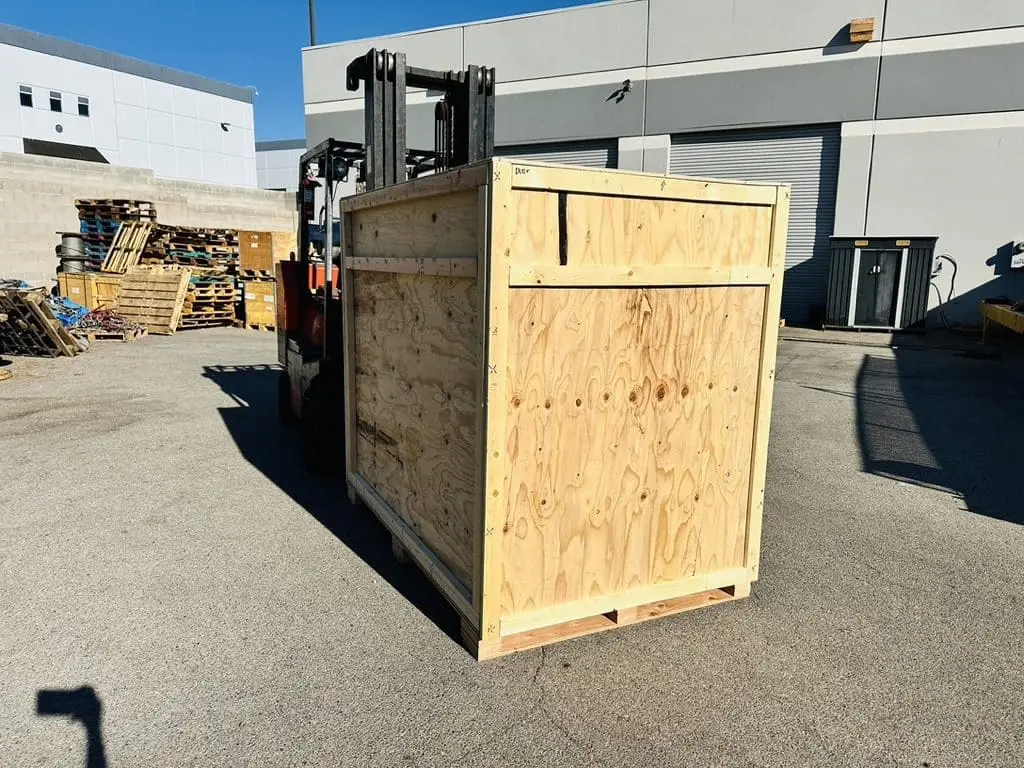
A small parcel and a large freight shipment call for different packing decisions. This guide covers material choices, glassware packing, gifts and souvenirs, repeat shipments, and when to discuss a custom crate with a professional packing team.
Identify the risks before choosing a container
Look at the item's construction and condition. Thin projections, loose components, delicate finishes, and heavy sections attached to weaker ones may each need a different form of support. Record dimensions and weight, photograph existing damage, and check manufacturer instructions where available.
Impact and vibration can occur during transport and handling. Stacking or restraint can introduce pressure, and a loose item may strike another item or the container. Moisture and temperature changes matter for some materials even when the outer package remains intact.
For specialized instruments or medical equipment, ask the owner or manufacturer about transport restraints, environmental limits, and checks required before reuse. For vulnerable artwork or antiques, a conservator or experienced art handler may need to assess the packing treatment.
Route planning and careful handling help, but the package should be designed for the agreed shipping environment. A “Fragile” label communicates a concern; it cannot assure gentle handling at every stage.
Match each material to its job
Materials are most useful when chosen for a specific purpose rather than ranked universally as high or medium protection. Consider the complete system, including the outer container and any internal supports.
Wooden crates and structural supports
A custom crate can provide a fitted enclosure and support for large, heavy, unusually shaped, or vulnerable items. The design may use a load-bearing base, internal bracing, and cushioning where appropriate. A crate alone is not a shock-absorption system; the arrangement inside it matters.
Bubble cushioning
Air-cellular cushioning can protect suitable lightweight objects when used in an adequate amount and kept in place. It does not automatically restrain a heavy load. Check whether direct contact is appropriate for the object's finish, and keep it away from sensitive surfaces when the packing plan requires a barrier.
Foam inserts and sheets
Foam can provide separation, abrasion protection, fitted support, or cushioning. Its firmness, thickness, contact area, and load must suit the application. An insert that fits the outline is not necessarily adequate for vibration or impact protection.
Dividers, edge protection, and void fill
Dividers separate individually packed objects; edge protectors shield vulnerable corners when used as part of a suitable pack. Void fill helps control empty space, but loose material can shift and should not be relied on to restrain a heavy object. A layered combination often works better than expecting one material to do every job.
Consider alternatives and environmental protection carefully
Foam sheets, paper-based cushioning, fitted partitions, and appropriate loose-fill materials may be alternatives to bubble cushioning for some applications. Select them according to the item and shipping conditions, then assess whether they maintain the necessary protection.
Shrink film can help contain or cover a load when properly specified, but it is not a substitute for structural restraint or impact cushioning. Ordinary wrapping should not be assumed to create a waterproof or temperature-controlled package.
If choosing reusable, recyclable, or compostable materials, check the actual disposal or reuse options available to the recipient. A material's label alone does not establish the environmental benefit of the complete shipment. Reuse also depends on the material remaining clean and undamaged.
Pack glassware in a deliberate sequence
For ordinary glassware suitable for parcel shipment, start with a sturdy container and enough room for the planned cushioning. Avoid selecting a box that fits so tightly that it leaves no space for protection, or one that cannot support the packed weight.
- Inspect and document: Check each piece and record any existing chips or damage.
- Wrap individually: Protect each item so glass surfaces cannot strike one another.
- Cushion the base: Place appropriate material below the contents before loading.
- Separate the pieces: Use suitable dividers or individual inner packs.
- Control movement: Fill planned gaps without forcing pressure onto rims, stems, or handles.
- Protect all sides: Check the top, bottom, corners, and walls as well as the spaces between items.
- Close and label: Seal the shipping container securely and apply the correct address and handling information.
Check the selected carrier's packing instructions. FedEx's breakables guide recommends a strong box, individual cushioning, movement control, and double boxing for fragile parcels. The exact packing method still needs to suit the glass item and service being used.
Large glass panels, tabletops, unusual sculptures, and damaged or irreplaceable pieces need a more specific assessment. Do not assume that the method used for a drinking glass scales up to a heavy sheet of glass.
Choose a box or crate for the actual shipment
A properly rated corrugated shipping box with an appropriate internal pack may suit smaller glassware. A double-box arrangement adds a protective outer layer when correctly cushioned. Divided cartons can help keep multiple items separated, provided the design matches their size and weight.
A custom crate may be appropriate for larger items, heavier loads, unusual shapes, or freight handling. Discuss how the item will be supported, lifted, and removed at delivery. The recipient should know which panels to open and what equipment will be needed.
For international freight, check whether solid-wood packaging components need treatment and official marking for the destination. Wood-packaging requirements are separate from protection against impact or moisture.
Protect delicate gifts and souvenirs
Treat a mixed gift shipment as several different objects rather than one bundle. Pack heavier and stronger pieces so they cannot move into a delicate ornament, glass vessel, or fragile souvenir. Use separate compartments or inner packs where appropriate.
A decorative gift crate may be part of the presentation, but it still needs a shipping package suitable for its contents. Do not assume that exposed items, ribbon, or decorative filler will provide transport protection. Check the packed weight and dimensions before selecting a carrier service.
For valuable or unusual gifts, document the contents and discuss packaging and coverage requirements with the relevant providers. Confirm the recipient's address and ability to accept the shipment. Insurance or declared-value arrangements need their own review and should not be treated as a promise that every loss is covered.
Validate repeat and subscription shipments
For products shipped repeatedly, create a consistent packing instruction with photographs, item placement, materials, and closure steps. Check each variation in product size, weight, or assortment; changing one component can change how the package behaves.
A suitable test program can help reveal weak points before a packaging design is used broadly. ISTA's test procedures cover different purposes and distribution conditions. Use an appropriate test sample and qualified testing support rather than dropping a valuable or irreplaceable object as an informal experiment.
Review delivery feedback and damage patterns. Replace damaged reusable packaging and update the packing instructions when the product or shipping route changes. Careful records make it easier to identify whether a problem began with materials, placement, handling, or an unsuitable service.
PLAN YOUR CRATING
Discuss packing for a fragile shipment
Send Crates of Las Vegas photographs, dimensions, weight, destination, and details of the item's fragile areas. Include any manufacturer instructions, value-related packing requirements, or need for on-site work.
Contact Crates of Las Vegas to discuss a custom crate or protective packing plan for your shipment.
Discuss your shipmentMORE CRATING GUIDES



