

LAS VEGAS · CRATING GUIDE
ISPM 15-Compliant Custom Crates for International Shipping
For an international shipment using regulated wood packaging, ISPM 15 can be an important part of the packing plan. It addresses pest risks associated with wood used to support or enclose cargo, including many crates, pallets and pieces of dunnage.

Custom crating and phytosanitary compliance solve different parts of the job. The crate must suit the item's size, weight and fragility, while its regulated wood components must meet the applicable treatment and marking requirements.
Understand what ISPM 15 covers
The International Plant Protection Convention's ISPM 15 standard sets out measures for wood-packaging pest risk in international trade. It concerns raw-wood packaging and includes dunnage. Qualifying processed-wood packaging, such as plywood, is outside its scope.
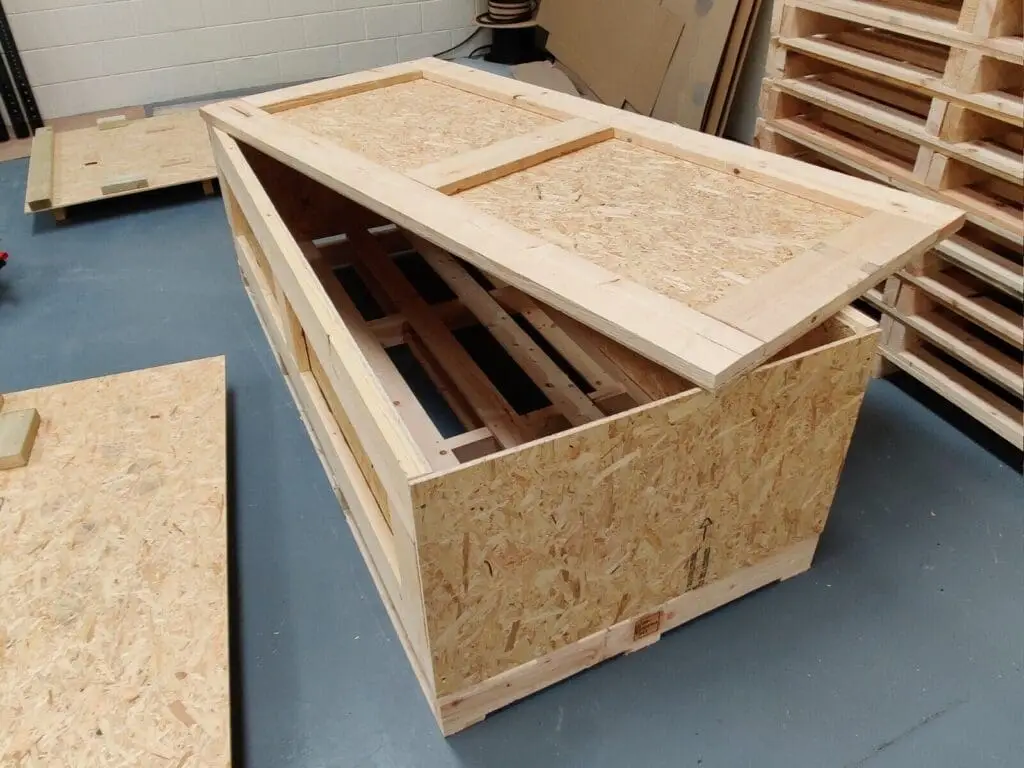
A crate with plywood panels can still contain regulated solid-wood framing or a solid-wood base. Have the complete construction reviewed rather than assuming the panel material determines the status of the whole package.
Confirm treatment and marking with the provider
Ask how compliant packaging will be supplied and how the required mark will be applied. A lumber treatment label and a finished wood-packaging mark are not interchangeable proof of the complete crate's status.
USDA APHIS export guidance describes obtaining treated and marked packaging through authorized programs. Do not make your own mark or assume a statement on an invoice substitutes for the required packaging identification.
During design, leave required marks visible. Keep logos, shipping labels and presentation finishes from covering them.
Check the destination before construction
Give the crate provider the destination country and any transit details. Ask the carrier or customs broker to confirm the requirements for the shipment, including any commodity-specific rules and the current treatment requirements for the route.
- Describe all wood used to enclose, support or secure the cargo.
- Identify whether the shipment will be unpacked or repacked en route.
- Confirm who checks the completed packaging before pickup.
- Keep shipment records and clear photographs of the finished crate.
- Recheck requirements when a crate is redirected to a different destination.
Keep physical protection in the same discussion
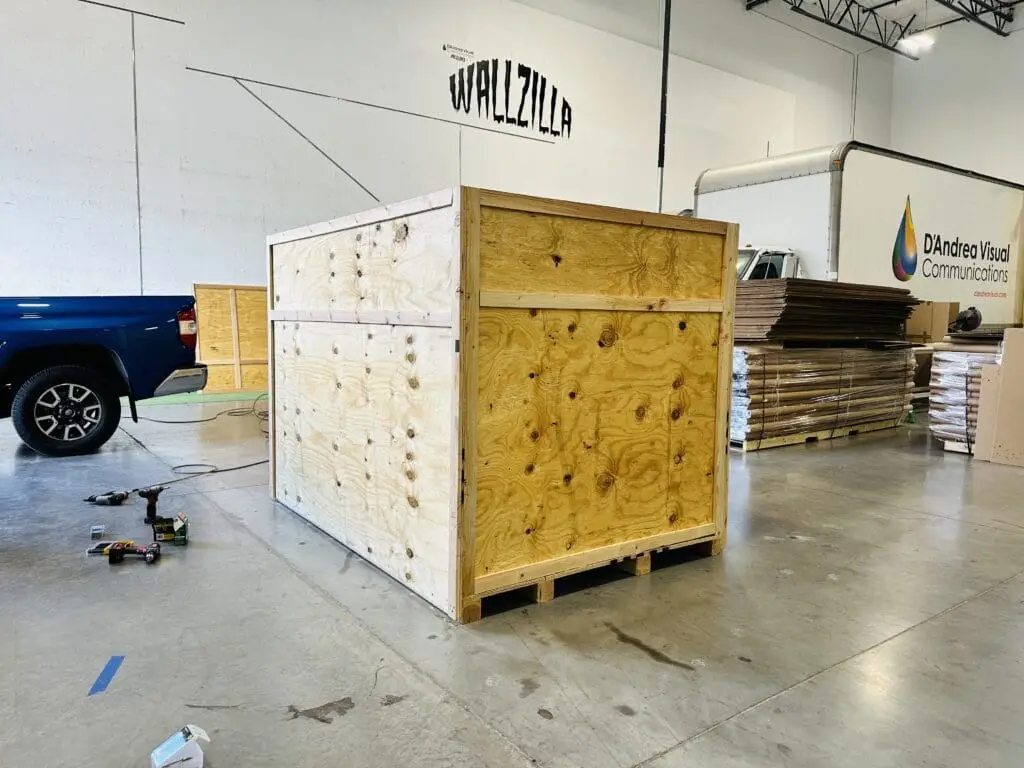
An ISPM 15 mark does not establish a load rating, cushioning performance or weather resistance. The design still needs suitable support points, internal restraint and protection for vulnerable surfaces.
For artwork or sensitive equipment, provide the manufacturer's or conservator's instructions. Plan the opening sequence and receiving equipment. Branding and an attractive finish can be considered after these practical requirements are resolved.
Review reused or repaired crates before export
Inspect the crate's condition and tell the provider about repairs, replaced components or a changed load. Do not assume that an old mark settles the compliance of a modified crate.

The IPPC implementation resources cover reuse and repair. Have an appropriate provider assess the package and any treatment or marking work needed before the next international trip.
Compliant wood packaging can address one avoidable source of border problems. It does not guarantee customs clearance, prevent every pest problem or replace the cargo's shipping documents.
PLAN YOUR CRATING
Discuss an export-crating specification
Review Crates of Las Vegas' ISPM 15 heat-treatment service information. Send the item dimensions, weight, destination and required date, and ask the team to explain both the physical packing plan and the applicable wood-packaging treatment and marking.
Discuss your crating projectMORE CRATING GUIDES




