
LAS VEGAS · CRATING GUIDE
Designing Custom Shipping Crates for Fragile Items
A fragile-item crate needs to protect the object through loading, transport and unloading. That starts with understanding what can be damaged, where the object can safely be supported and what handling conditions the shipment is likely to encounter.
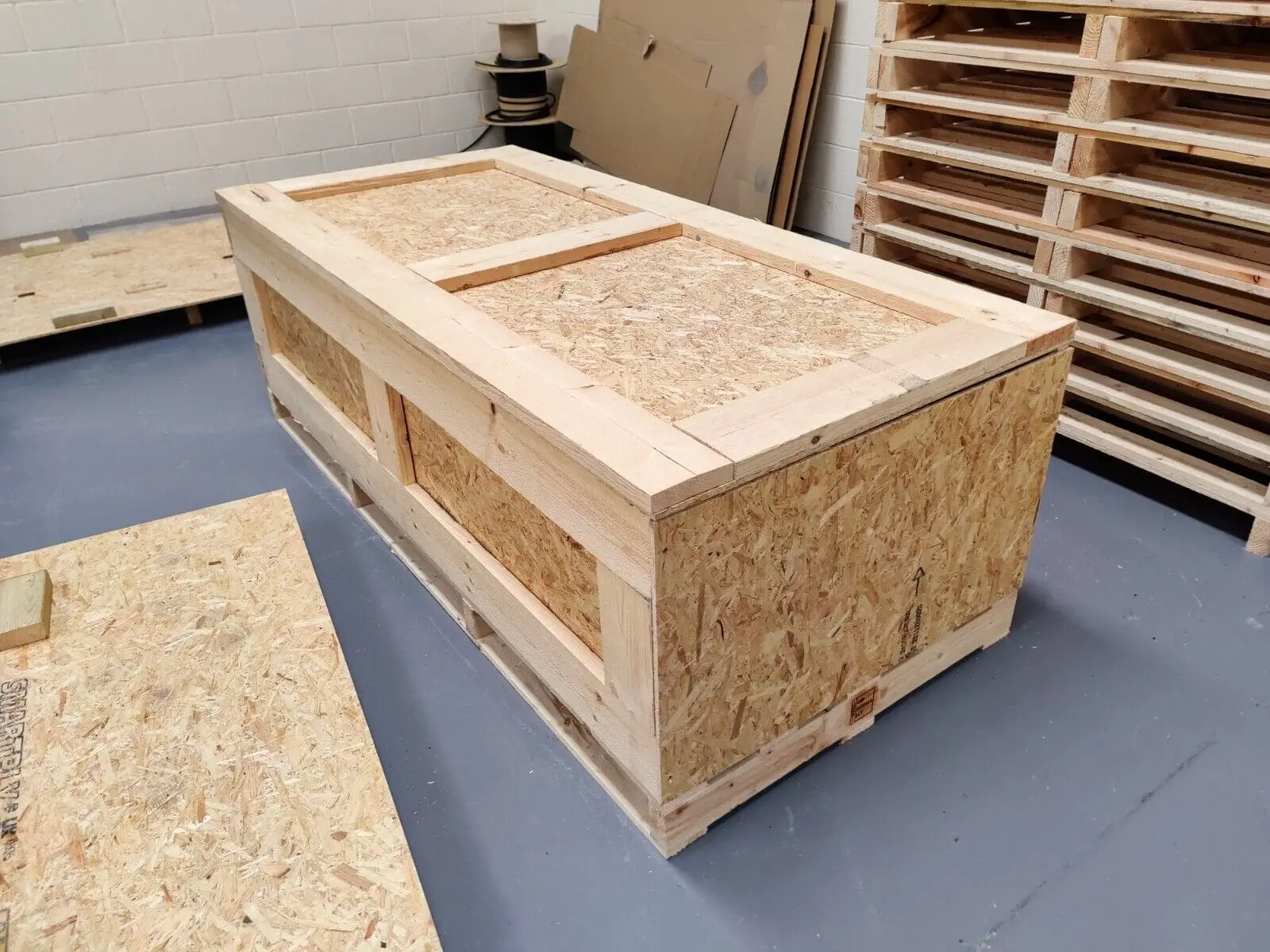
The outer enclosure, internal restraint and cushioning should be considered together. A close-fitting box or an extra layer of foam alone cannot establish whether the complete package is suitable.
Assess the item before designing the enclosure
Record dimensions, weight and the location of delicate features. Photographs should show the underside, rear and projections as well as the front. Identify removable parts, existing damage and any manufacturer or conservator instructions that affect packing.
Ask which surfaces can carry a load and which must remain free of contact. For an irregular object, the support arrangement can be more important than the apparent simplicity of its outline. Include the intended orientation and the equipment available to move it.
Choose structural and contact materials separately
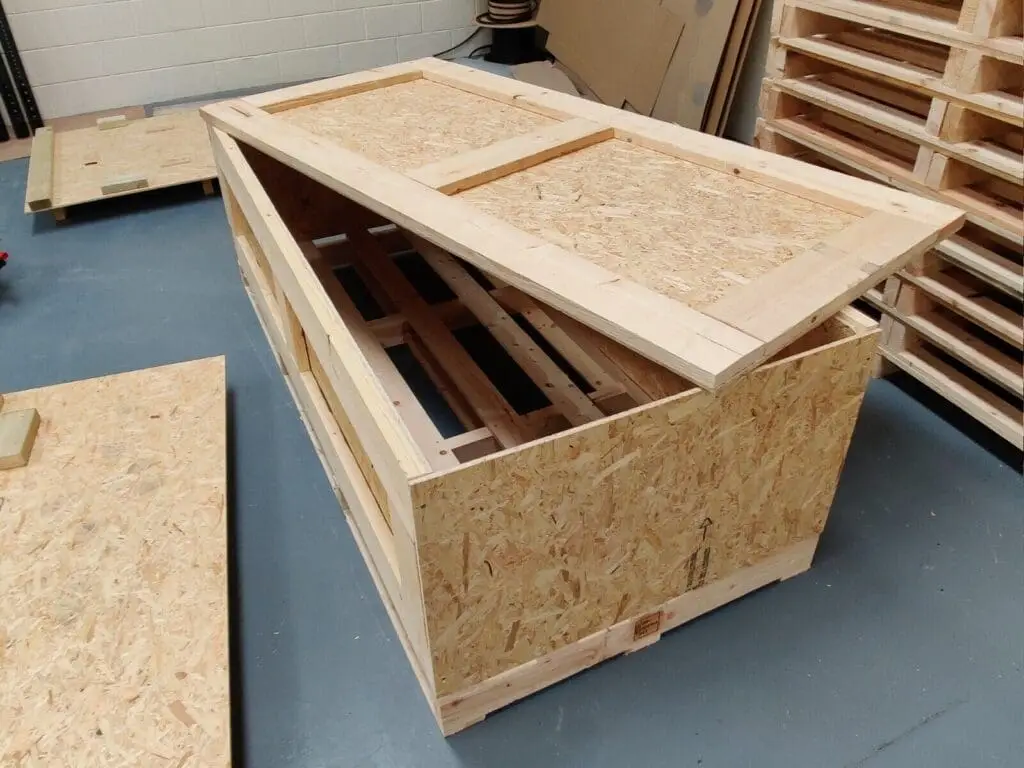
The base, framing and panels provide the crate's structure. Materials touching the object have a different job: they must avoid abrasion, unwanted pressure and incompatibility with the surface. Specify sensitive finishes rather than expecting the packer to infer them from a photograph.
Foam is selected for its properties and the load it supports. More padding is not automatically better. The Canadian Conservation Institute's shipment guidance explains the relationship between object support and effective cushioning.
Adapt the design to the type of fragile cargo
- Artwork: identify fragile paint, frames or projections and seek conservation advice where needed.
- Electronics: provide the manufacturer's transport instructions, including any component restraints or specialized packaging requirements.
- Glass and ceramics: identify vulnerable edges, handles and thin sections so support does not concentrate pressure there.
- Precision equipment: confirm transport locks, approved attachment points and orientation requirements with the equipment supplier.
These are design questions rather than a universal packing recipe. Two items of the same size may need very different supports and contact materials.

Account for shock, vibration and the environment
Review the expected transport route, handling transfers and storage stops. Ask how the packing plan addresses restraint, impact cushioning and any environmental sensitivity. A handling label communicates instructions but does not physically restrain or cushion the item.
A wooden crate is not automatically climate-controlled, waterproof or suitable for every humidity-sensitive object. Discuss any required barrier, insulation or controlled transport separately. The CCI technical bulletin on art transport describes why the object, package and journey must be assessed as a system.
Balance protection with practical handling
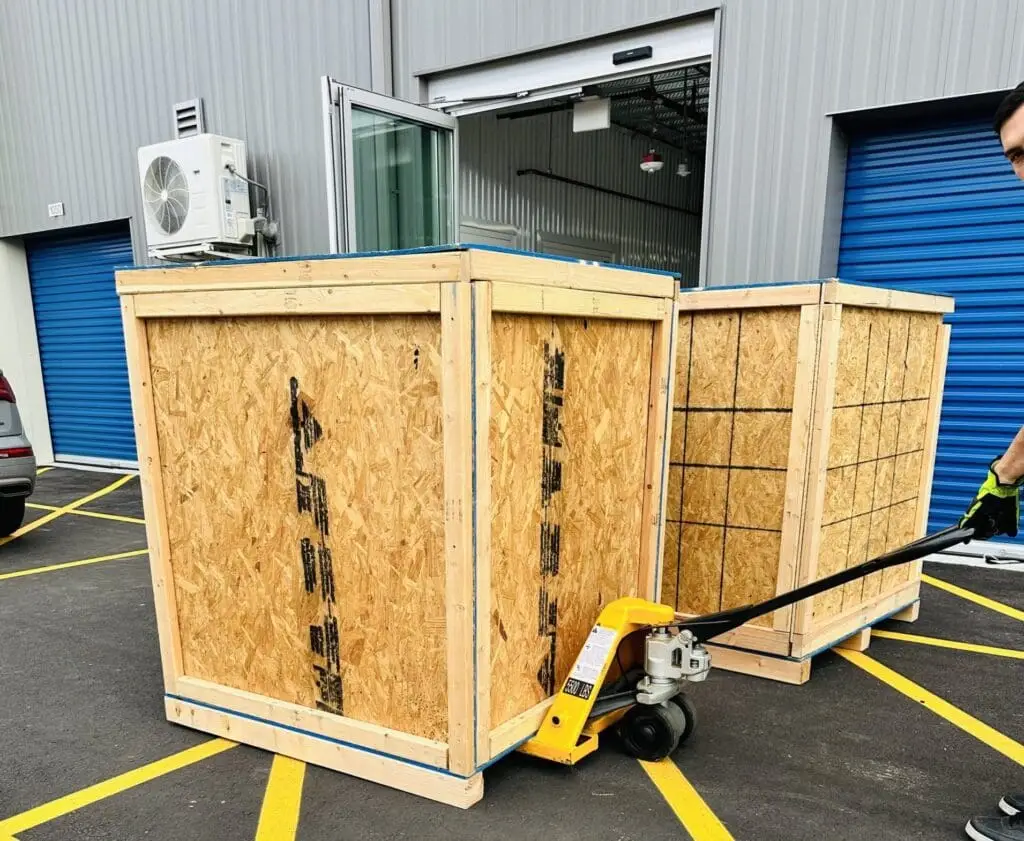
Review the packed dimensions and weight before booking freight. Ask whether the crate can pass through doors and reach the loading area in the intended orientation. Confirm lifting access, opening panels and the unloading sequence.
A lighter package is useful only if it still suits the load and route. If a buyer or carrier requires a particular packaging test or design standard, make that requirement part of the brief and request the relevant evidence rather than assuming a custom crate has been tested.
PLAN YOUR CRATING
Plan a crate for your fragile item
Explore custom-crate options and send Crates of Las Vegas photographs, dimensions, weight and transport instructions. Describe the item's vulnerable areas and destination so the discussion begins with the protection it actually needs.
Discuss your crating projectMORE CRATING GUIDES