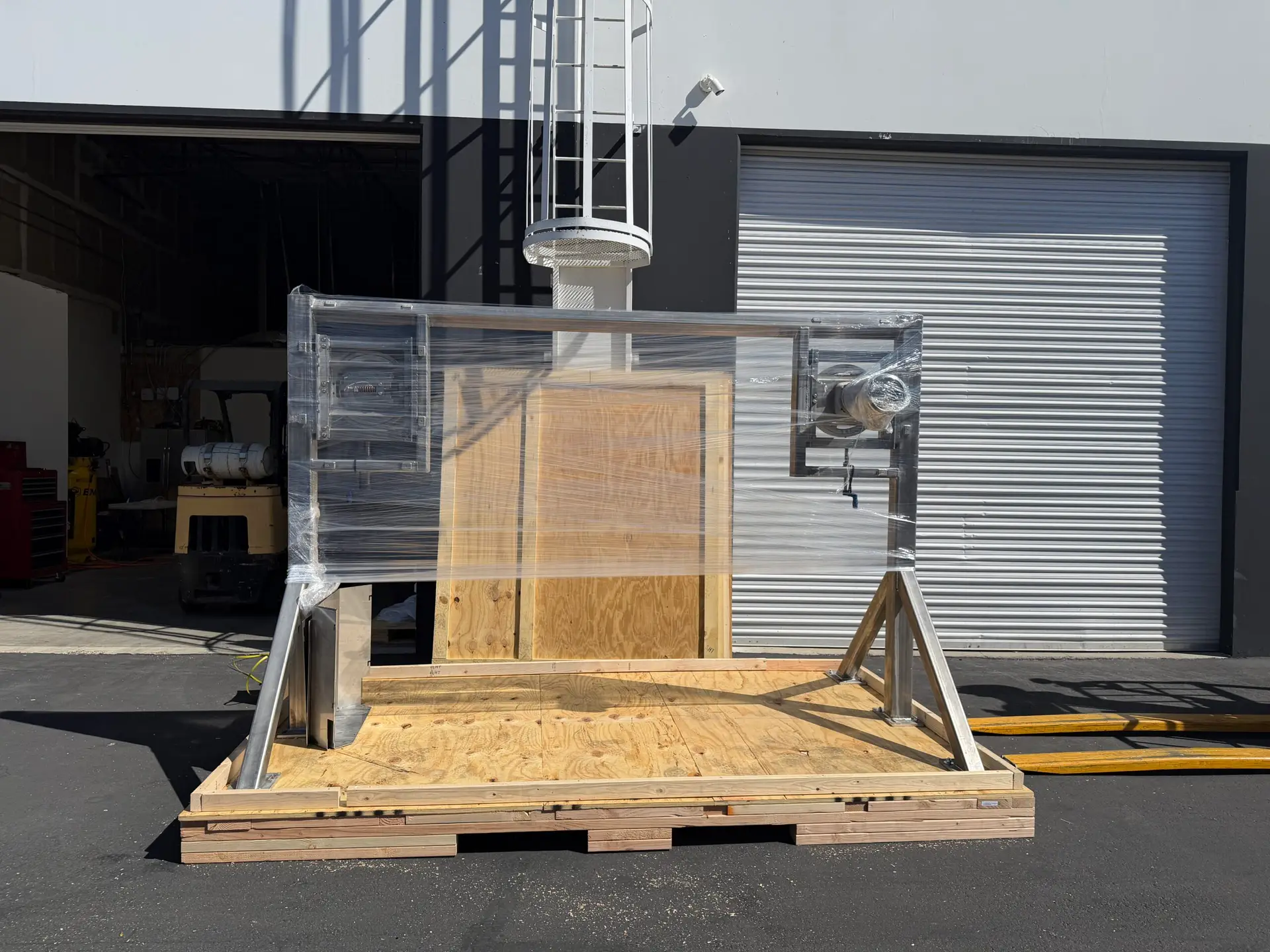
LAS VEGAS · CRATING GUIDE
Shipping Fragile Goods in Custom Wooden Crates
Fragile goods need protection at the places where they are vulnerable. A glass object may be sensitive to concentrated pressure, an antique to weak joints, and electronics to movement or handling that their manufacturer restricts.
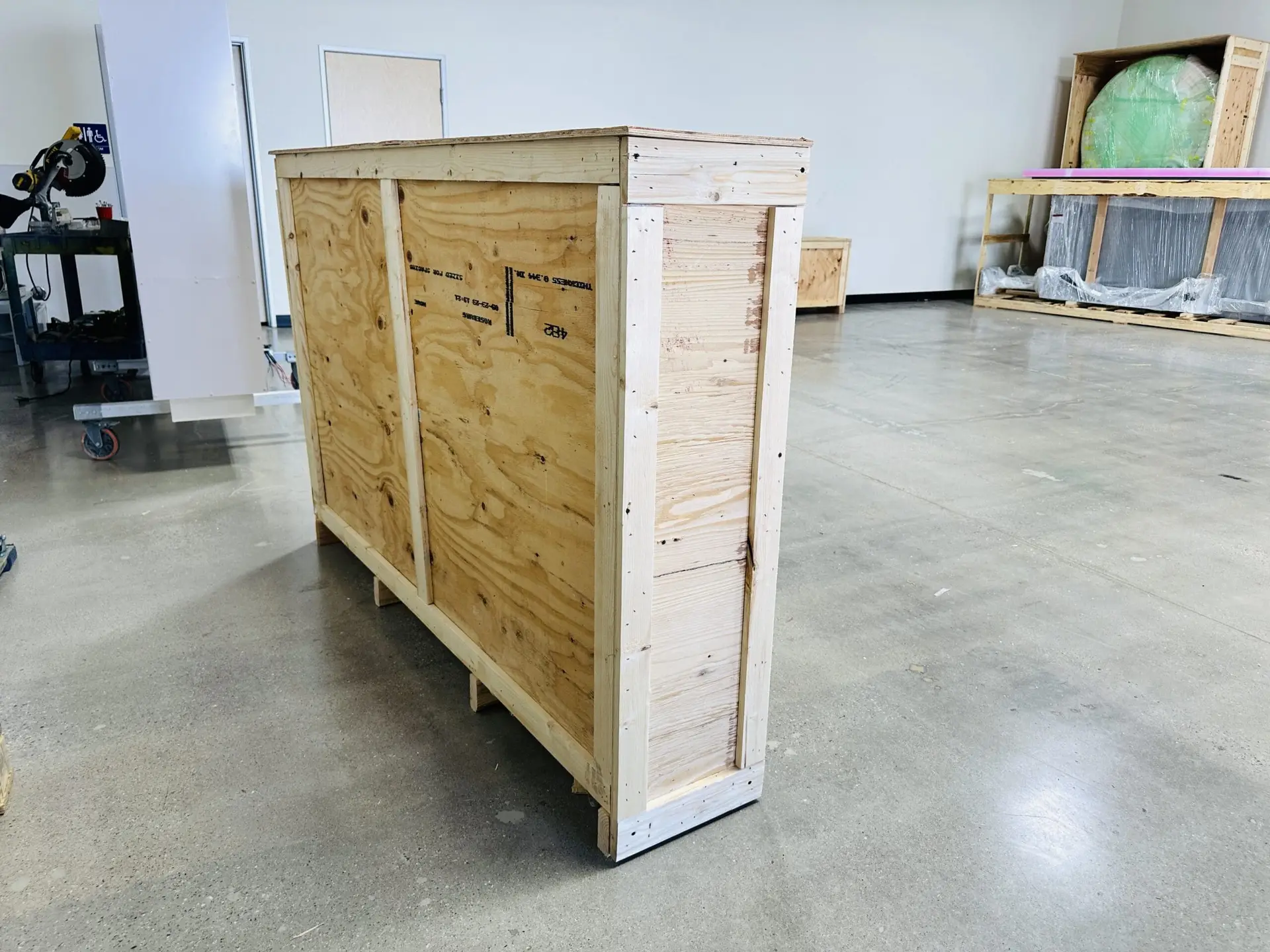
A custom wooden crate can provide a platform for a suitable packing system. Its usefulness comes from the support, cushioning and handling plan around the item, rather than a claim that wood always offers the best protection.
Understand what the enclosure can protect
The base and outer structure can help carry the load and separate it from other freight. They still need to be designed for the item's weight, the intended lifting method and expected handling.
Do not infer a stacking capacity from a sturdy appearance. Nor should an enclosure be assumed to prevent damage from every impact, temperature change or exposure to rain. Ask the provider to explain the design's intended role and limitations.
Fit the support to the fragile item
Provide photographs, dimensions, weight and any manufacturer or conservator instructions. Identify surfaces that cannot tolerate contact and components that need separate compartments.
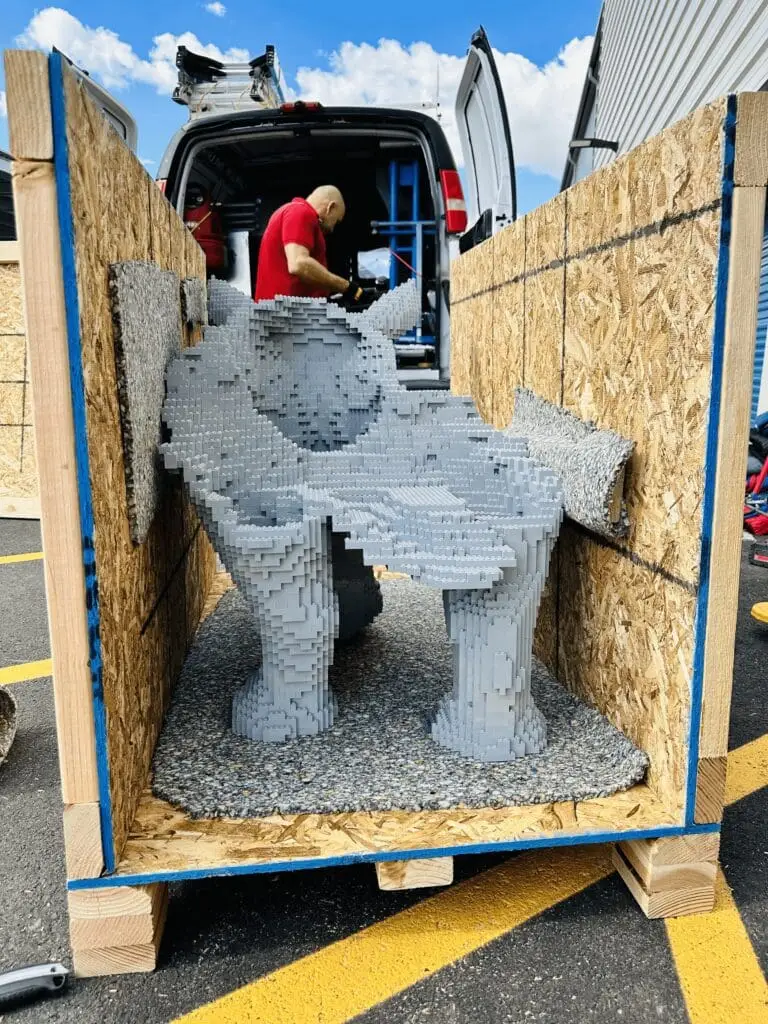
Padding should not be forced into every gap. The packing needs to control movement while avoiding harmful pressure. Glassware, framed artwork and a machine component can require different support arrangements even when they fit in the same-sized enclosure.
- Separate vulnerable projections from hard crate surfaces.
- Keep heavy accessories from striking fragile components.
- Choose contact materials for the surface being protected.
- Allow enough clearance for safe removal.
Plan for the route and environment
Describe the journey, likely transfers and any temporary storage. If the goods have temperature or moisture limits, have the appropriate specialist define them and confirm the required transport service.
Moisture barriers and insulation are specific components, not automatic properties of wooden packaging. A crate cannot make an unsuitable storage location or uncontrolled transport route acceptable for a sensitive object.
Separate export rules from packing performance
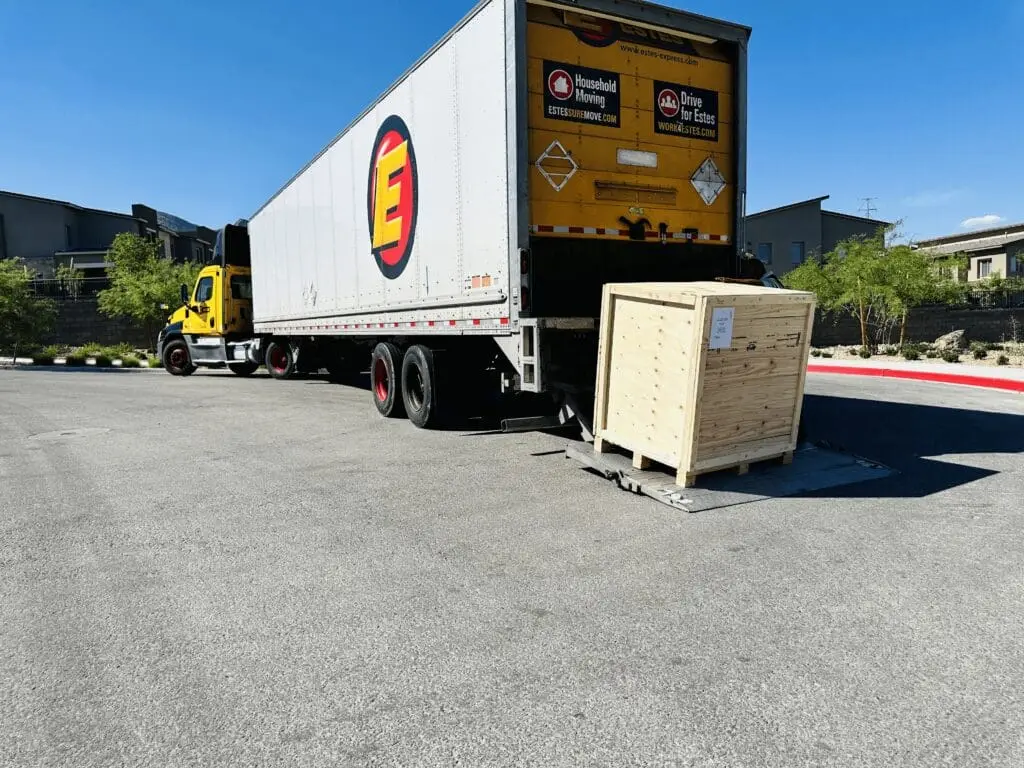
Check whether the destination requires treated and marked regulated wood packaging. Include the base, framing and dunnage in that assessment.
ISPM 15 concerns plant-pest risk, not shock resistance or product compliance. The carrier or broker should also confirm the shipment's documents and acceptance requirements. A professionally built crate does not settle every regulatory question.
Compare professional packing on a complete basis
Ask prospective providers how they would support the specific item, which materials are included and who packs and unloads it. Relevant experience is useful, but the proposal should explain this shipment rather than rely on general guarantees.
Compare construction, packing labor, freight size and weight, and any return journey. Reuse may add value if the crate remains suitable and is inspected between trips. Damage prevention and future savings should be treated as goals, not assured financial outcomes.
PLAN YOUR CRATING
Discuss a fragile-goods packing plan
Contact Crates of Las Vegas about custom crating with your item's vulnerable areas and route details. Include the receiving arrangements so the protective plan extends through unloading and opening.
Discuss your crating projectMORE CRATING GUIDES