
Fragile item protection
Shipping Crates for Fragile Items
Shipping fragile items is challenging because mistakes in packaging, handling, or transportation can lead to costly damage. Glass components, electronics, artwork, medical devices, and precision instruments have different vulnerabilities, even when their outside dimensions are similar.
Custom shipping crates provide an outer structure that can be combined with cargo-specific supports and cushioning. Crates of Las Vegas builds crates for individual shipping requirements. The crate and its internal packaging should be planned together around the item and its journey.
Structural Strength That Helps Reduce Breakage
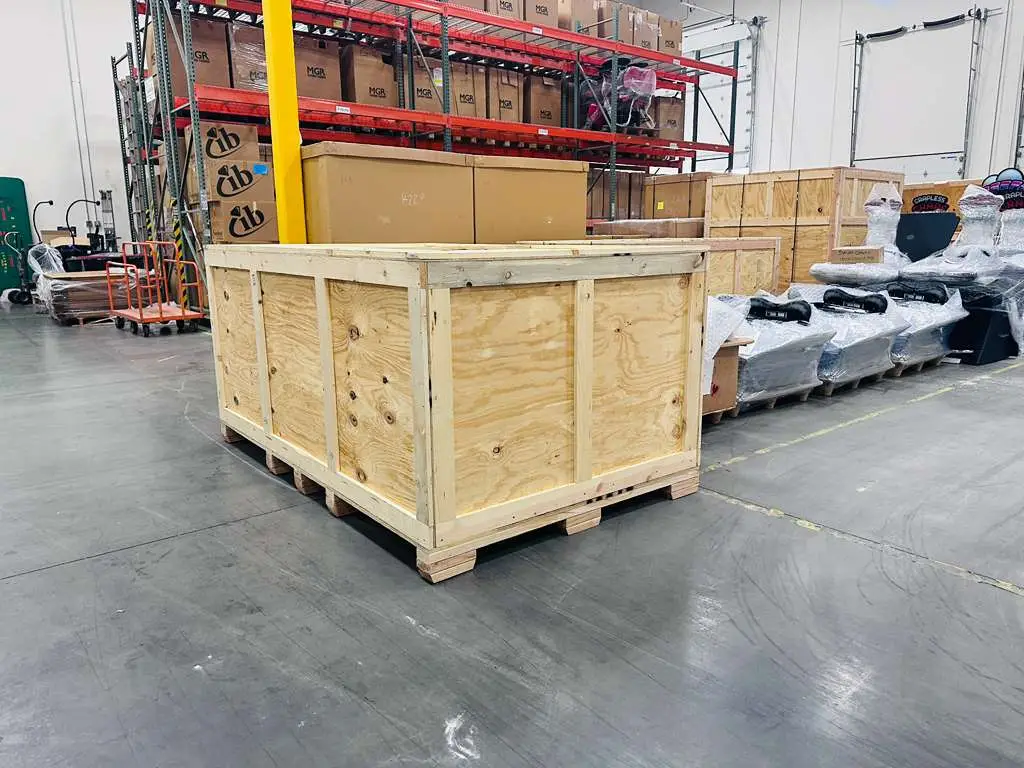
Wooden shipping crates can provide a reinforced outer frame that helps resist contact and pressure during freight handling. That structure is useful where shipments are moved between vehicles, warehouses, and cargo facilities.
The base, panels, joints, and supports need to match the packed load. Strength cannot be judged from appearance alone, and a crate should only be stacked when its design and permitted load support that arrangement.
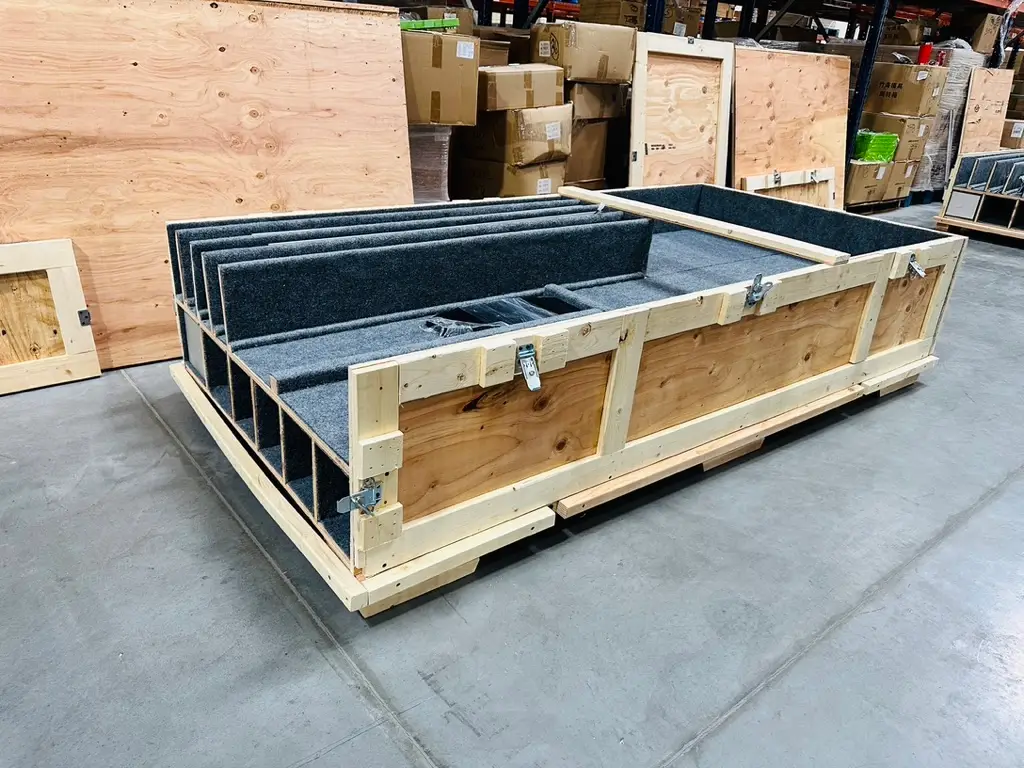
Internal bracing helps limit movement, but fragile contents require careful attention to support points. A clamp, fastener, or brace pressing on a delicate surface can create its own damage risk. Tell the builder about thin edges, projections, finishes, and components that must not bear weight.
Shock and Vibration Protection During Transit
Goods may experience repeated vibration and sudden shocks whether shipped by truck, air, or sea. These forces can affect fragile surfaces and sensitive internal components, even when there is no obvious external damage.
Suitable cushioning can help manage transmitted forces, while blocking and bracing restrain movement. Foam padding or a specialized isolation system needs to be selected for the item, rather than added as a generic layer. A rigid crate by itself does not establish vibration protection.
For precision instruments or medical equipment, provide the manufacturer’s transport and packing instructions. Discuss whether the shipment needs packaging evaluation and what arrival checks the recipient should perform. Do not assume a crate guarantees that calibration or operating condition will be unchanged.
Environmental Protection Against Moisture and Contaminants
Moisture, humidity, dust, and temperature changes may damage fragile cargo as well as heavy equipment. An outer crate can help shield the contents, but a wooden enclosure is not automatically waterproof, airtight, or temperature-controlled.
Protective linings, moisture barriers, and other suitable measures may be needed for the expected route and storage conditions. Identify any surfaces or materials that are sensitive to moisture or direct contact with the wrapping. Long-distance transport and storage before unpacking should be considered together.
For international shipments, confirm applicable wood-packaging requirements. Pest-control treatment does not establish environmental protection for the item inside.
Secure Handling and Clear Instructions
Loading, unloading, and transfers between facilities can introduce damage risks. A suitable crate base and mechanical-handling access reduce the need to move the fragile item directly once it is packed.
Confirm pickup and delivery conditions before construction. Forklift access, available lifting equipment, narrow doors, and the receiving team’s unpacking space can all affect the plan. Any lifting or stacking instructions should match the actual packed item and crate.
Clear orientation and handling labels help communicate that plan. Internal supports should restrain the cargo during expected transport, but labels and bracing do not make tipping or mishandling safe. Agree how removable panels and supports will be opened without damaging the contents.
Evaluating Cost and Damage Prevention
Shipping crates require an initial investment. For fragile goods, the decision should also consider replacement difficulty, repair costs, delivery delays, and the effects of a damaged shipment on the customer.
A suitable crate may help reduce avoidable losses, but savings cannot be assumed for every shipment. Compare the full packing and freight cost with the cargo’s needs rather than selecting a crate solely by its purchase price.
Crating also does not replace a review of transport terms or insurance coverage. Keep condition and packing records, and confirm any documentation requirements before pickup. Those records are especially useful when the item is valuable, irreplaceable, or already has existing damage.
PLAN YOUR CRATING
Discuss a Crate for Your Fragile Item
Fragile-item protection depends on the outer structure, internal supports, cushioning, environmental measures, and handling plan working together. Accurate information at the outset helps the builder address the item’s actual vulnerabilities.
Contact Crates of Las Vegas with dimensions, weight, photos, destination, and any manufacturer instructions. Include close-up photos of delicate surfaces or projections and explain how the recipient will receive and unpack the shipment.
Discuss Fragile-Item CratingMORE CRATING GUIDES