LAS VEGAS · CRATING GUIDE
Custom Wooden Crates for Valuables: A Las Vegas Packing Guide
When an item is valuable, the packing plan needs to reflect both its physical vulnerabilities and the consequences of damage. An antique cabinet, a glass sculpture and sensitive electronics can call for different supports even at similar sizes.
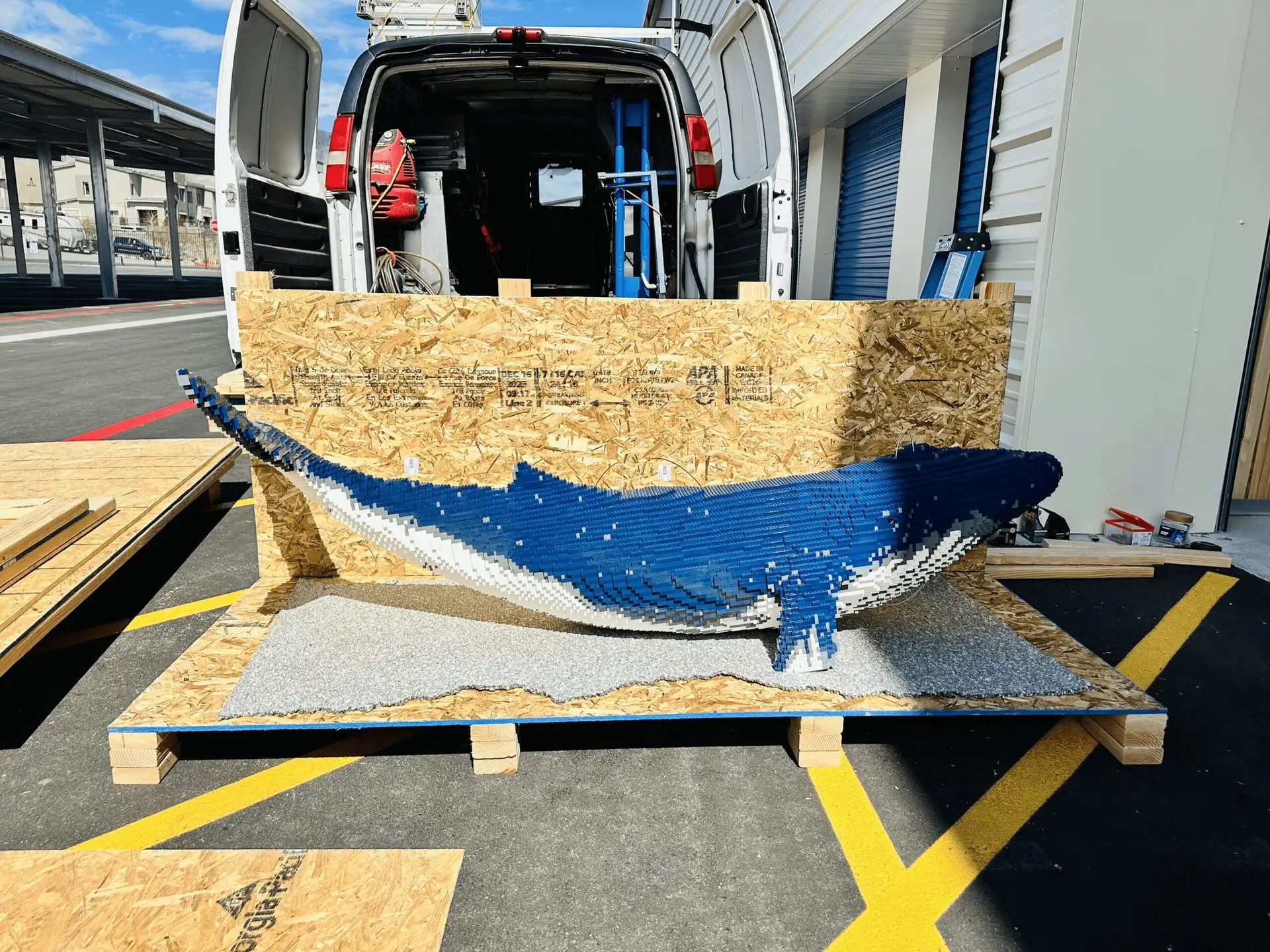
Custom wooden crates offer a way to coordinate those supports with an enclosure and handling base. The design should be reviewed against the full journey and any storage period, rather than judged only by its outer appearance.
Assess condition, dimensions and contact points
Photograph the item and record its condition before packing. Include fragile finishes, loose parts, previous repairs and accessories. Supply reliable weight and measurements in the intended shipping configuration.
Ask an appropriate specialist about uncertain surfaces or structure. Foam inserts and padding should contact suitable areas; neither a tight fit nor a thick wall is a substitute for a safe support plan.
Review durability and reuse realistically
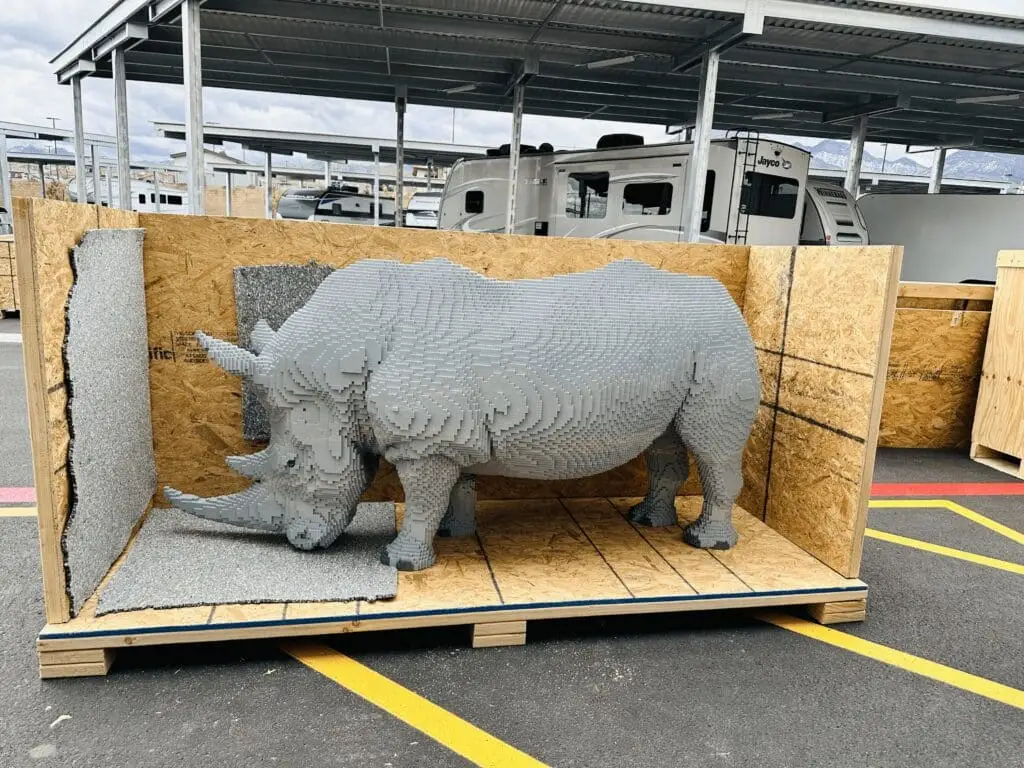
Discuss how the base carries the load and how the crate will be opened and unloaded. Confirm whether repeat use is intended and what closures or replaceable packing components that requires.
Wooden crates can still be damaged. Inspect the base, panels, fasteners and interior supports between trips. Reassess a crate before using it for a different item or substantially different route.
Separate security from physical protection
If locks or tamper-evident seals are needed, ask whether they are available and how they will work with carrier or inspection access. Record seal identifiers and agree who may open the package.
Such features can support a documented handoff but do not make a shipment theft-proof. Discuss the transport service, custody arrangements and insurance separately. Do not place unnecessary descriptions of valuable contents on exterior labels.
Plan the project in four stages
- Assessment: establish the item's condition, requirements, destination and timing.
- Design and packing: agree on support, cushioning, enclosure and opening arrangements.
- Carrier handoff: confirm finished dimensions, gross weight, access and transport responsibilities.
- Receiving or storage: arrange inspection, unloading and any suitable storage environment in advance.
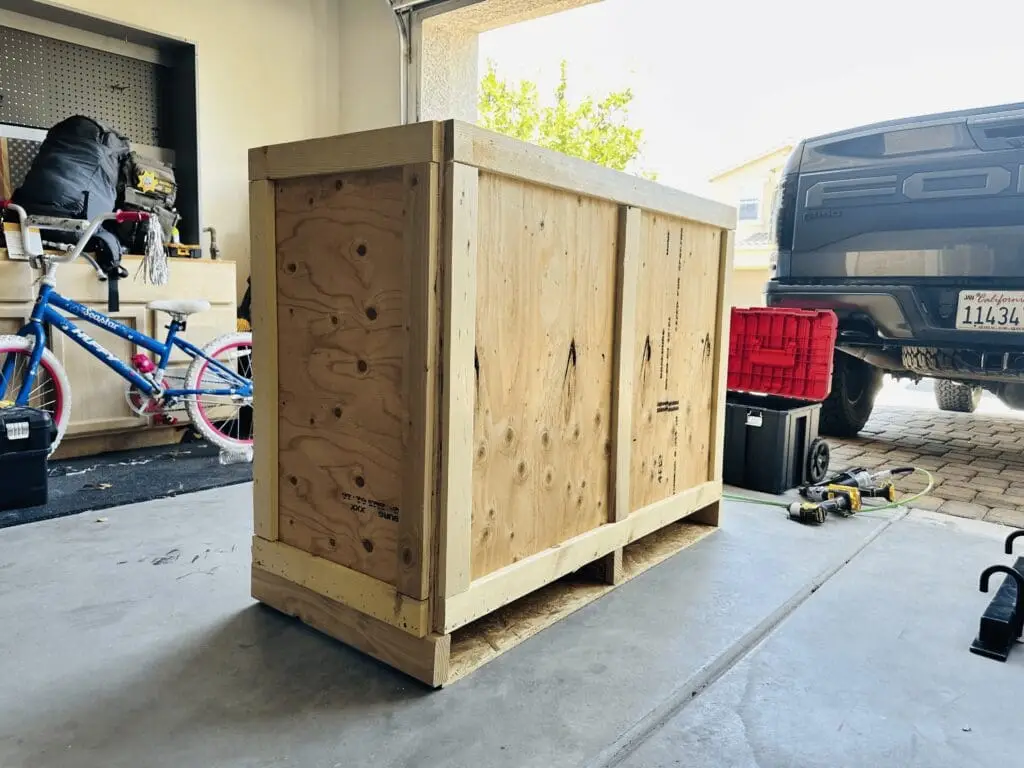
For an export, check applicable wood treatment and marking as well as the cargo documents. Compliant wood packaging does not guarantee customs release.
Confirm storage and service boundaries
A shipping crate does not establish that an item can remain packed indefinitely. Ask the object's specialist about materials, environment and inspection needs for the proposed storage duration.
If storage or climate-controlled transport is required, identify the actual provider and facility conditions. Do not assume those services are included in a crating quote. Confirm production dates, packing labor, freight coordination and insurance in the written scope.
Compare proposals using the same requirements. General claims of speed, security or low prices are less useful than a clear explanation of the protection and responsibilities for your item.
PLAN YOUR CRATING
Discuss a packing plan for your valuables
Contact Crates of Las Vegas about custom wooden crates with photographs, dimensions and route details. Include any storage plans so the project can be assessed beyond the initial pickup.
Discuss your crating projectMORE CRATING GUIDES