

Export Wood Packaging
ISPM 15 Wooden Crates: A Las Vegas Exporter's Guide
If you are shipping machinery, artwork, equipment, or an exhibit overseas, wood packaging needs its own compliance check. A well-built crate may protect the cargo physically while still needing treatment and marking to satisfy the destination's plant-health requirements.
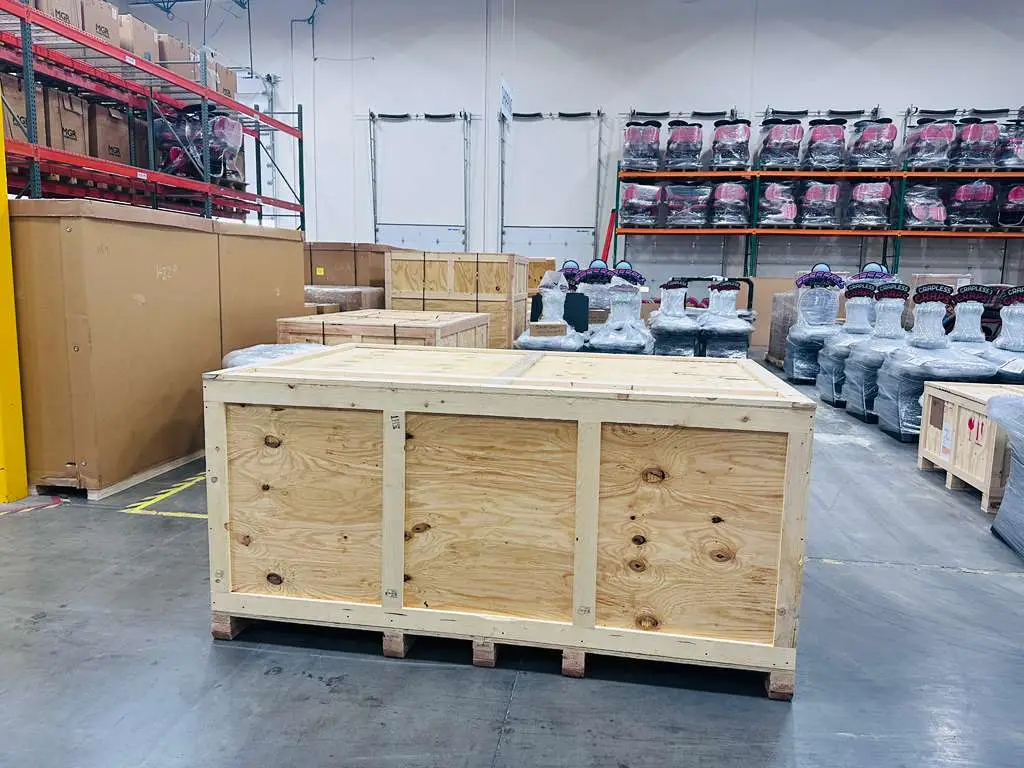
ISPM 15 is the international standard used to reduce pest risks associated with certain wood packaging. For Las Vegas exporters, the practical task is to confirm the destination rules, select suitable packaging, and verify compliance before the shipment leaves.
What ISPM 15 Covers
The International Plant Protection Convention's ISPM 15 standard addresses raw-wood packaging used in international trade. It includes packaging such as crates, pallets, and dunnage, the wood used to support or secure cargo.
Some processed-wood materials, including plywood, are outside the standard's scope. However, plywood walls do not make an entire crate exempt if its base or framing includes regulated solid wood. Review the complete package, including any separate blocking added during loading.
ISPM 15 is a plant-health standard. Its mark does not certify load capacity, moisture protection, temperature control, or the contents of the crate. Those needs require their own packing and transport decisions.
Treatment and the Official Mark
For regulated packaging, compliant treatment and authorized marking work together. Buying heat-treated lumber alone is not the same as obtaining a finished package with the required official mark. USDA APHIS explains the U.S. export program and how to obtain compliant packaging from participating providers.
The official mark identifies the IPPC symbol, country, registered producer or treatment provider, and treatment method. It should be legible and properly applied. The APHIS inspection guidance illustrates what inspectors look for, including incorrect or missing marks and evidence of pests.
Do not create, copy, or add an ISPM 15 stamp yourself. Ask the packaging supplier who is responsible for the authorized treatment and marking and how those details can be verified.
Why Destination Checks Matter for Las Vegas Exporters
A trade show display, a medical device, an industrial machine, and a work of art can all travel in wood packaging. The cargo's purpose does not by itself answer which packaging rules apply.
APHIS advises exporters to establish whether the destination requires ISPM 15 compliance. Confirm the route and current requirements with your freight forwarder or broker before ordering the crate. Keep the packaging discussion separate from requirements for the goods, shipping documents, and import clearance.
Noncompliant packaging can disrupt a shipment. For example, APHIS describes possible re-export or supervised destruction of noncompliant wood packaging entering the United States. The destination authority determines the action in its jurisdiction; a supplier cannot promise that a stamped crate will avoid every inspection or delay.
Design Export Crates for High-Value Cargo
Treatment compliance does not replace thoughtful crate design. The cargo still needs a base that supports its weight, suitable lifting access, and packing that limits unwanted movement without damaging delicate surfaces.
Share the item's dimensions, weight, photographs, and manufacturer handling instructions. Identify sensitive parts, approved support points, orientation restrictions, and any need for moisture or temperature protection.
For a long journey, discuss the expected handling stages and how the receiver will open the crate. A crate for repeated exhibition use may need a different access and repacking arrangement from one that will be opened once at an industrial facility.
Avoid Common Export-Crating Mistakes
Before release, check the following:
- Confirm the destination's requirements rather than assuming all routes follow the same rules
- Review the base, framing, pallets, and loading dunnage as well as the visible panels
- Verify that required marks are present and readable
- Inspect for damage, pest evidence, or changes since the package was prepared
- Keep the packing plan aligned with the cargo's support and handling needs
- Give the forwarder the final package dimensions, weight, and relevant supplier information
An older crate is not automatically noncompliant just because it has been used. APHIS states that the treatment does not have a routine expiration date. Repairs, replacement wood, or remanufacturing need a fresh compliance review with a registered provider; do not rely on an old mark after making changes. See the APHIS reuse guidance.
Choose a Provider With a Clear Export Scope
Ask the crating provider to specify the materials, interior protection, treatment and marking arrangements, and packing work included in the quote. Confirm who handles collection, freight booking, and export documentation.
The delivery schedule also needs to be agreed. Build in time for measurements, fabrication, packing, and any required treatment rather than assuming same-day or weekend service will be available.
A useful provider discussion should leave you with a clear packaging plan and a list of responsibilities. Your forwarder or broker can then coordinate the remaining shipment requirements.
For broader guidance, see our ISPM 15 crate requirements guide. For service details, see our ISPM-15 crating service.
PLAN YOUR CRATING
Request an Export-Crating Quote in Las Vegas
Crates of Las Vegas provides custom wooden crating. Share your destination, cargo details, handling requirements, and required date, and ask the team to confirm the appropriate export-packaging and marking arrangements for your shipment.
Contact Crates of Las Vegas to discuss an item-specific export-crating quote before you book the freight.
Request a Crating QuoteMORE CRATING GUIDES



