
LAS VEGAS · CRATING GUIDE
How Wood Crates Add Aesthetic Value to Shipments
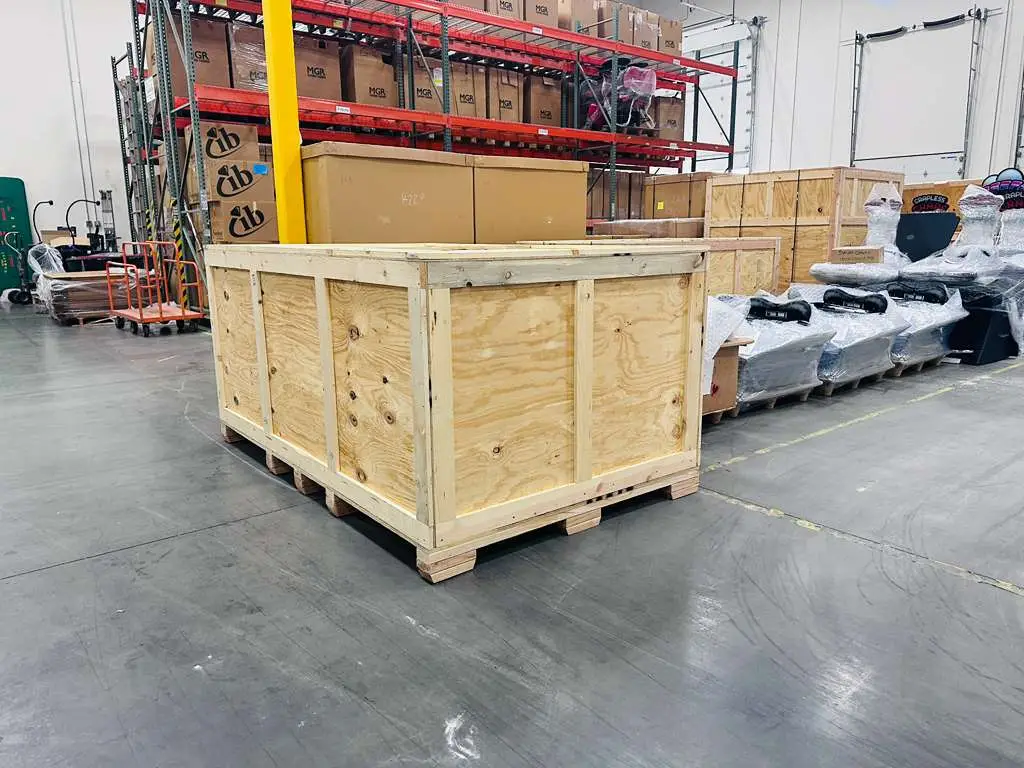
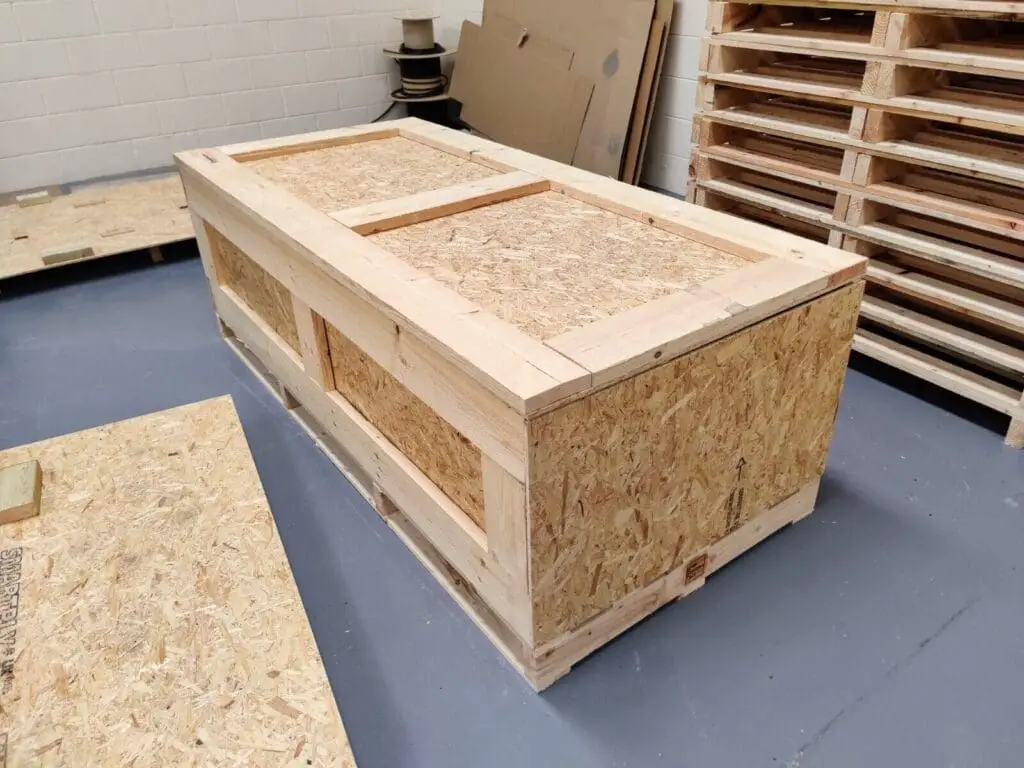
Wood crates can add texture and character to a shipment, particularly when the product already emphasizes craftsmanship or a distinctive presentation. The strongest design pairs that visual impression with an opening process the recipient can understand.
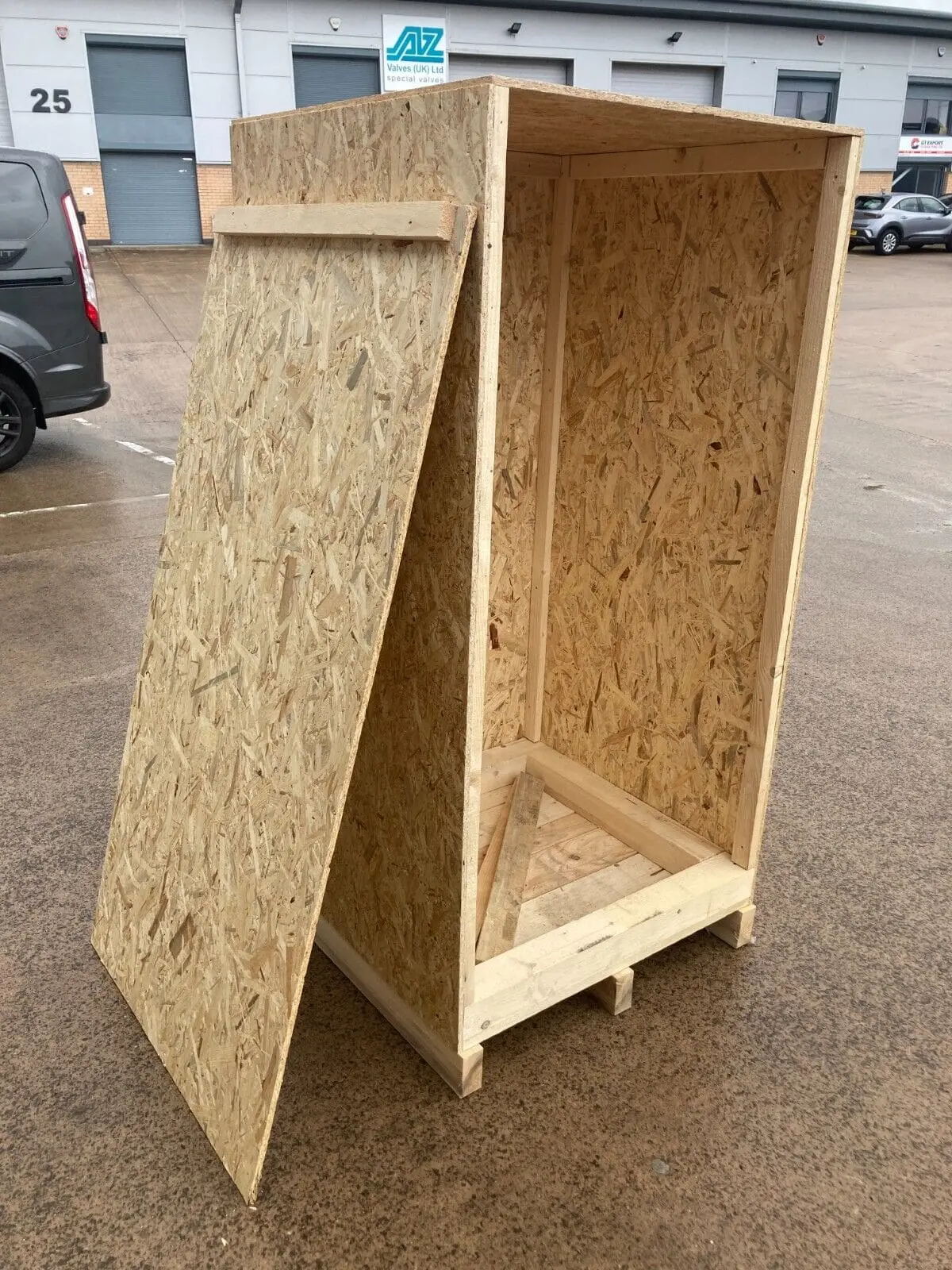
Appearance is one part of a good package. The crate still has to support its contents, fit the transport plan and arrive with readable handling information. Start with those requirements, then decide how the finish and branding can complement them.
Use the material to reinforce your brand
Visible grain, simple panels and a restrained label can communicate a different feel from a highly polished presentation case. Choose an approach that suits the product and its audience rather than treating rustic styling as a universal upgrade.
A useful creative brief includes a reference image, brand colors, logo artwork and the intended viewing distance. Ask the fabricator which finishing or labeling options are practical. Engraving, printing and specialty finishes are options to investigate, not services to assume are included in a standard freight crate.
Make the first opening straightforward
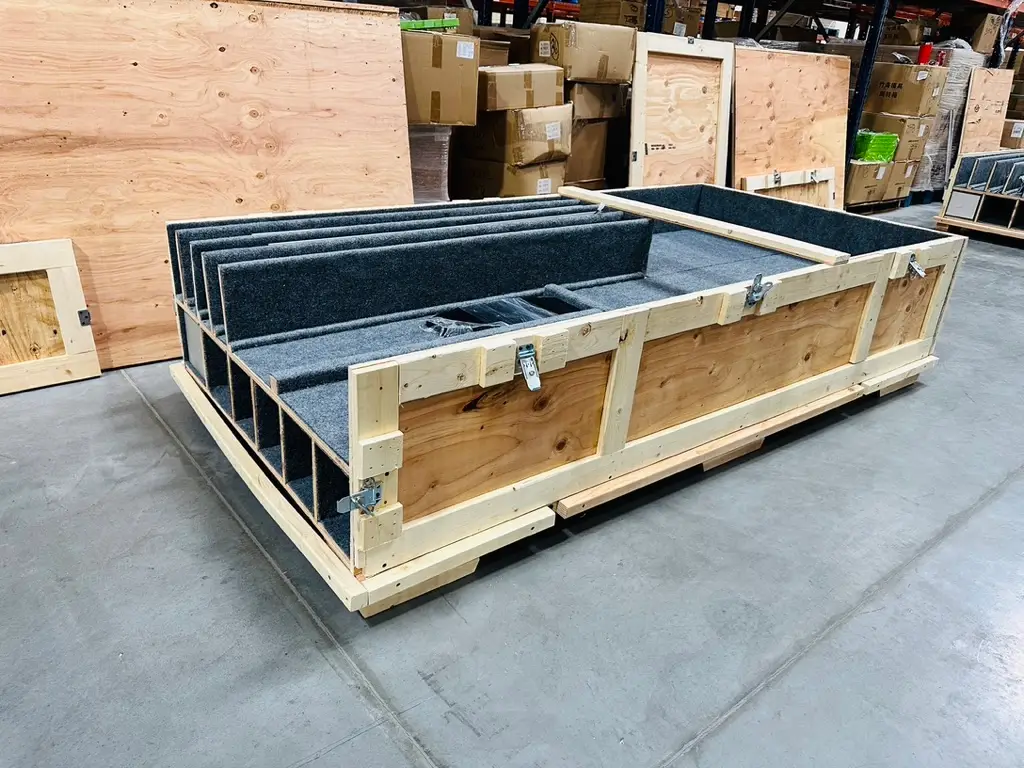
A visually impressive package can still frustrate its recipient if the opening panel is unclear or the tools are missing. Plan the handoff as carefully as the exterior.
- Identify the removable panel and the order in which components should come out.
- State any tools, lifting equipment or additional people needed before opening.
- Keep small accessories together and label their location.
- Provide a packing diagram when the crate is intended for a return journey.
- Place the product's care information where it can be found before handling delicate surfaces.
These details give the recipient practical evidence of care. They also help a receiving team distinguish decorative features from parts needed to secure the load.
Tell a concise story without crowding the crate
A short product note or reusable information card can explain who made the item and how to care for it. Keep the story specific. Avoid unsupported claims about customer loyalty, superior quality or the environmental benefits of a particular material.
On the outer panels, give shipping labels and handling instructions priority. If the crate is export packaging, consult the provider before applying paint or branding near required treatment marks. A clear, uncluttered layout is easier for both customers and freight handlers to use.
Describe environmental choices accurately
Wood's appearance does not establish responsible sourcing or a lower footprint. If an environmental feature matters to the brand, ask for evidence and describe the specific feature rather than labeling the whole package environmentally friendly.
The FTC's Green Guides summary explains why broad environmental claims need qualification. A documented reuse plan or precise material statement is more useful than a sweeping promise.
Plan the transition from shipping to display
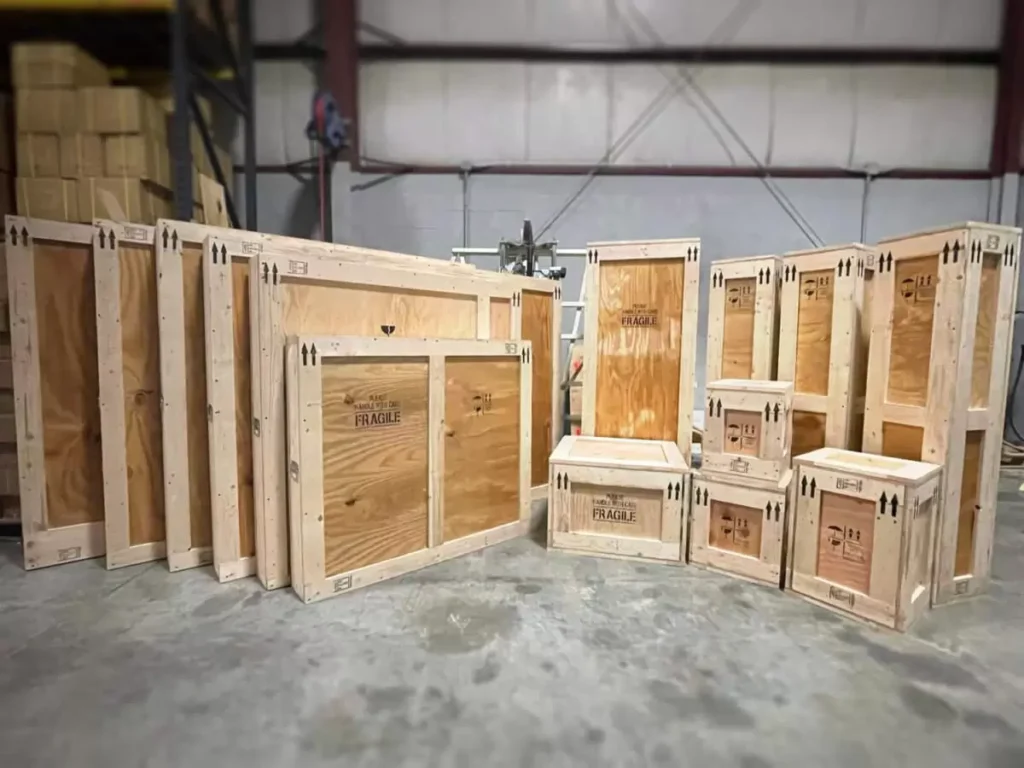
A crate can become part of a retail or exhibition display when that purpose is considered during design. Confirm the appearance of exposed surfaces, the way panels are removed and where transport hardware will remain visible. Inspect the structure after transit before putting it into public use.
Do not assume a used shipping crate is safe for seating, overhead installation or supporting heavy display items. Those uses need their own assessment. If the display will travel again, save the fitted packing and keep a record of how the item was secured.
PLAN YOUR CRATING
Discuss presentation and protection together
Explore custom packaging and share the product dimensions, shipping route and presentation references with Crates of Las Vegas. Explain whether the recipient will discard, store, return or display the crate so the proposal can address the full experience.
Discuss your crating projectMORE CRATING GUIDES