

LAS VEGAS · CRATING GUIDE
How to Ship Artwork and Mirrors Safely: Crating Tips from Las Vegas
Shipping artwork and mirrors is very different from shipping ordinary freight. A framed painting, decorative mirror, canvas, sculpture, or hotel artwork may look secure, yet even a small amount of vibration, pressure, or impact during transportation can cause cracked glass, damaged frames, torn canvas, chipped corners, or complete loss of the piece. For galleries, interior designers, hotels, collectors, and businesses in Las Vegas, Henderson, Summerlin, and North Las Vegas, proper packing and crating help reduce the risk of damage and restoration costs.
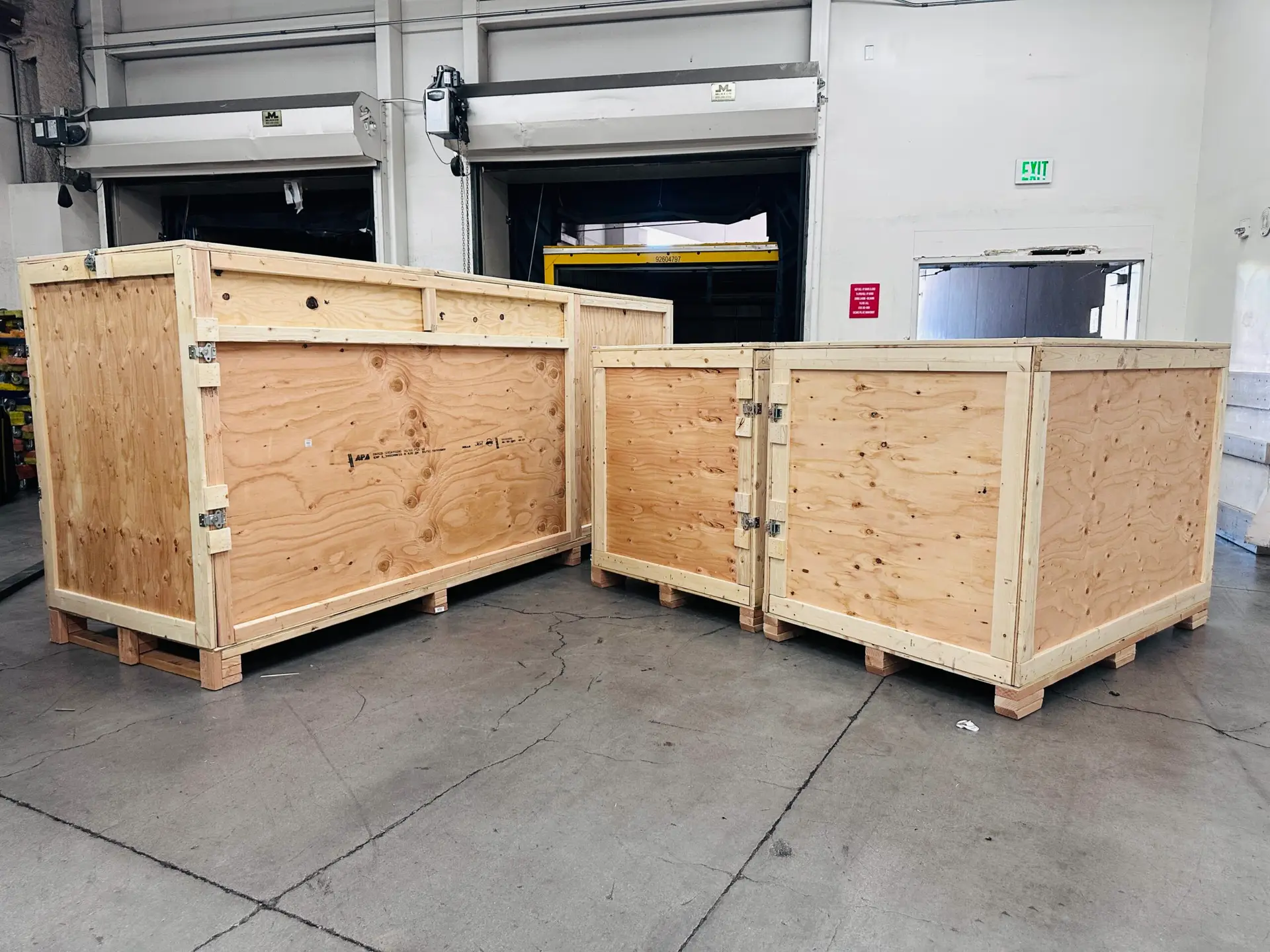
At Crates of Las Vegas, we regularly build custom crates for fine art, oversized mirrors, casino artwork, trade show displays, and high-value decorative pieces moving locally, nationally, and internationally. Plan support, spacing, and structural protection for the individual piece before selecting packing materials.
This guide explains the professional crating methods Las Vegas experts use to protect artwork and mirrors during LTL freight, air freight, white-glove delivery, and export shipping.
Why Artwork and Mirrors Are More Vulnerable Than Most Freight
Artwork and mirrors fail in ways that are not always obvious. A heavy machine can often survive a minor bump, but a framed painting or large mirror may be damaged by continuous vibration, twisting pressure, or uneven support. Glass can crack from flexing rather than direct impact, and stretched canvas can deform if pressure is applied to the face of the artwork. In the Las Vegas hospitality and interior design industry, many pieces are oversized, custom framed, or irreplaceable.
Hotel renovations, casino installations, and luxury residential projects often involve artwork worth far more than the shipping cost itself. Because these items are frequently transferred between warehouses, trucks, elevators, and installation crews, they experience multiple handling points where damage can occur. Temperature and moisture also matter. A mirror shipped in a non-protective package may develop edge damage, while artwork exposed to humidity can suffer warping, mold, or adhesive failure.
The goal of professional crating is to provide suitable support, limit unwanted shifting, and keep external pressure away from vulnerable surfaces. Environmental protection requires a separate plan matched to the artwork. Understanding these risks is the first step toward choosing the right packing and crating strategy.
Step 1: Protect the Surface Before You Build the Crate
Choose the first-contact materials for the actual surface and condition of the piece. Do not assume that bubble wrap, glassine, tissue, or plastic can safely touch every painting, photograph, gilded frame, or specialty finish. Fragile, flaking, recently painted, or unusually finished works may need a conservator’s advice and a travel frame that keeps all wrapping clear of the surface.
For mirrors, identify the glass, backing, frame, and any applied finishes before choosing compatible surface and edge protection. Keep adhesive tape and hard packing materials off sensitive surfaces unless the maker or a conservator specifies otherwise.
Use layered protection: a suitable barrier or no-contact support, edge protection, cushioning, and structural restraint. Delicate frames, ornamentation, and shadow-box elements should be isolated so packing loads are carried by parts that can safely support them. CCI’s painting-wrapping guidance explains why preparation depends on the painting and its condition.
Step 2: Create a Floating Interior System
A cushioned interior system can separate a vulnerable piece from the outer crate. The artwork or mirror should never be pressed tightly against the walls of the crate. Its support and clearance should be designed for the piece, using suitable mounts, spacers, or cushioning. For framed artwork, foam blocks are positioned around the frame so the piece remains centered without touching the crate walls. For large mirrors, the support points must be placed where the frame is structurally strongest, not at the weakest decorative sections.
This helps limit flexing during transport. For oversized mirrors, confirm that the support system suits the glass, frame, and intended orientation. A mirror that is fully supported on the back but allowed to flex at the edges is far more likely to crack during handling. The space between the artwork and the crate acts as a shock-absorption zone. When the crate experiences impact or vibration, suitable cushioning can reduce the shock reaching the artwork; vibration performance depends on the complete loaded system.
This is why professional crates often appear larger than the item inside—they are designed for protection, not minimal dimensions.
Step 3: Use the Right Crate Style for the Shipment
Not every artwork shipment requires the same type of crate, as the right solution depends on the piece’s size, value, fragility, and shipping method. Soft packs or mirror packs are generally suitable for local white-glove deliveries and short-distance transportation of lower-risk items, while closed wood crates are the most common choice for framed artwork, mirrors, and valuable decorative pieces moving by LTL or air freight.
For museum-quality artwork, oversized mirrors, and highly fragile installations, a specialist should evaluate the support and cushioning system rather than selecting foam by thickness or density alone. For international shipments, check treatment and marking requirements for regulated solid wood packaging. Compliance with those plant-health rules does not establish the crate’s structural performance. For galleries, hotels, designers, and private collectors in Las Vegas, we most often recommend a closed custom wood crate with internal foam suspension when the item and route require enclosure.
Moisture protection and export suitability must be assessed separately.
Step 4: Reinforce Large Mirrors and Oversized Artwork
Large mirrors require special treatment because the glass can flex under its own weight. A common failure occurs when a mirror is carried flat or when the frame twists during lifting. Follow the mirror maker’s or specialist handler’s requirements for orientation and support. Backers, mounts, and frame reinforcement should be selected from the piece’s construction and condition; there is no universal 48-inch threshold. Oversized artwork may also need cross-bracing to prevent the crate itself from flexing.
In North Las Vegas freight and warehouse operations, oversized pieces are often moved by forklift. The crate must be designed for the specified lifting direction and handling equipment; clearly identify the approved entry points. Reinforced skids, thicker plywood, and internal bracing become critical for shipments going through LTL terminals. Another important rule is to avoid packing multiple heavy mirrors face-to-face without engineered separators. If one piece shifts, it can damage both items simultaneously.
Step 5: Control Vibration, Moisture, and Long-Distance Risk
Long-distance shipping introduces risks that are often not obvious during the packing process, as continuous road vibration, temperature fluctuations, and humidity changes can affect artwork and mirrors over several days or even weeks in transit. For valuable shipments leaving Las Vegas for other states or international destinations, discuss cushioning, barriers, and any monitoring devices with the packing specialist. High-density foam alone does not establish vibration isolation, and desiccants should be selected within an appropriate environmental-control plan. Moisture control is especially important for canvas artwork, wood frames, and mirrored surfaces with exposed edges because condensation can develop inside poorly protected packaging even when the shipment is never directly exposed to water. For international freight, verify the applicable wood-packaging rules. ISPM-15 treatment addresses pest risk; it does not improve or certify structural strength.
Step 6: Labeling and Handling Instructions Matter
A perfectly packed crate can still be mishandled if it is not clearly identified, which is why professional art crates should display visible handling instructions on multiple sides. Recommended markings include FRAGILE, FINE ART, GLASS / MIRROR, THIS SIDE UP, DO NOT STACK, and TEAM LIFT or weight information when applicable. For white-glove and installation deliveries in Las Vegas hotels, galleries, and commercial properties, labeling should also include the destination room, floor, or installation area to minimize unnecessary movement after delivery and reduce the risk of damage during handling.
While clear labeling cannot guarantee careful treatment, it communicates the intended handling method. Confirm non-stacking or special handling with the carrier instead of relying only on a label.
Step 7: Document the Artwork Before It Ships
Before sealing the crate, it is important to thoroughly document the artwork or mirror by photographing the front of the piece, the back, frame corners, any existing damage, the internal packing and foam placement, and the completed crate itself. For high-value artwork, you should also keep a copy of the dimensions, condition report, and any serial or inventory numbers associated with the piece. Proper documentation is essential for insurance purposes and provides both the shipper and the recipient with a clear, verifiable record of the item’s condition before transit, helping to reduce disputes and support any claims if damage occurs during transportation.
Conclusion
Shipping artwork and mirrors safely requires much more than bubble wrap and a cardboard box. The key principles are surface protection, floating support, custom foam cushioning, rigid closed crating, vibration control, and proper handling preparation. For businesses, galleries, hotels, designers, and collectors in Las Vegas, Henderson, Summerlin, and North Las Vegas, item-specific packing and crating can help protect valuable and irreplaceable pieces during local delivery, LTL freight, air freight, and international shipping. The packing plan should reflect the piece’s materials, condition, transport route, and receiving arrangements.
Further Reading
PLAN YOUR CRATING
Plan Your Shipment
Share the item’s dimensions, weight, photographs, destination, shipping method, and handling requirements when requesting a quote. Review fine art crating, custom packaging services to discuss the packing approach that fits your shipment.
Request a Crating QuoteMORE CRATING GUIDES



