

Heat-Sensitive Shipping
Shipping Fragile Items in Las Vegas Heat: What Wooden Crates Can Do
Las Vegas summer heat adds an important question to any fragile shipment: what temperatures can the item tolerate during loading, storage, and transport? Artwork, electronics, antiques, and sensitive equipment may need protection from both physical handling and environmental exposure.
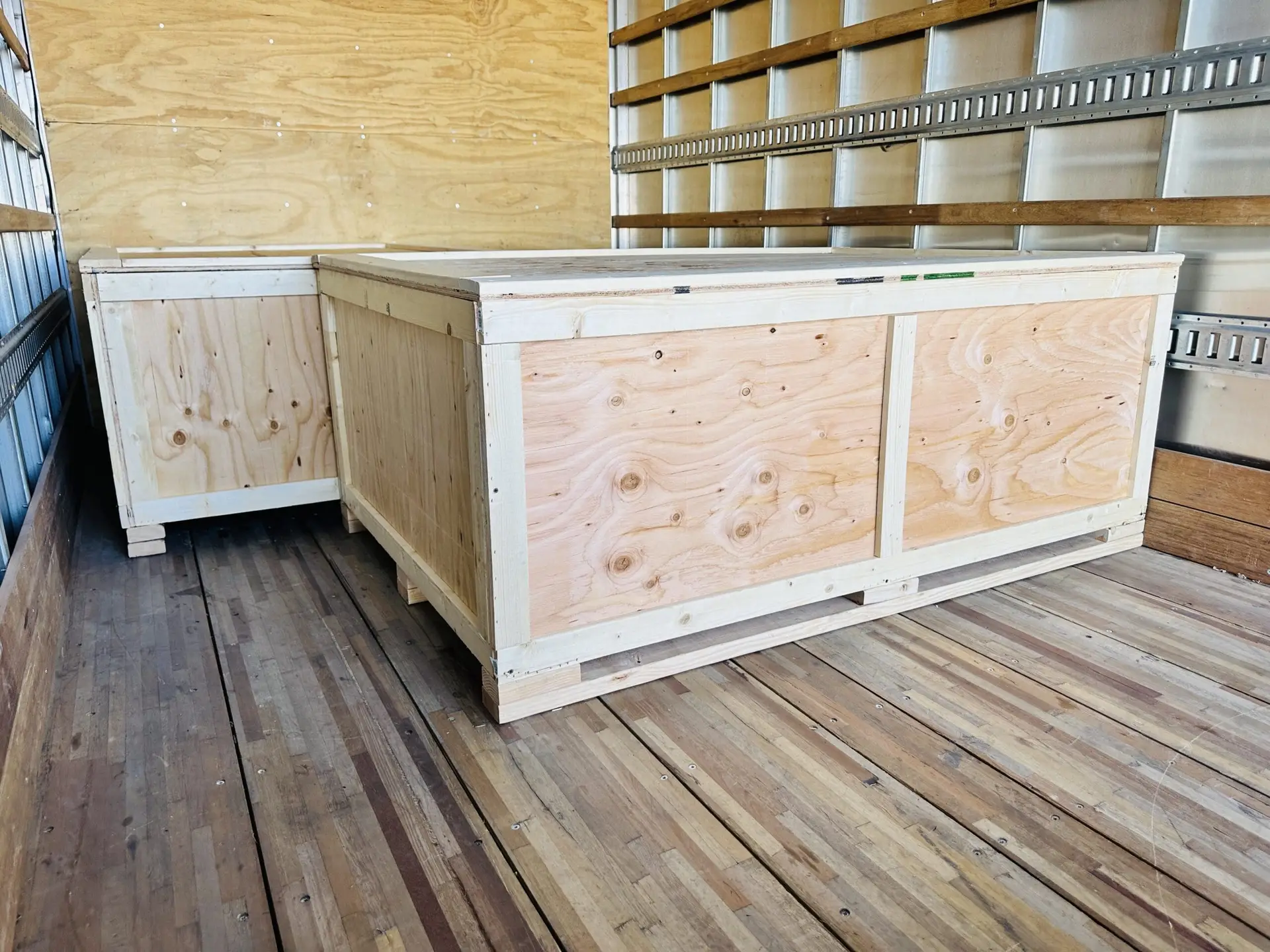
A custom wooden crate can provide a protective shell and a way to secure the cargo. It cannot, by itself, keep an item within a required temperature range. The best plan combines suitable crating with packing materials, a transport service, and handling arrangements that match the item's needs.
Understand the Heat Risks Along the Route
The National Weather Service's Las Vegas climate summary describes summer temperatures reaching triple digits. The relevant exposure for a shipment also includes time spent on a loading dock, in a parked vehicle, or in storage before the next transfer.
Check the manufacturer's storage and transport limits. For artwork or antiques, ask the owner or conservator about vulnerable surfaces, adhesives, and permitted environmental conditions. A packing plan should account for temperature and humidity changes rather than treating every fragile item alike.
Do not assume the freight service provides climate control. FedEx's freight guidance, for example, states that its truck cargo areas are not temperature controlled. Confirm the conditions offered by the carrier you will actually use.
Understand the Limits of a Wooden Thermal Buffer
Wood has lower thermal conductivity than metals such as steel and aluminum, but common insulation materials perform differently. Its thermal behavior also varies with moisture, density, and other factors, as explained in the USDA Forest Products Laboratory's Wood Handbook.
A wooden enclosure may slow some heat transfer and shield cargo from direct sunlight. That is not evidence that a particular crate will hold a safe temperature for a particular journey. Heat can still reach the contents over time, and the whole packaging system matters.
If the item requires a defined temperature range, discuss an appropriately designed and verified thermal-packaging solution and any required controlled transport or storage. Carrier resources such as FedEx's temperature-sensitive packaging guidance distinguish dedicated thermal packaging from an ordinary outer container.
Choose Interior Protection for the Item
The crate interior must manage movement and contact as well as environmental needs. Blocking, bracing, and cushioning should support suitable areas of the cargo without concentrating pressure on fragile edges, panels, or finishes.
Useful planning questions include:
- Which surfaces may touch the packing materials?
- Are there manufacturer-approved support or tie-down points?
- Must loose components be removed and packed separately?
- Does the item require moisture protection or a monitored temperature range?
- Is ventilation appropriate, or would it conflict with a specified barrier system?
- How should the receiver unpack and handle the item after delivery?
Ventilation, moisture barriers, insulation, and cushioning have different purposes. Adding one does not automatically solve the others. Have the builder coordinate the interior with the item's transport instructions rather than relying on a generic foam lining or tightly fitted shell.
Specify Protection for Dust, Weather, and Handling
A sturdy wooden crate can help resist contact and handling damage. It should not be described as weatherproof simply because its panels are substantial or its base is reinforced.
Tell the builder whether the shipment could encounter rain, blowing dust, outdoor staging, or extended storage. If a cover, liner, sealed barrier, or other treatment is needed, make it an explicit part of the packing specification. Wood itself exchanges moisture with its surroundings; the Wood Handbook explains why moisture conditions affect its performance.
For heavy equipment, the base and restraint system must also suit the weight and lifting method. Physical strength and heat protection are separate design requirements, and both should be reviewed before the crate is closed.
Plan for Long-Distance and Export Exposure
A short drive across Las Vegas and a multi-stage international journey can require different plans. Include pickup, terminal storage, transfers, delivery, and foreseeable delays when discussing exposure time with the carrier and packaging provider.
For export, review destination wood-packaging rules as a separate requirement. An ISPM 15 treatment mark concerns plant-health compliance; it does not establish the crate's thermal performance. The IPPC's description of ISPM 15 explains its pest-risk purpose.
Before booking, confirm who is responsible for temperature-controlled services, any monitoring, covered staging, and the delivery appointment. A crate should support the transport plan rather than substitute for it.
PLAN YOUR CRATING
Plan Crating for Your Heat-Sensitive Shipment
Crates of Las Vegas offers custom wooden crating based on the cargo's dimensions and protection requirements. Share the item's weight, fragile areas, temperature limits, route, and timing so the team can discuss the crating portion of the shipment.
Contact Crates of Las Vegas to request a quote and identify which packing and transport arrangements need to be confirmed for your cargo.
Request a Crating QuoteMORE CRATING GUIDES



