
LAS VEGAS · HIGH-VALUE FREIGHT
How Custom Shipping Crates Are Designed to Protect High-Value Freight
High-value freight can include precision machinery, medical devices, aerospace components, electronics, and fine art. Each shipment brings its own combination of weight, geometry, fragile surfaces, sensitive assemblies, and handling restrictions.
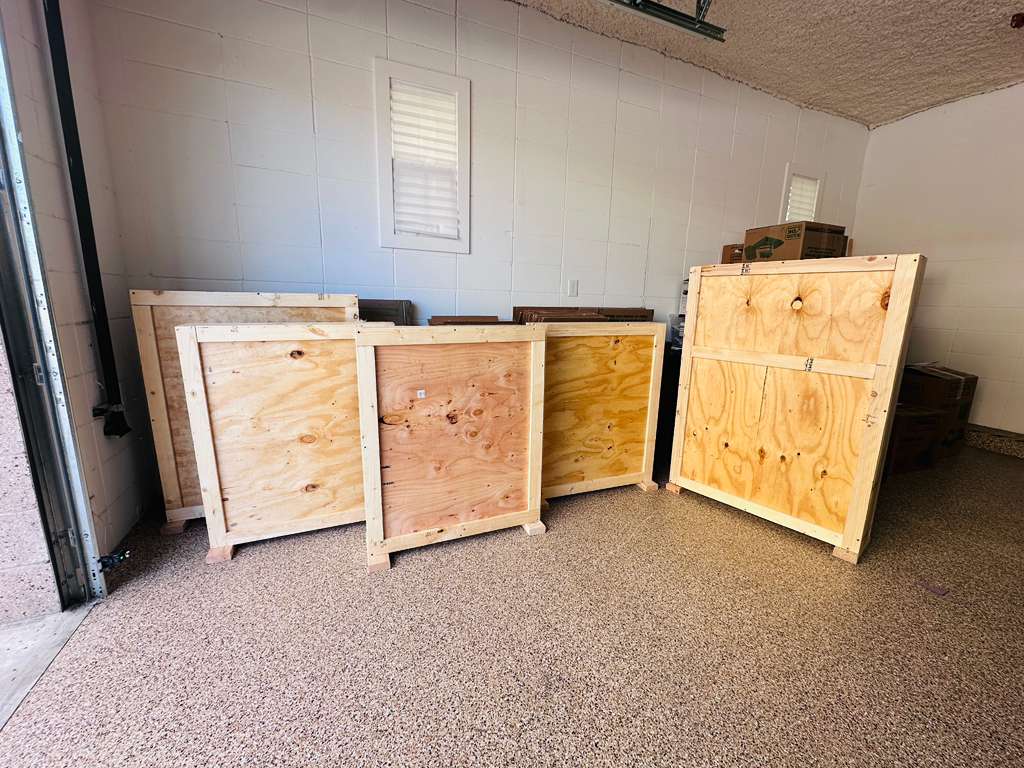
A custom shipping crate brings those requirements into a coordinated package. Structural support, internal restraint, selected cushioning, environmental protection, and clear handling instructions all contribute to reducing transport risk. The design must also suit the route and the equipment available to load and unload it.
For businesses in Las Vegas, good preparation begins before a crate is built. Establish what the cargo needs, agree on the scope of work, and provide the same packing and handling information to everyone involved through delivery.
The Design Process Behind Custom Shipping Crates
Assess the Cargo and Its Risks
Begin with verified dimensions and weight, center-of-gravity information where available, approved support and lifting points, and any orientation limits. Identify fragile projections, sensitive controls, finishes, removable parts, and components that must not carry restraint loads.
Review the manufacturer's transport requirements and document the equipment's initial condition. The packing plan should also describe road, air, sea, or combined transport, likely transfers, storage duration, and environmental limits.
For heavy, asymmetrical, or particularly sensitive equipment, a project may need specialist structural calculations, modeling, or a detailed handling review. Agree on those requirements with qualified personnel. These methods should not be implied merely by calling a crate custom-built.
Select the Structure and Materials
The base and frame carry the load through the intended support points. Timber, plywood, metal reinforcement, fasteners, and internal bracing should be selected for their role in that structure. Material grade, connection design, geometry, and condition all affect the result.
Forklift access, skids, and any lifting attachments need to match the finished packed weight and the planned handling equipment. Confirm stacking restrictions and any required load ratings. A transport-testing standard is not a universal capacity rating for a crate or forklift channel.
The enclosure should also be practical to open, inspect, and repack without damaging the contents. Where repeated use is expected, specify suitable closures and preserve the packing method for the next crew.
Stabilize the Cargo and Manage Vibration
Blocking, cradles, brackets, and other restraints limit unwanted movement through appropriate structural points. Fitted cushioning or elastomeric supports may be useful for sensitive assemblies when selected for their load and response requirements.
The goal is to manage relative motion and transmitted forces without creating damaging pressure or interference. Rigid restraint and vibration isolation need to work together; more foam or tighter contact is not automatically an improvement. Manufacturer instructions should guide the handling of calibrated instruments, optical assemblies, and other sensitive components.
Agree on Testing and Quality Checks
Where a project requires validation, define the intended distribution environment, test plan, acceptance criteria, and documentation before fabrication. Inspection of a completed crate and formal performance testing are different activities and should be described accurately.
ASTM D4169 provides a basis for laboratory evaluation of shipping units through selected distribution hazards. ISTA's procedures have specific shipment scopes; for example, Procedure 3E addresses similar packaged products in unitized truckload shipments. Select a suitable procedure with the responsible specialist rather than assigning one to every industrial crate.
Keep agreed drawings, material specifications, inspection records, and any actual test reports with the shipment records. References to standards or management systems do not establish that a particular crate was tested or a provider holds certification.
Build Protection in Layers
Support the Load and Protect Vulnerable Surfaces
The main structure supports the cargo, while internal protection addresses contact and handling exposure. Precision equipment may need fitted cradles or selected cushioning; heavy motors or assemblies may require robust support at approved mounting points. Protectors must be compatible with finishes, connectors, seals, and other contact surfaces.
For fragile objects and artwork, use the owner's or a qualified specialist's guidance on support and contact materials. A packing method suitable for industrial machinery may be inappropriate for a delicate surface or composite object.
Manage Moisture and Contamination
Export or long-duration shipments may need vapor barriers, desiccants, compatible corrosion inhibitors, or protective liners. Select these as a coordinated system based on the cargo, route, and storage period. Where useful, humidity indicators can provide information about conditions inside the package.
Sealed barriers, ventilation, and pressure-management features have different purposes. They should be specified for the shipment rather than combined without a clear design. A wooden crate does not maintain controlled temperature or humidity; arrange suitable transport or storage when the equipment requires it.
Review the Applicable Shipment Rules
For export, establish the destination's requirements for regulated wood packaging and source it through a compliant provider. The IPPC's ISPM 15 overview describes the standard's wood-pest focus. Physical protection, cargo documentation, and any product-specific export requirements remain separate considerations.
If the cargo includes regulated items such as batteries or other dangerous goods, have qualified personnel determine the applicable packing and transport requirements. General crating guidance cannot establish that classification or compliance. Likewise, customer or manufacturer requirements for medical equipment must be confirmed for the actual device and shipment.
Document Responsibilities and Coverage
A layered packing plan works best when it is reflected in the agreed service scope. Identify who prepares the equipment, fabricates and packs the crate, loads it, arranges transport, and inspects the delivery.
Review the carrier's terms and any insurance coverage directly. Appropriate packaging can support risk management, but it does not by itself preserve every warranty, reduce premiums, or guarantee a claim outcome.
Coordinate Professional Crating with Industrial Logistics
Match the Package to the Transport Plan
Confirm the likely terminals, transfer points, vehicle or container arrangement, and handling equipment. Heavy-lift services, particular trailer configurations, and environmental controls should be booked when the cargo requires them and confirmed in the transport scope.
The carrier must secure the packed load appropriately during the road movement. The FMCSA cargo-securement rules distinguish general requirements from cargo-specific provisions. Internal bracing inside the crate does not complete the carrier's vehicle-securement task.
Tailor the Details to the Equipment
Machinery may need model-specific shipping restraints and support for rigging. Electronics may need a manufacturer-approved static-protection system and carefully selected cushioning. Medical and laboratory equipment may require documented preparation, cleanliness controls, receiving inspection, and recommissioning by qualified personnel.
These requirements should come from the equipment documentation and shipment scope. An industry label alone does not determine the right crate, testing method, or regulatory obligations.
Consider On-Site Crating
On-site work may reduce an additional move for equipment that is difficult to transport unprotected. Confirm access, available workspace, lifting support, and the sequence of equipment preparation and packing. Coordinate timing with the venue, factory, or warehouse so the crate can be built and loaded without avoidable handling changes.
Improve Repeatability
Clear lift locations, accessible identification, organized packing lists, and opening instructions help different crews follow the same plan. Reusable supports and documented layouts can make recurring shipments more consistent when the cargo and route remain suitable.
Review receiving feedback and any damage or handling issues before the next trip. Changes should be based on the actual finding rather than simply adding material or making the crate heavier.
Protective Features Worth Discussing
Shock and Vibration Isolation
Selected foam, elastomeric mounts, or other isolation features may help sensitive cargo where the load and vibration environment justify them. Ask how the proposal addresses the equipment's requirements and what evidence supports any claimed performance.
Structural Reinforcement
Reinforced framing, cross-members, metal brackets, and suitable bases can help carry loads through the intended structure. Qualified review may be needed for unusual geometry, heavy loads, or specific lifting arrangements. Confirm any stacking limitations rather than assuming a reinforced crate can support additional freight.
Environmental and Static Protection
Discuss barrier materials, corrosion protection, and liners based on the equipment and expected exposure. Electronics may need compatible ESD-protective packaging, while valuable artifacts may require specialist-approved contact materials. Protection against dust or moisture should not be presented as a guarantee of temperature control.
Handling Instructions and Monitoring
Mark the intended orientation, fork-entry or lifting locations, and other handling restrictions. Shock or tilt indicators and data loggers may provide useful condition information when appropriate to the shipment. They record or indicate exposure; they do not prevent damage or establish its cause by themselves.
Agree on how any monitoring device will be set up, checked, and documented. Combine that information with pre-shipment photographs, delivery inspection, and equipment checks when evaluating the shipment's condition.
Plan High-Value Shipments from Las Vegas
Las Vegas shipments can include reusable convention exhibits, stage and lighting equipment, production machinery, and precision components. Each needs a packing plan that works with venue access, carrier requirements, and the receiving location.
If the route uses Harry Reid International Airport, confirm the actual carrier and cargo-terminal instructions. The airport adopted its current name in 2021, as recorded in the airport authority's announcement. Route-specific requirements should be checked with the relevant operator rather than inferred from general local knowledge.
For recurring exports, standardized crate designs and packing records may improve consistency. Inspect reusable packaging, review any changes in cargo or route, and coordinate repairs and wood-packaging requirements before reuse. Export-control questions belong with the shipper's qualified compliance team; a crate specification alone cannot resolve them.
Good coordination aims to protect the equipment and reduce avoidable rework across the shipment. Delivery timing, costs, and readiness for installation still depend on the actual services, conditions, and receiving checks.
PLAN YOUR CRATING
Discuss a Custom Crate for High-Value Freight
Crates of Las Vegas can discuss custom wooden crates and packing requirements for high-value or oversized cargo. Provide dimensions, weight, photographs, transport instructions, the route, and any required testing or documentation so the project scope can be assessed.
Contact Crates of Las Vegas to discuss your packing plan and request a tailored quote.
Request a custom freight crate quoteMORE CRATING GUIDES