LAS VEGAS · CRATING GUIDE
Custom Crates for Fragile and Oversized Items
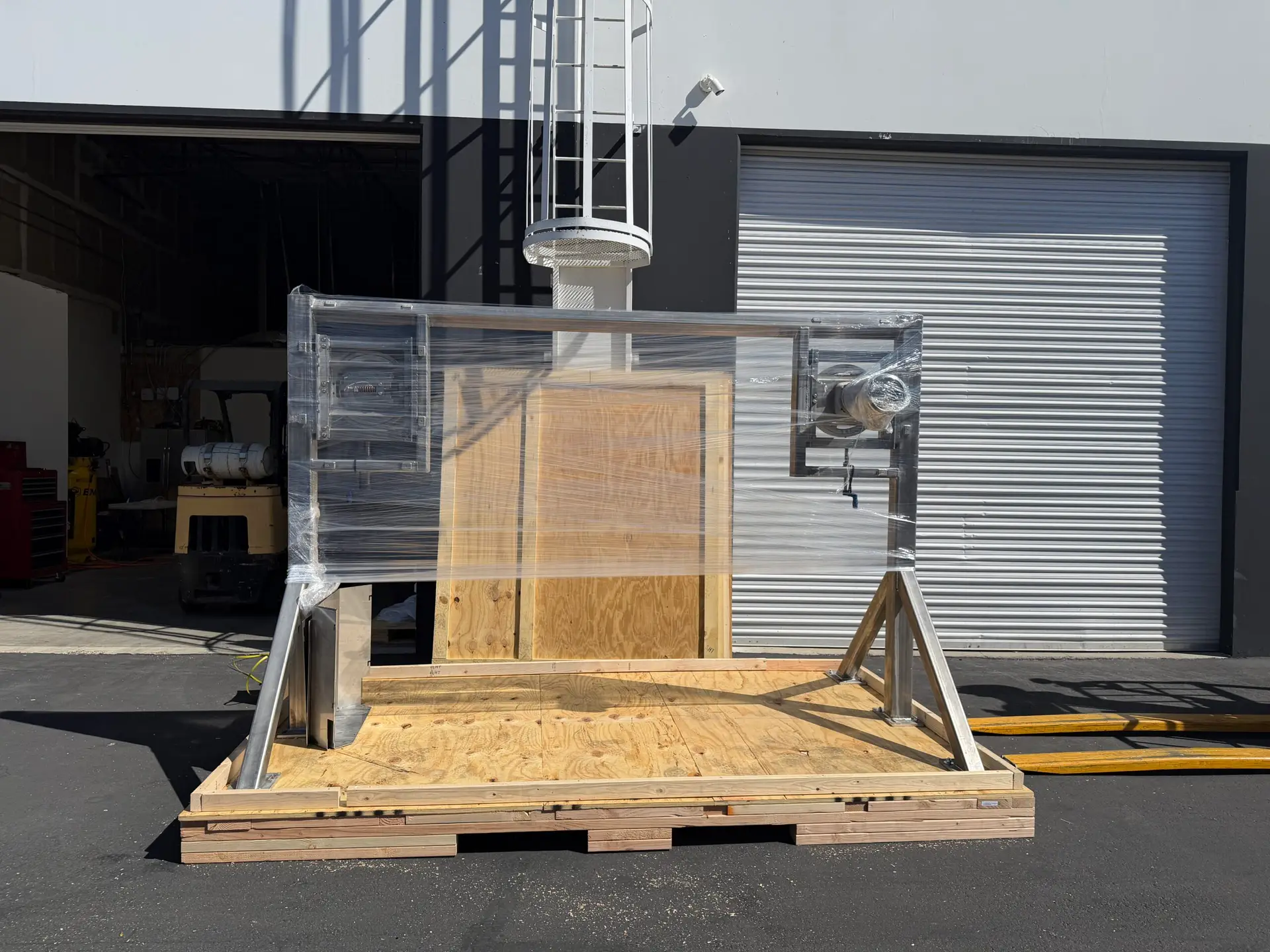
Fragile and oversized items need more than an enclosure large enough to contain them. The crate must support the load, limit harmful movement and protect vulnerable surfaces while remaining practical to lift and open. Custom crating brings those requirements into one packing plan.

A sculpture, a medical device and a machine may all need custom packaging, but their supports and cushioning can be very different. Begin with the item's characteristics and the expected journey rather than a standard material list.
Identify what makes the item difficult to ship
Fragility can involve glass, delicate finishes, projecting parts or components sensitive to shock. Oversized shipments add questions about balance, access and handling equipment. Some items combine both sets of risks.
- Record dimensions, weight and the shipping orientation.
- Identify weak areas and surfaces that must remain free of pressure.
- Provide approved support and lifting points when available.
- Explain the expected route, transfers and any storage.
Photographs help show shape and access, but they are not a substitute for reliable measurements or equipment-specific instructions.
Allow room for protection, not unwanted movement
The interior should be sized around the item and its protective system. A useful fit leaves the space required for cushioning and safe removal while restraining movement at suitable support points. Pressing a fragile object tightly against rigid walls can create its own risks.
Dividers or separate compartments may be appropriate for multiple pieces. Heavy accessories should not be left loose beside delicate surfaces, and any removable parts need an inventory so the receiver can check them.

Give the outer structure and base distinct jobs
The base supports the load and provides the interface for handling. The enclosure helps shield the contents from contact with other freight. Those components need to be designed together, including how the shipment will be lifted and whether any stacking is permitted.
A wood enclosure is not automatically waterproof. Discuss moisture exposure and appropriate additional protection for the route. Avoid relying on a coating or a sealed-looking lid as evidence that every environmental risk has been addressed.
Select cushioning and restraints for the load
Cushioning, blocking and bracing have different roles. Cushioning can help manage shocks; restraints control movement. Their performance depends on the item and design. Loose fill or extra bubble wrap should not be assumed to support a heavy machine or secure an irregular sculpture.
FedEx's freight packing guidance discusses cushioning and internal blocking and bracing. For a valuable or unusual object, ask the packing provider to explain how the proposed arrangement supports the item and how it will be removed at destination.
Check international wood-packaging requirements
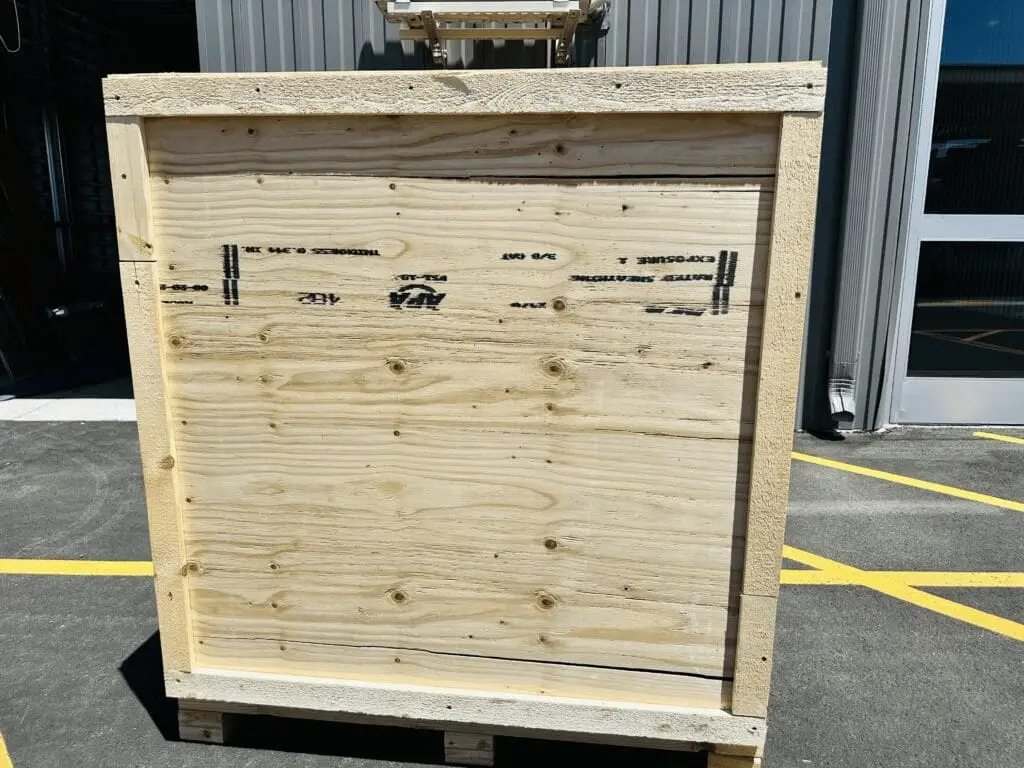
ISPM 15 addresses pest risks associated with regulated wood packaging in international trade. It is separate from a crate's structural design and does not guarantee damage-free transport or customs clearance. The IPPC's official standard overview explains its scope.
Tell the provider the destination before fabrication, and confirm applicable treatment and marking requirements with the freight team. Cargo documents, carrier acceptance and any item-specific import rules still need attention.
PLAN YOUR CRATING
Plan protection for your fragile or oversized item
Share photos, dimensions, weight, handling instructions and destination details with Crates of Las Vegas. Include the pickup and unloading arrangements so the crate can be considered as part of the whole shipment.
Discuss your crating projectMORE CRATING GUIDES