

Exhibit protection
How Custom Crates Protect Exhibits at CES & Major Vegas Events
An exhibit can pass through several loading, staging and handling points before it reaches a Las Vegas show floor. Screens, glass, electronics, framing and finished display panels may each need a different packing arrangement. A crate designed around those components can help reduce damage and make repacking more organized.
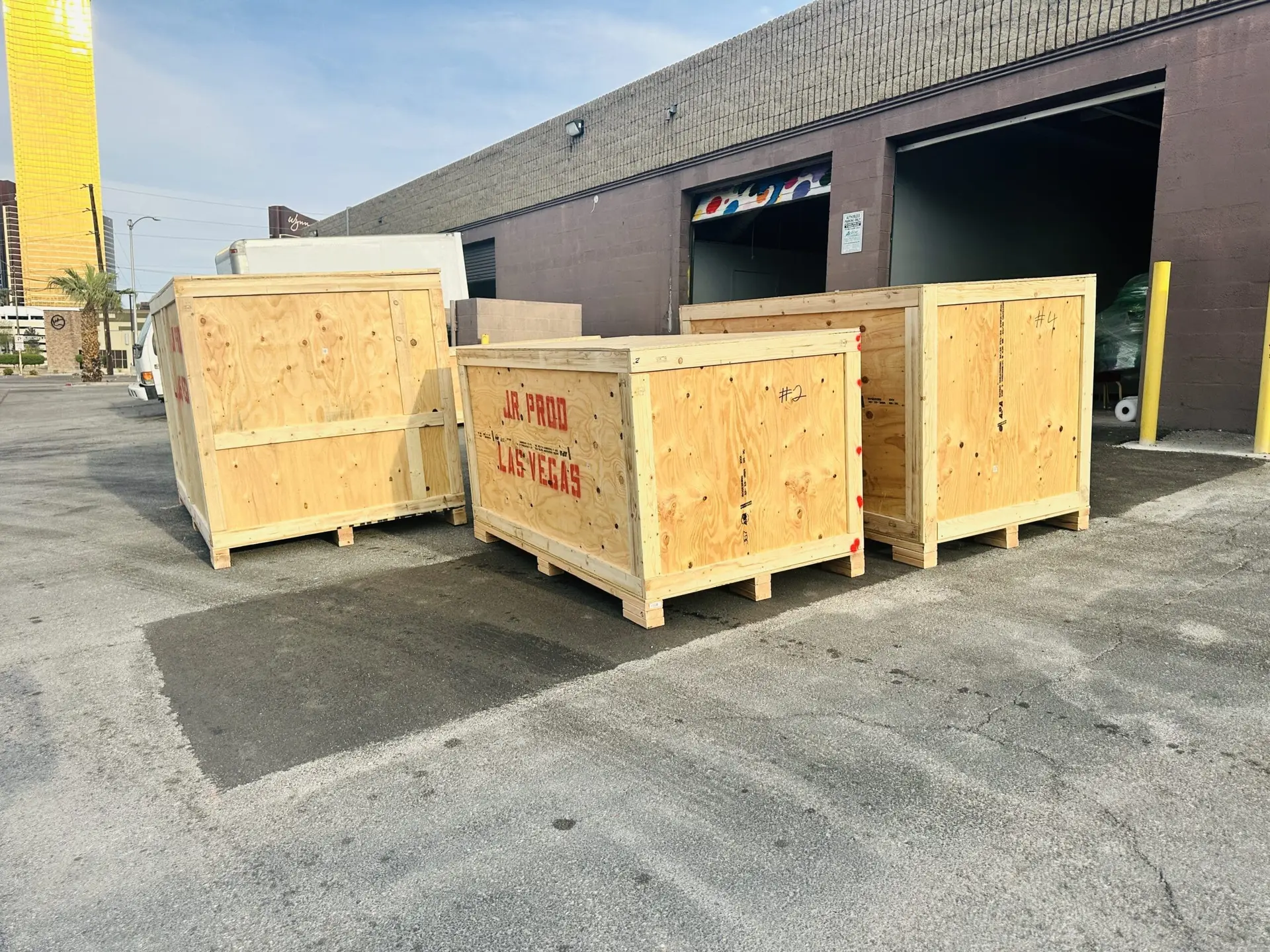
For CES and other major events, packaging and event logistics need to be planned together. A strong crate cannot resolve an incorrect delivery address, missed receiving window or incomplete outbound arrangement.
Why Major Vegas Events Need Careful Crating
Trade show shipments face practical risks throughout the journey:
- Impacts during loading, unloading and freight transfers
- Scratches or cracked surfaces where components touch
- Loose hardware or missing display parts
- Setup delays when a component arrives damaged
A custom crate can support the actual load and keep vulnerable components separated. Its size, base and access points should also suit the handling equipment expected along the route.
Do not assume every event or venue follows the same process. Use the organizer's current instructions for the particular show, building and booth.
Protecting Different Exhibit Components
A modular display may combine strong structural pieces with delicate surfaces. Depending on the exhibit, useful design features include:
- Bracing attached to appropriate load-bearing points
- Cushioning compatible with screens and finished surfaces
- Separate spaces for small components and hardware
- Reinforced supports for heavy or oversized sections
- A packing diagram that shows where each piece belongs
A packing inventory helps the receiving team check the shipment and return the display to its intended supports after the show. Reusable hardware should remain accessible without forcing staff to pry against a finished component.
Repeated-use crates still need inspection. Check fasteners, panels, skids and cushioning before the next event, and reassess the interior whenever the exhibit changes.
Wood Packaging for International Exhibitors
Regulated solid-wood packaging entering the United States needs appropriate treatment and an authorized ISPM-15 mark. Material and origin exceptions matter; consult USDA APHIS import guidance for the actual route.
This requirement concerns the packaging, not whether an exhibit is attending CES. A domestic shipment does not become subject to ISPM-15 merely because it is going to a major event. Customs documentation and any requirements for the exhibit itself need separate review.
Plan the return journey too. Replacing damaged solid-wood components may require compliance review before the crate is used internationally again.
On-Site and Warehouse Crating Options
On-site crating may be useful when a display is assembled, difficult to move unprotected, or too large for an economical intermediate transfer. Confirm that the location has enough workspace and that the proposed activity is permitted.
Warehouse crating may suit modular exhibits, multiple repeatable components or projects that benefit from fabrication and packing in one facility. The uncrated transfer to that facility still needs a protection plan.
A combined approach can work: fabricate components in advance, pack a large assembly at its location and prepare smaller sections separately. Confirm measurements, crate numbering and collection arrangements across the whole shipment.
Reducing Setup Problems and Avoidable Costs
Good crate planning can reduce searching, repacking errors and unnecessary handling. It does not guarantee lower material-handling charges or faster access to the booth.
Before dispatch:
- Confirm advance-warehouse versus direct-to-show routing
- Use the required show, exhibitor and booth labels
- Check the assigned receiving window and venue instructions
- Plan empty-crate storage and return access
- Confirm outbound paperwork and carrier collection arrangements
For CES, the official exhibitor manuals provide venue-specific shipping and service information. Use the manual for the correct event year rather than copying a previous show's dates or charges.
Frequently Asked Questions
Why use custom crates for CES exhibits?
They can separate and support components with different weights, shapes and surface sensitivities during repeated freight handling.
Does every CES exhibitor need ISPM-15 packaging?
No. Applicability depends on the packaging materials and international route, not the event name.
Can the crates travel to several events?
Yes, if designed for repeat use and kept in suitable condition. Inspect the interior and hardware before each trip.
Which exhibits benefit most?
Large screens, glass, finished panels, unusual installations and heavy components often need a more specific packing design.
Does crating replace the venue's freight process?
No. Follow the show's receiving, material-handling, storage and outbound requirements separately.
PLAN YOUR CRATING
Plan Crating for Your Next Las Vegas Exhibit
Share your component list, photos, dimensions, weights and show manual with Crates of Las Vegas. Discuss exhibit crating before arranging freight so the packing and delivery plans fit together.
Discuss your shipmentMORE CRATING GUIDES



