Shipping risk reduction
How Crate Shipping Reduces Risks
Shipping valuable, fragile, or oversized goods comes with risks: impact, vibration, moisture, improper handling, and regulatory delays. Whether you’re moving industrial machinery, medical devices, artwork, or commercial equipment, the packaging method you choose affects how well the shipment is protected.
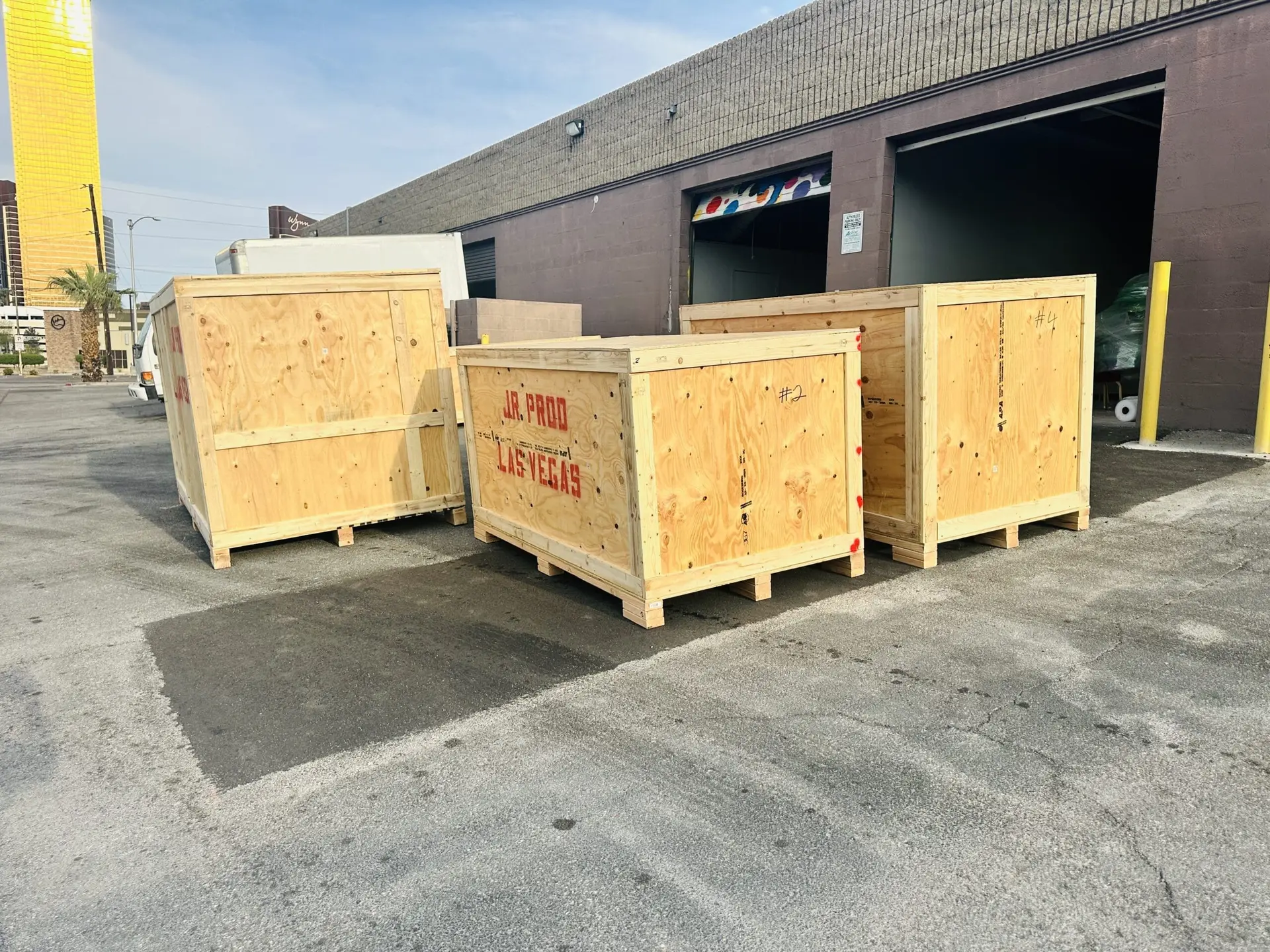
Custom crating combines an outer structure with supports selected for the cargo and its route. Crates of Las Vegas builds crates around individual shipping requirements. A well-planned crate can reduce avoidable damage, but its performance depends on the design, packing, handling, and conditions encountered in transit.
Structural Protection Against Physical Impact
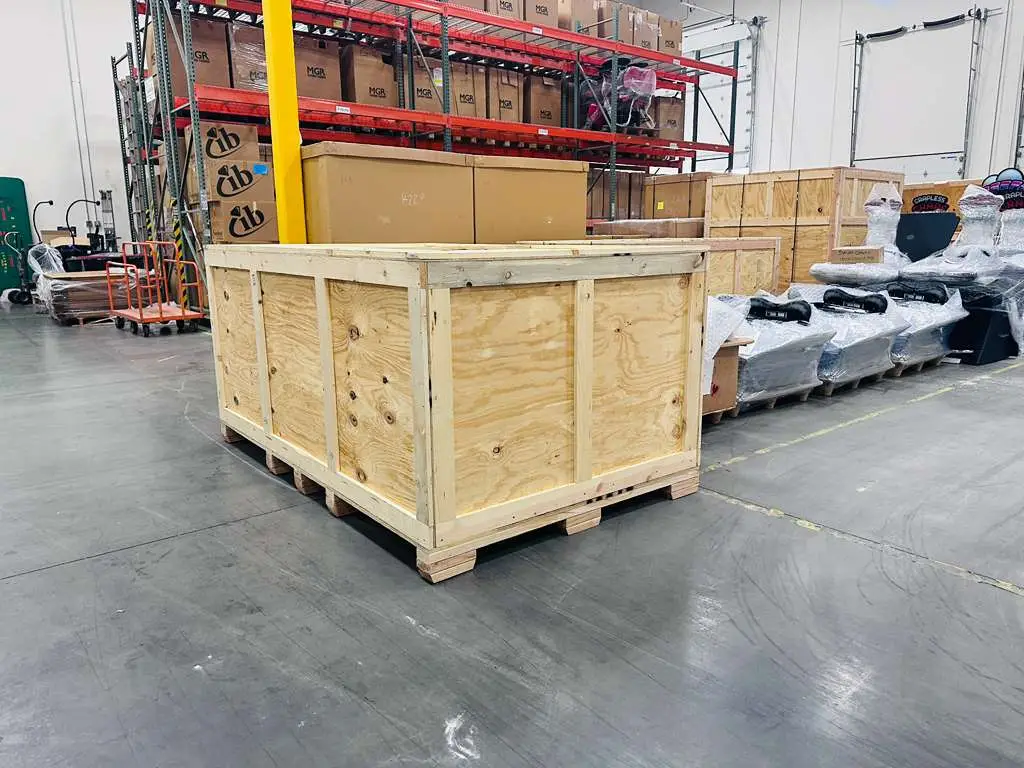
Drops, collisions, and pressure from other freight can damage a shipment during handling and transport. A wooden crate provides a rigid outer enclosure that helps shield the contents from direct contact. Reinforced panels, corner bracing, and a suitable load-bearing base work together to support the shipment.
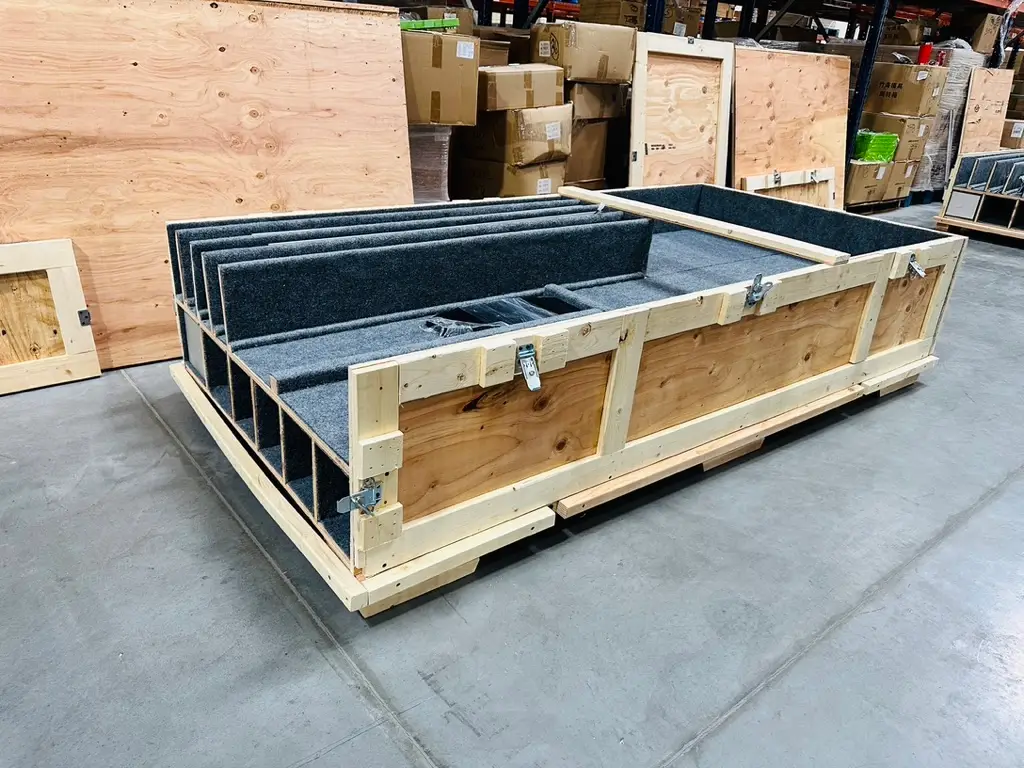
This is especially important where goods transfer between warehouses, trucks, and cargo facilities. Internal blocking and bracing help limit movement that could cause the item to strike the crate or another component. The design should account for the item’s weight, fragility, geometry, and approved support points.
A crate should not be assumed to withstand unlimited impact or stacking. Its construction and any permitted top load need to match the planned shipping conditions. Carrier crate-construction guidance can help frame the discussion with the builder.
Vibration and Shock Reduction During Transit
Continuous vibration and sudden shocks can affect sensitive electronics, precision instruments, and fragile components during trucking, air freight, or ocean transport. A rigid shell alone does not establish how much shock reaches the product.
Internal cushioning, such as suitable foam or a specified isolation system, must be selected around the item’s weight and sensitivity. Blocking and bracing restrain movement; cushioning serves a different purpose by helping manage transmitted forces. Materials and supports need to work together without pressing on delicate surfaces.
For healthcare, aerospace, or manufacturing equipment, share the manufacturer’s packing and transport instructions with the crating provider. Discuss any testing or inspection needed for the shipment rather than assuming crating guarantees that equipment will arrive calibrated or fully operational.
Environmental Protection Against Moisture and Contaminants
Moisture, humidity, dust, and temperature changes can damage metal, electronics, textiles, and other sensitive materials. Wooden crates provide an outer barrier, but wood construction or heat treatment alone does not make the package waterproof or temperature-controlled.
Protective linings, moisture barriers, and other cargo-compatible measures may be needed for the route, storage time, and exposure expected. Identify outdoor storage, ocean transit, or a long period before unpacking early in the planning process.
For exports, check the destination’s wood-packaging treatment and marking requirements. Pest treatment is separate from protecting the contents against moisture and temperature changes.
Reduced Handling Damage Through Secure Packaging Design
Loading, unloading, and warehouse transfers introduce additional opportunities for damage. A crate with a suitable base and access points can make mechanical handling more controlled while limiting direct contact with the cargo.
Confirm the equipment available at pickup, transfer, and delivery. Forklift entry does not automatically mean the crate can be moved with any pallet jack or lifted by a crane. The handling method must suit the packed weight, dimensions, and crate design.
Clear orientation, weight, and handling instructions help the people moving the shipment. Secure internal supports remain important, but neither labels nor bracing make tipping or rough handling harmless.
Managing Financial Risk and Damage Claims
Damaged goods can lead to replacement costs, downtime, return shipping, and delayed projects. Crating is one way to manage that exposure, especially when the cargo is difficult to replace or repair. Compare the total packing and freight cost with the consequences of damage for the particular shipment.
Do not assume that using a wooden crate lowers insurance premiums or guarantees a successful claim. Coverage, exclusions, and evidence requirements depend on the policy and transport agreement. Keep useful records of the item’s condition, packing method, and final closed crate, and confirm requirements with the relevant provider.
PLAN YOUR CRATING
Plan a Crate Around Your Shipment’s Risks
The most useful packaging plan considers impact, vibration, environmental exposure, handling, and the consequences of damage together. It starts with accurate information about the cargo and the journey.
Contact Crates of Las Vegas to discuss a custom crate. Share the item’s dimensions, weight, photos, destination, pickup and delivery access, and any manufacturer handling requirements so the proposed protection can match the shipment.
Discuss Your ShipmentMORE CRATING GUIDES