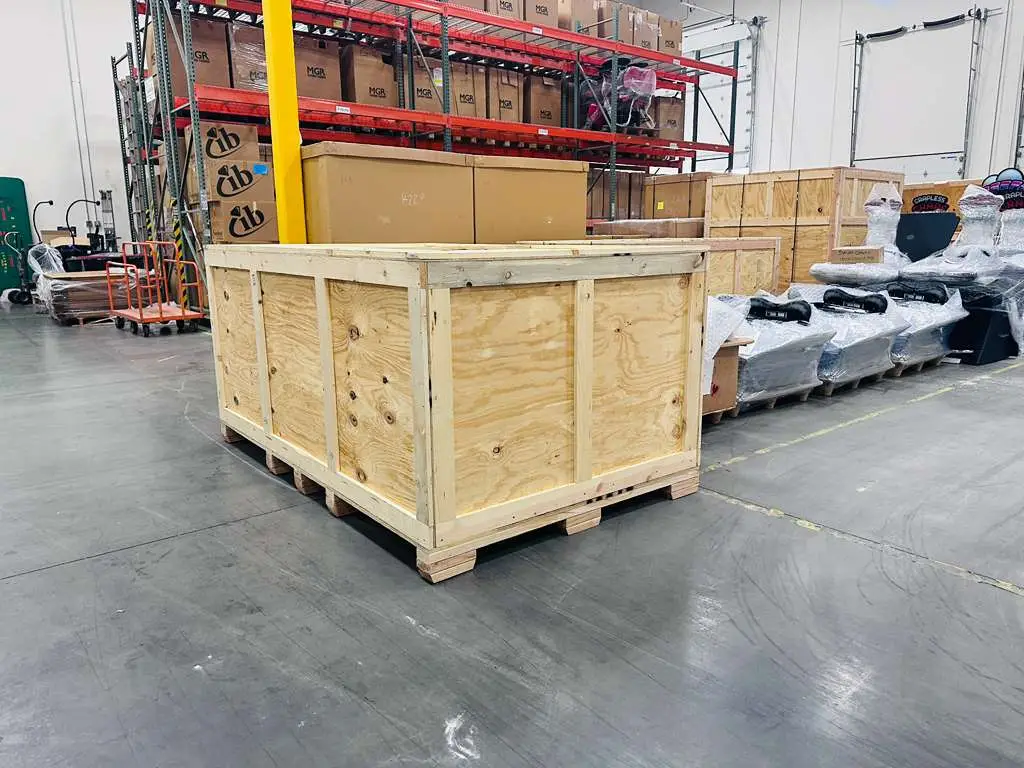

Custom Crate Construction
How Custom Wooden Crates Are Built in Las Vegas: Design to Delivery
A custom wooden crate starts with the shipment, not a standard box size. An industrial machine, a trade show display, and a framed artwork can have very different support, handling, and packing needs even when their outside dimensions are similar.
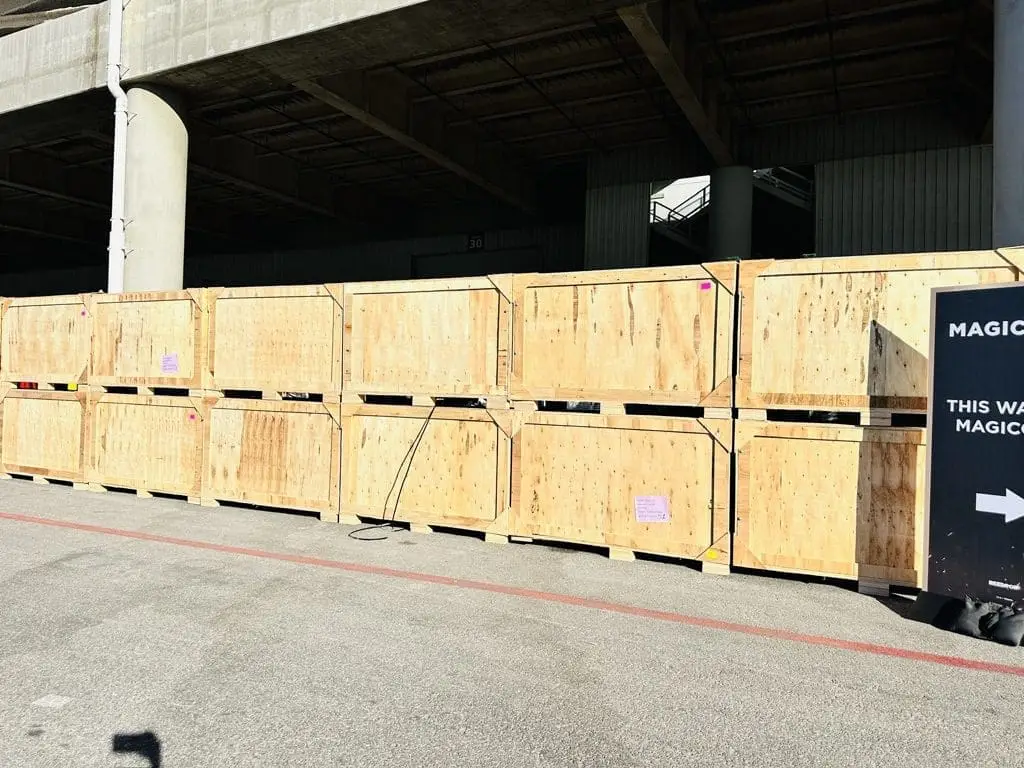
For Las Vegas businesses, the process runs from measuring the cargo and selecting materials to securing the item and planning how the finished crate will move. Understanding those steps helps you give your crate builder the information needed for a useful design and an accurate quote.
Understand the Shipment Requirements
Before fabrication begins, the builder needs more than length, width, and height. The cargo's weight distribution, fragile areas, destination, and handling conditions all affect the design.
Prepare these details:
- Dimensions and verified weight, including any attachments that will remain in place
- Photographs showing the item, base, protrusions, and accessible sides
- Approved lifting points, mounting points, and orientation requirements
- Parts that cannot carry a load or touch packing material
- Manufacturer instructions for vibration, temperature, moisture, or transport preparation
- Pickup and delivery access, including doors, docks, forklifts, and unloading equipment
- Domestic or international destination, transit method, and required arrival date
A heavy load may need a reinforced base. An oversized item may require removable panels or on-site assembly. Fragile equipment may need a separate cushioning plan. Identifying these needs early reduces the chance of redesign after the crate has been built.
Design the Crate Around the Cargo
The design establishes the base, framing, panels, internal clearances, and access points. Material selection should follow the load and shipping conditions; a particular wood species or a thicker panel alone does not establish the capacity of the finished crate.
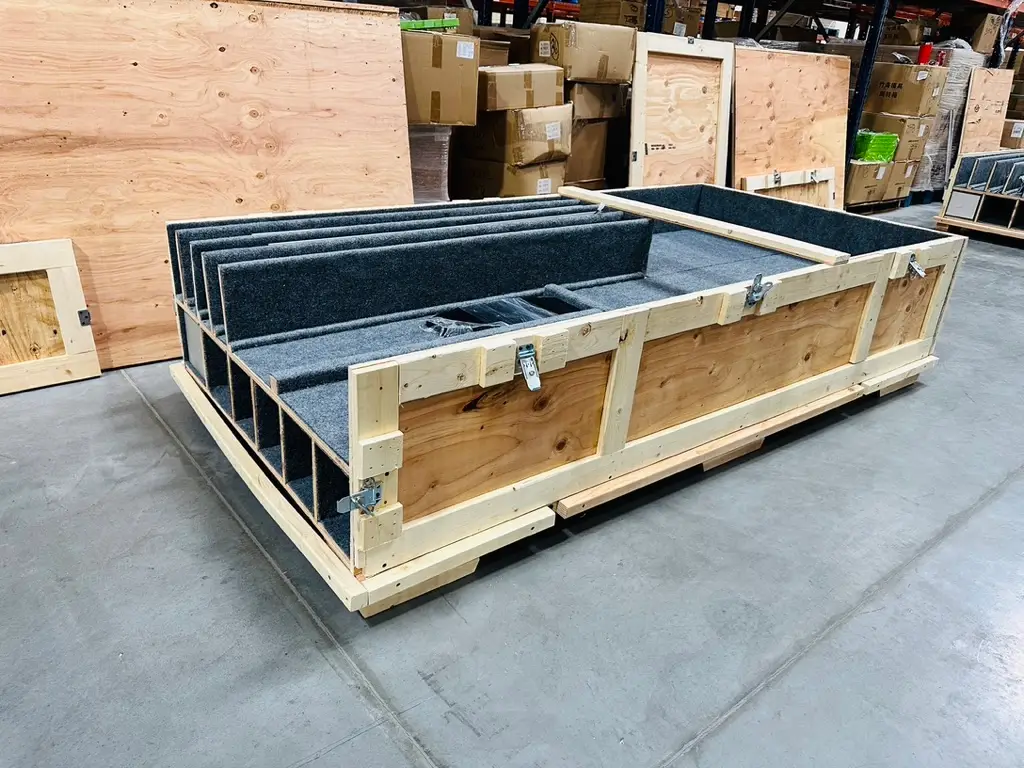
The interior must make room for the specified blocking, bracing, and cushioning. A close-fitting shell can still transmit damaging forces if a delicate surface is pressed directly against it. Where needed, supports should contact structurally suitable areas of the item.
Discuss removable lids, repeat-use hardware, and unpacking access before approving the design. If the cargo has environmental limits, decide whether it needs a separate moisture barrier, insulation, or temperature-controlled transport. An ordinary wooden crate does not provide controlled storage conditions.
Fabricate and Assemble the Structure
Fabrication turns the design into a load-bearing package. The builder cuts and assembles the base, framing, and panels, then installs the specified fasteners and reinforcement. Connections, bracing, and the base are as important as the visible walls.
Handling should be planned as part of that structure. Forklift access, lifting clearance, and any stacking restrictions need to suit the completed package and the equipment available along the route. FedEx's freight packaging guidance explains why crates need an appropriate handling base or forklift openings.
Ask the builder to confirm the finished dimensions and weight before the carrier booking is finalized. Packaging can change the amount of space a shipment needs and the equipment required to move it.
Add Interior Protection and Pack the Item
Blocking and bracing restrain the load. Cushioning is selected for the item's sensitivity and the forces expected during handling. Surface protection helps separate the cargo from materials that could scratch or abrade it.
For antiques, electronics, artwork, and machinery, the correct arrangement depends on the item. Secure loose accessories, protect protruding parts, and keep concentrated pressure away from delicate surfaces. Follow the equipment manufacturer's instructions for removable components and transport restraints.
Before closing the crate, check that the packing matches the agreed design and that the unpacking sequence is clear. Photographs of the secured item can provide a useful record for the receiving team and for future repacking.
Prepare for Delivery, Storage, and Reuse
A finished crate still needs a handling plan. Confirm who arranges collection, loading, freight transport, unloading, and any storage. These responsibilities should be clear in the quote rather than assumed to be included.
Label the shipment and record its final dimensions and weight. Share orientation or handling restrictions with the carrier and receiver. Where a crate will be used again, keep its packing instructions and inspect its structure and hardware before each trip.
For an export shipment, raise the destination's wood-packaging requirements before fabrication. Review the ISPM 15 export-crating guide with the builder and your freight forwarder. If you have a short deadline, confirm the available production and pickup schedule before making a delivery commitment.
PLAN YOUR CRATING
Request a Custom Crate Built Around Your Shipment
Crates of Las Vegas provides custom wooden crating for items with different sizes, weights, and protection needs. Share the cargo details, destination, access conditions, and required date so the team can discuss a suitable design and quote.
Contact Crates of Las Vegas to plan your crate from initial measurements through packing and handoff.
Request a Crating QuoteMORE CRATING GUIDES