

LAS VEGAS · CRATING GUIDE
ISPM 15 Wooden Crates for Las Vegas Export Shipments
For a Las Vegas business shipping internationally, wood packaging can introduce requirements separate from those for the cargo itself. ISPM 15 addresses the plant-pest risks associated with regulated wood packaging used in international trade.
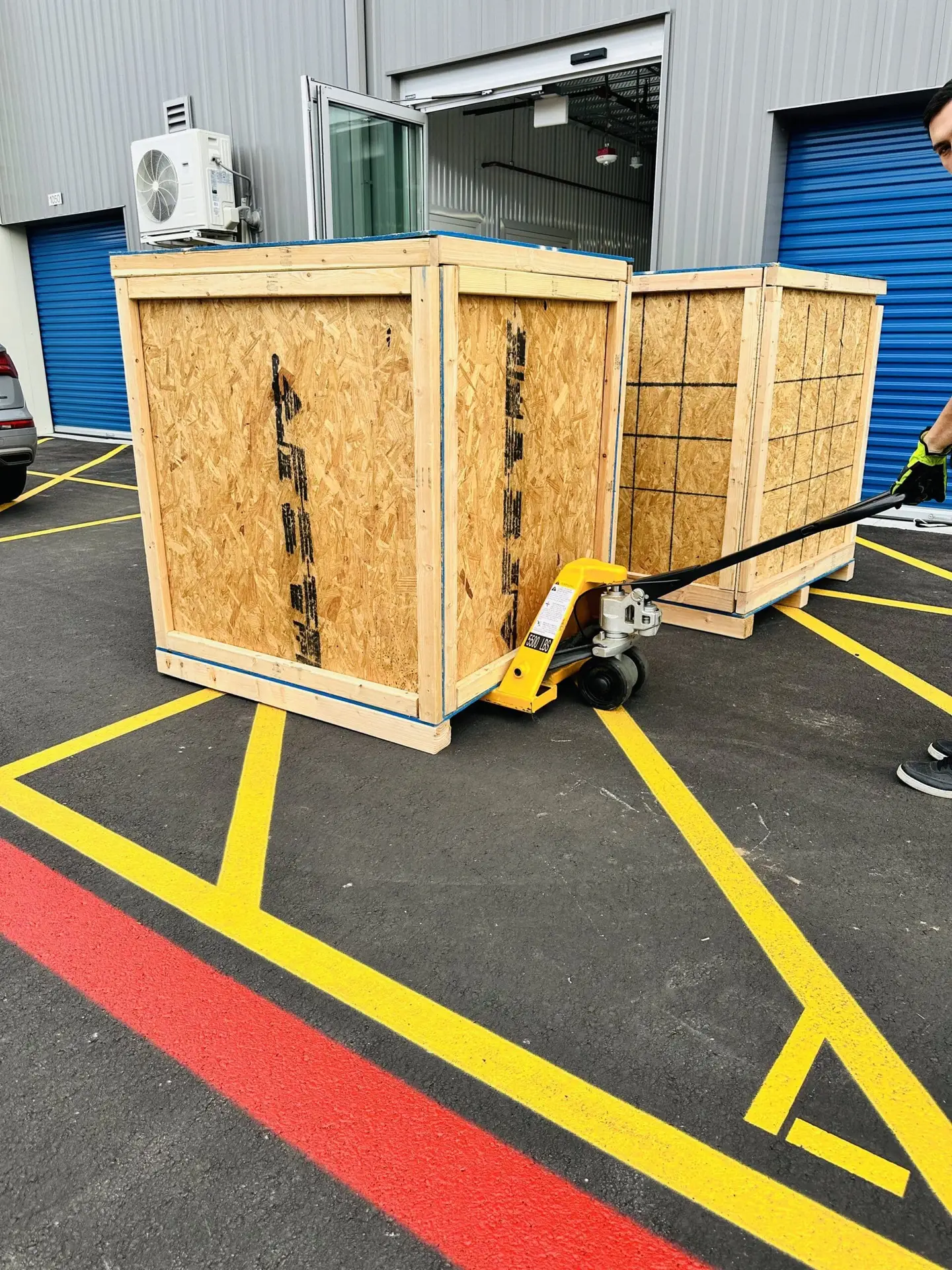
Before ordering a crate, check the destination's requirements and identify which packaging components are regulated. Crate strength, interior protection and transport conditions still need their own review.
Understand what ISPM 15 covers
The IPPC's ISPM 15 standard sets out phytosanitary measures for wood packaging such as crates, pallets and dunnage. The purpose is to reduce the risk of spreading quarantine pests through raw wood packaging.
It is not a structural certification, a cargo-protection rating or an assurance of unrestricted customs clearance. Treatment also does not provide ongoing protection against later contamination or infestation.
Check the entire packaging assembly
The standard includes exemptions for packaging made wholly from qualifying processed wood, such as plywood, and for thin wood of 6 mm or less. A crate with plywood panels may still have solid-wood framing, runners or dunnage that requires attention.
Ask the provider to review the complete assembly rather than relying on the panel material alone. Keep the packaging specification with the shipment records, particularly when several suppliers provide different parts of the packing system.
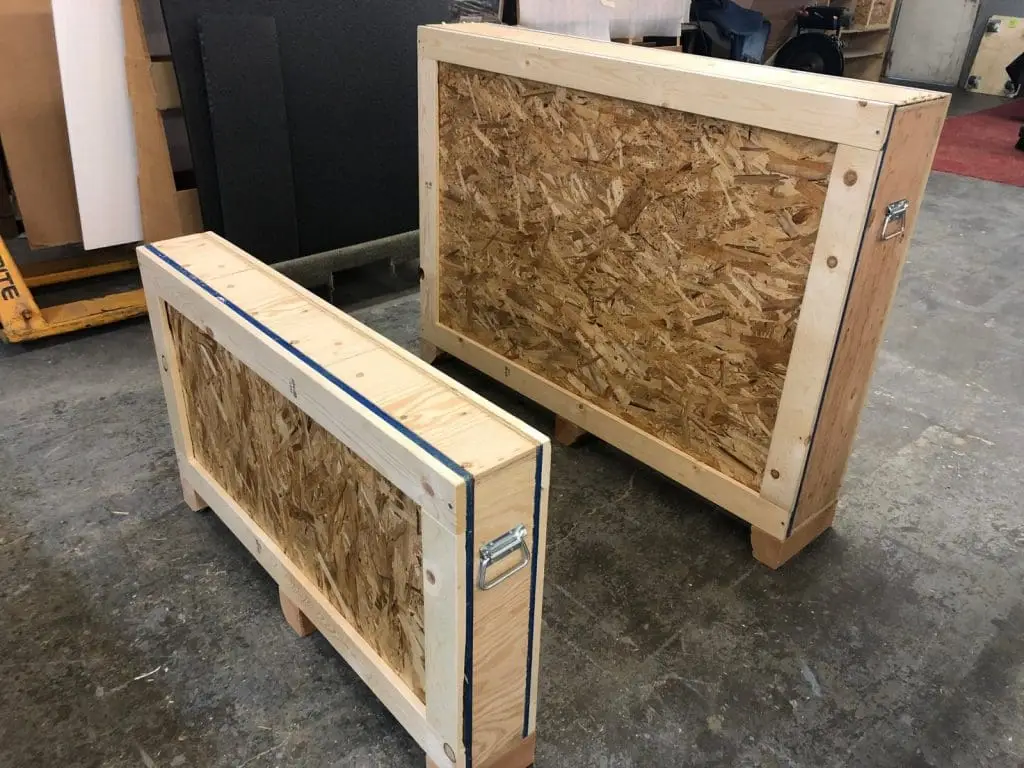
Confirm the destination before commissioning the crate
USDA APHIS export guidance tells exporters to determine whether the destination requires ISPM 15-compliant wood packaging and to comply with its requirements. Avoid assuming that every country, route or packaging material is treated identically.
Share the destination and any transit information with the freight provider or customs broker. Ask which authority's requirements apply and resolve uncertainty before the crate is built. These checks are relevant to equipment, stage components and other cargo; the contents do not turn ISPM 15 into a strength standard.
Use an authorized treatment and marking route
For regulated U.S. export packaging, APHIS describes purchasing compliant marked material or using registered treatment and marking facilities. Its guidance also explains that producers must participate through an accredited inspection agency; businesses cannot simply create their own ISPM 15 mark.
Ask the supplier how compliance will be documented for the finished packaging. The recognized mark identifies the country, producer or treatment provider and treatment method. Keep required marks visible and ask the provider to review any repairs or replacement wood before reuse.
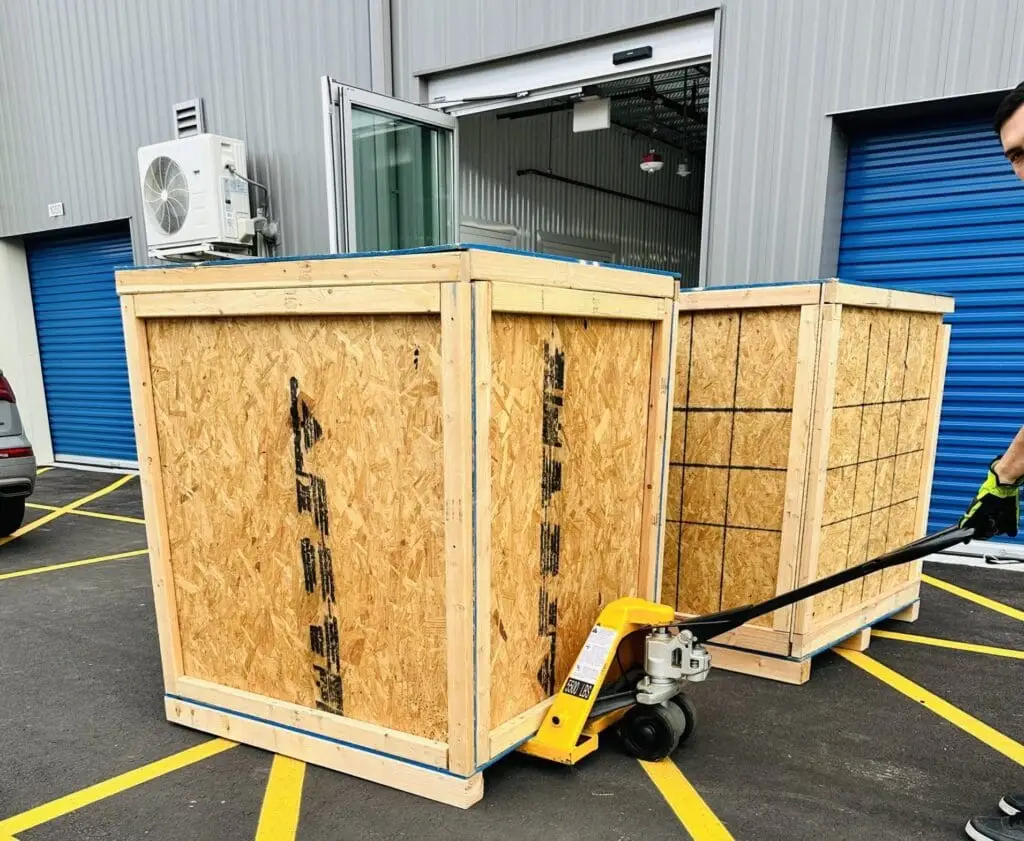
Review cargo protection separately
A treated and marked crate still needs an appropriate load-bearing design and interior packing. Provide dimensions, weight, fragile areas and manufacturer instructions. Clarify the handling method and receiving arrangements.
For electronics or temperature-sensitive cargo, discuss the product's limits with the transport provider. ISPM 15 treatment does not give a crate active cooling, moisture control, impact resistance or a guarantee that the contents will arrive undamaged.
Prepare the export-crating brief
- Identify the destination, route and relevant packaging requirements.
- List the cargo dimensions, weight and handling restrictions.
- Review all wood components, including supports and dunnage.
- Confirm the provider's treatment and marking arrangements.
- Check the finished packaging and shipment records before dispatch.
Use the destination authority, freight provider and qualified treatment provider to resolve shipment-specific questions. A general guide cannot establish compliance for every consignment.
For broader guidance, see our ISPM 15 crate requirements guide. For service details, see our ISPM-15 crating service.
PLAN YOUR CRATING
Discuss export packaging with Crates of Las Vegas
Contact Crates of Las Vegas with your cargo details and destination requirements. Ask the team to confirm the applicable treatment and marking arrangements alongside the crate's structural, packing and handling scope.
Discuss your crate projectMORE CRATING GUIDES




