
LAS VEGAS · CRATING GUIDE
Custom Wood Crates for Presentation and Practical Use
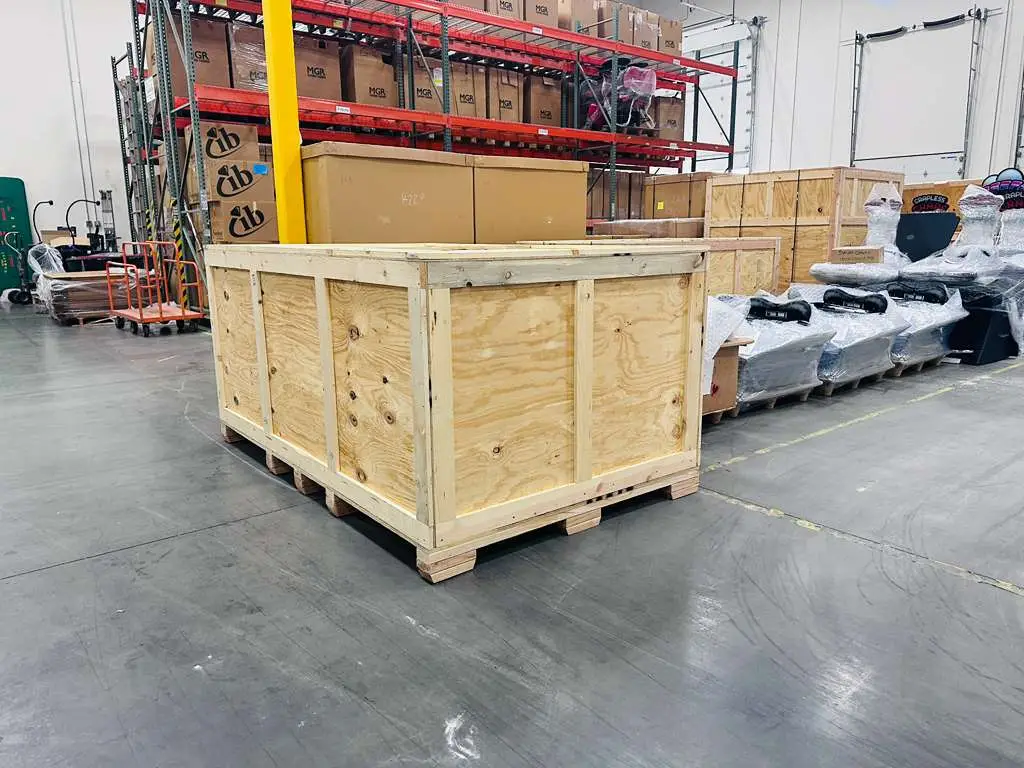
The appearance of a custom wood crate can matter when it is part of a product handover, a display or visible storage. Good design also considers how the package opens, what it carries and how people will interact with it.
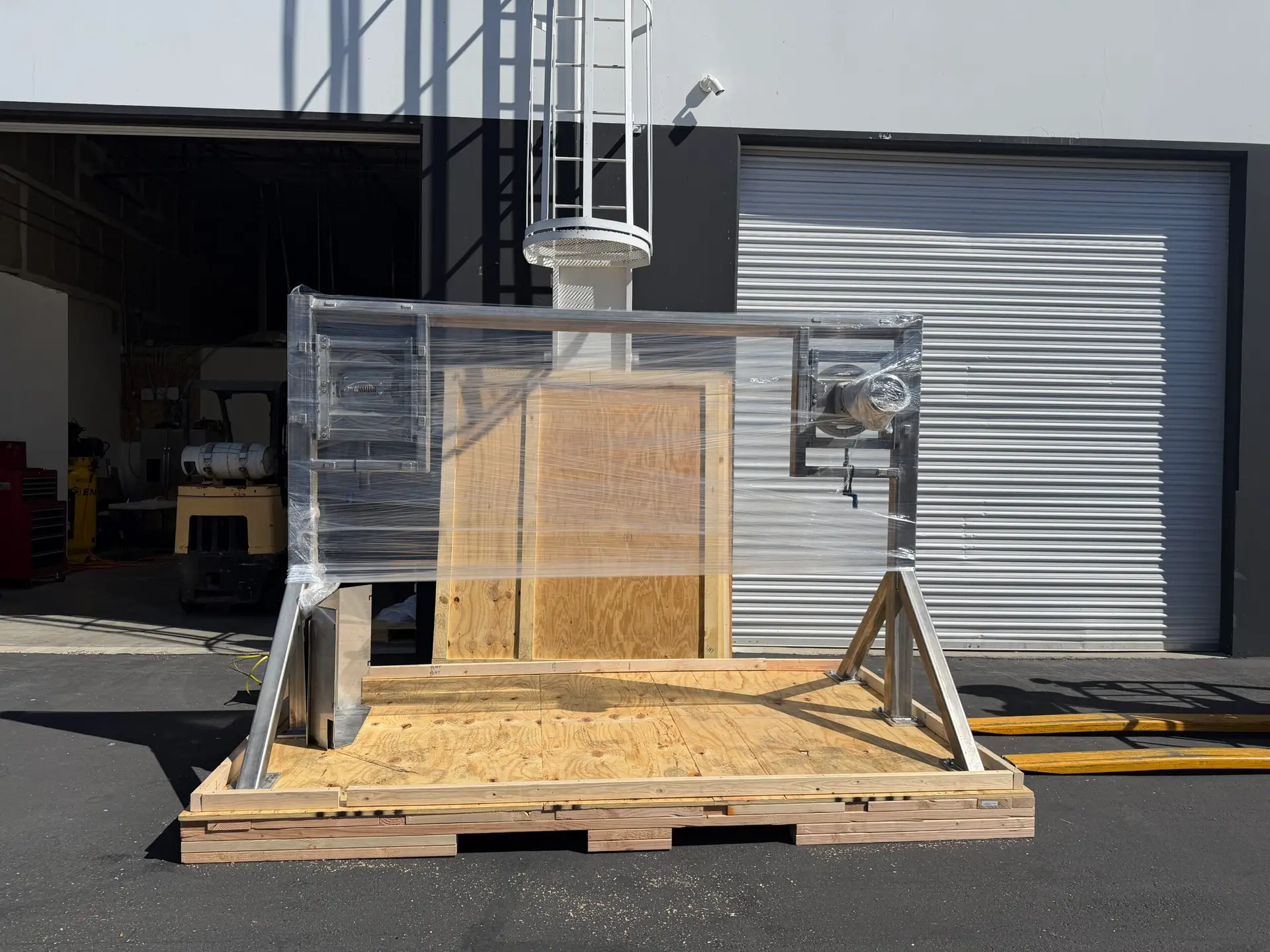
Before choosing a finish or decorative detail, decide whether the project is primarily a freight package, a presentation container or a fixture. Each use needs its own requirements, and one should not be assumed to qualify the crate for another.
Look for craftsmanship that serves the purpose
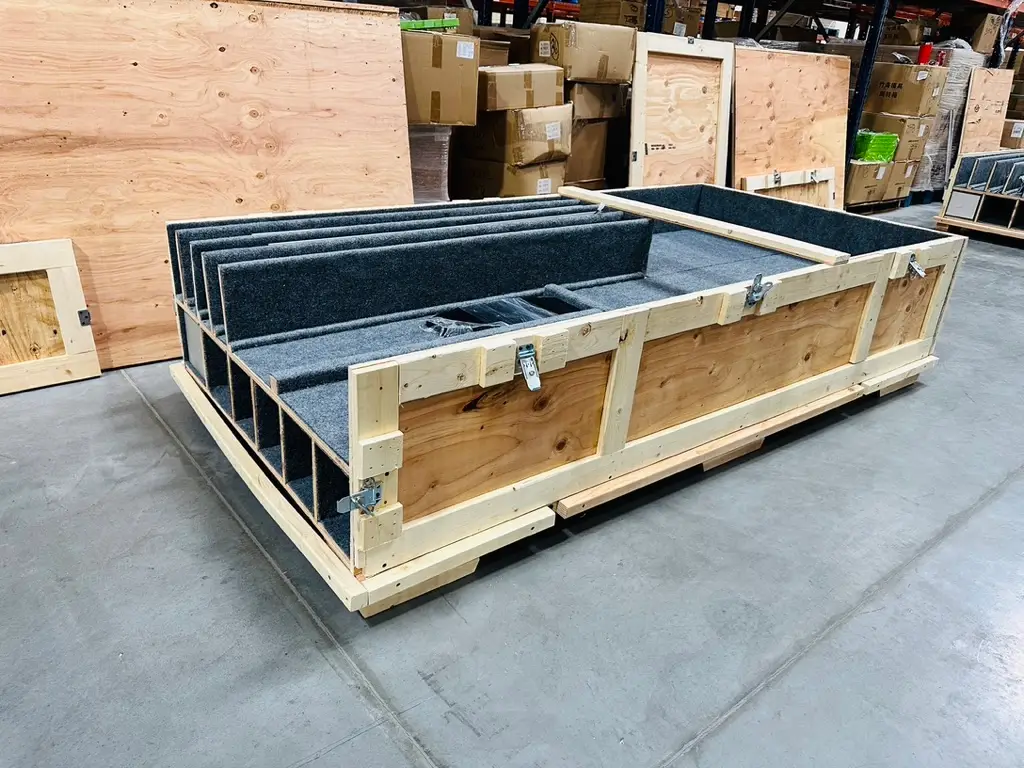
For shipping, ask about the structure, interior fit and closure. For a visible presentation piece, also discuss exposed edges, hardware placement and the intended finish. The desired appearance should be documented so it can be reviewed alongside the practical requirements.
Photographs of earlier work can help communicate a style preference, but they do not establish the specifications or capacity of your proposed crate. Ask for the details that apply to your item and its use.
Specify design and finishing options clearly
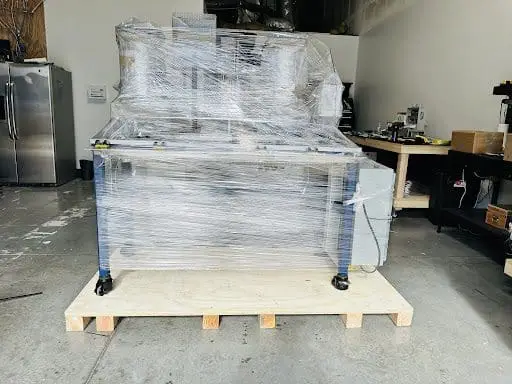
Provide a reference image or a short description of the look you want. Ask which materials, finishes and markings are available, and whether any samples or approvals are needed. Avoid assuming that a freight-crating quote includes decorative woodworking.
- State where the crate will be seen and who will handle it.
- Identify the desired color or appearance without assuming a particular wood species.
- Keep branding separate from shipping and opening instructions.
- Discuss contact between finished surfaces and the contents.
- Confirm the preparation and curing requirements for any selected finish with the provider.
Assess reuse and display applications separately
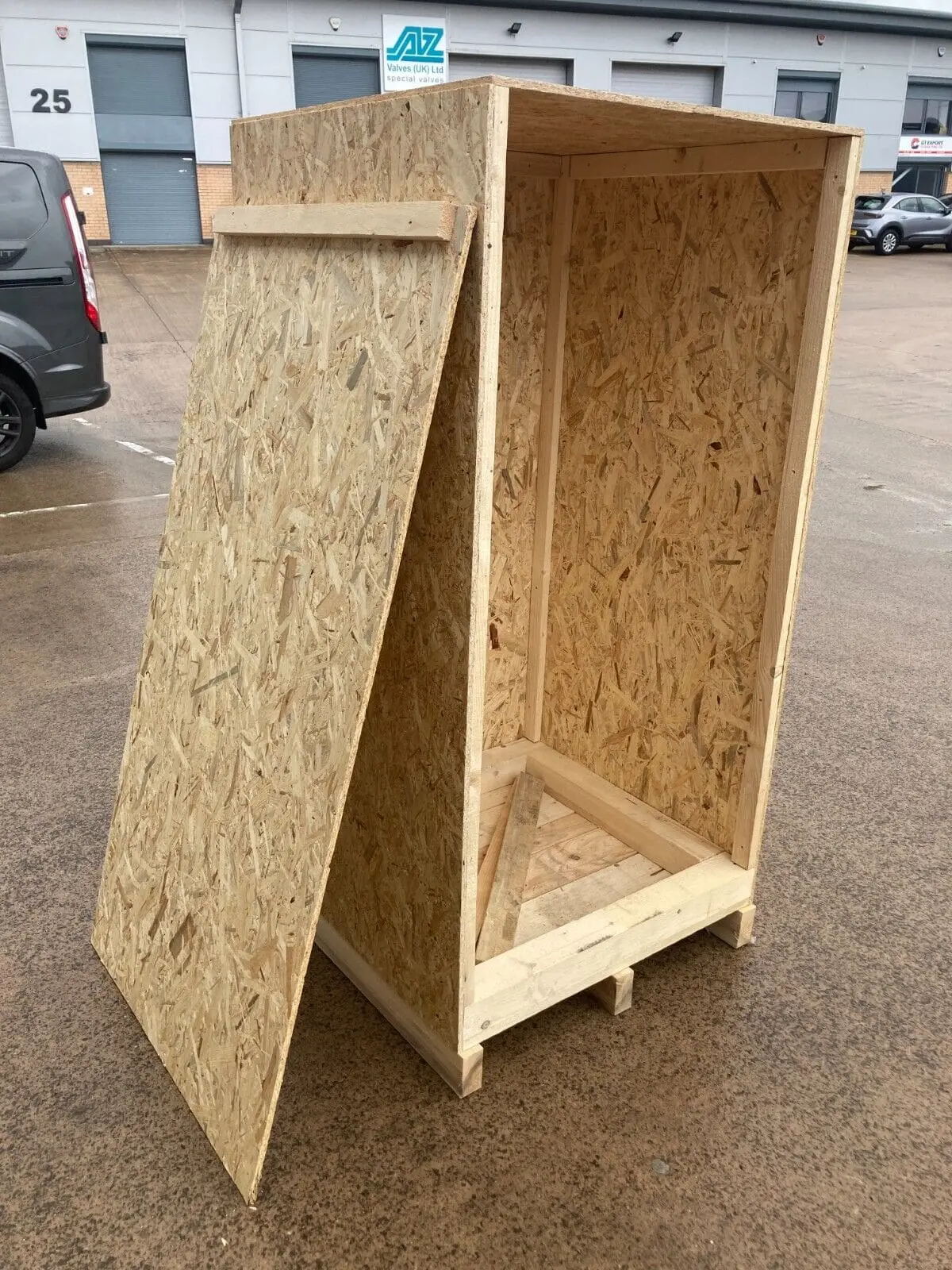
An empty crate may suggest a storage or display use, but suitability needs to be checked. Consider its condition, previous contents, sharp edges and exposed fasteners. Do not use an ordinary shipping crate as seating, a step or a raised platform without an appropriate design assessment.
For a commercial display, have the venue or a qualified installer review stability, placement and intended loading. Stacking crates for appearance is not a substitute for an approved support or anchoring plan. Keep access routes clear and follow the venue's requirements.
Move from concept to a reviewable design
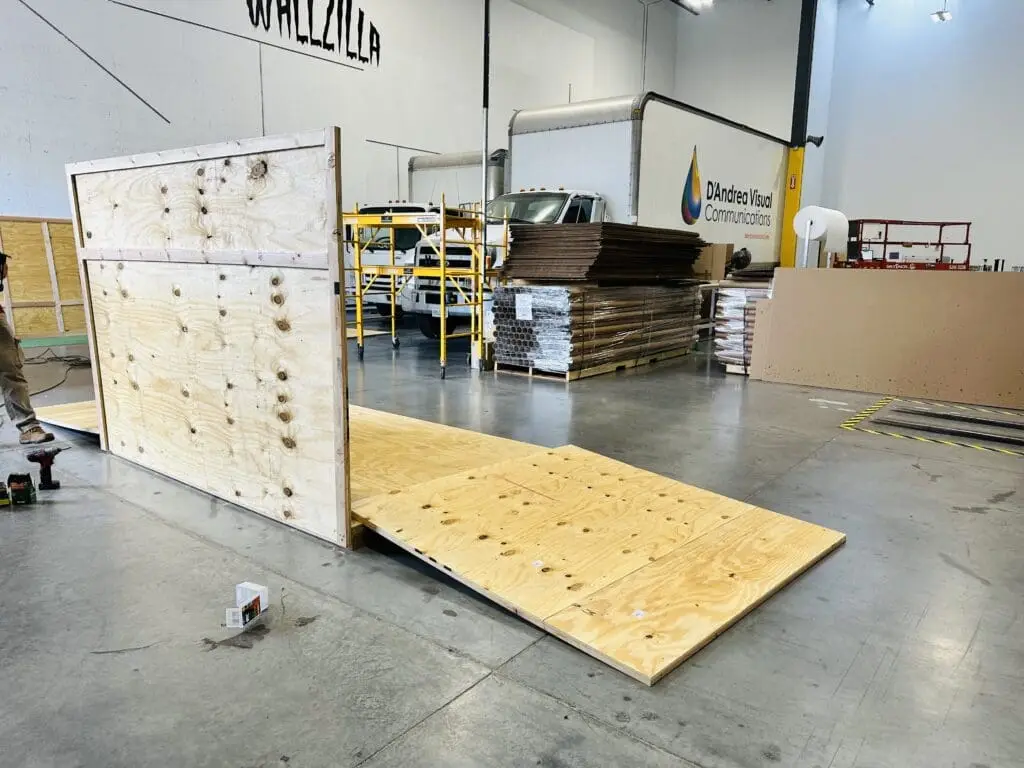
Bring together the object's measurements, weight, intended use and visual references. Ask the builder to identify any conflicts between presentation and transport needs. A removable side may improve access, for example, but it also needs a clear closing and handling plan.
Confirm the agreed dimensions and opening method before construction. If the crate is expected to travel more than once, request instructions that let another person understand how the contents and supports fit together.
Make opening orderly and understandable
A good handover tells the receiver where to begin. Identify the opening panel and any tools required. Keep loose accessories together and provide a packing list when several items are included.
Allow enough room to remove the contents and place the lid safely. For fragile or heavy items, arrange the appropriate handling assistance. The goal is a clear, controlled opening sequence rather than a dramatic unboxing that encourages rushed or improvised handling.
PLAN YOUR CRATING
Discuss your presentation crate
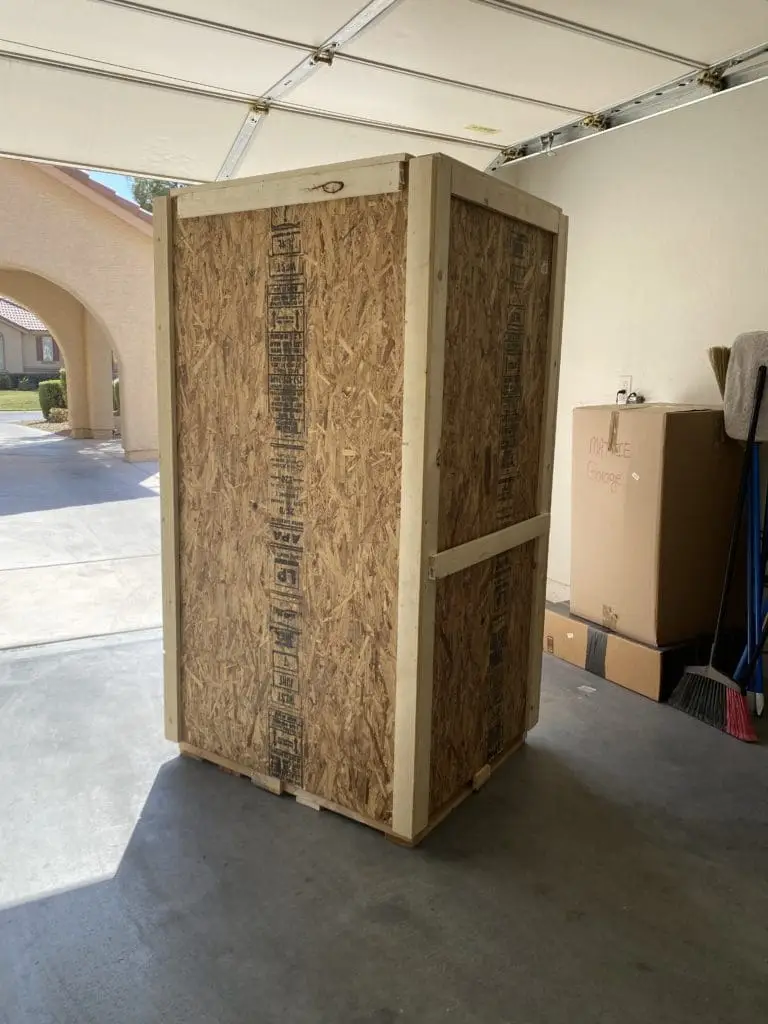
Contact Crates of Las Vegas with the item details and the role the crate needs to play. Explain whether it will be shipped, displayed or reused, and ask which design and presentation options can be included in the project.
Discuss your crate projectMORE CRATING GUIDES