
LAS VEGAS · CRATING GUIDE
Custom Wood Crates for Delicate Cargo: A Design Checklist
A well-briefed wood-crating project makes the item's handling needs clear before construction begins. For fine art, electronics or delicate machinery, the essential questions are where the load can be supported, what must not be touched and how the item will be removed at delivery.
Use this checklist to discuss the complete package with a crate builder. It preserves the flexibility of a custom design while giving both the shipper and recipient a practical plan to follow.
Create a complete measurement record
Measure the object in its intended shipping configuration. Include legs, handles, connectors and any projections. State whether accessories will travel attached, separately packed or in their own compartment.
- Overall length, width and height, with units clearly stated
- Verified weight and any uneven weight distribution
- Photographs from several sides, including the base
- Safe handling and support locations
- Areas that must not carry pressure
- Required shipping orientation and any transport locks
Internal crate dimensions must allow for the approved supports and protective materials. External dimensions also include the base and enclosure, which matter for freight booking and access.
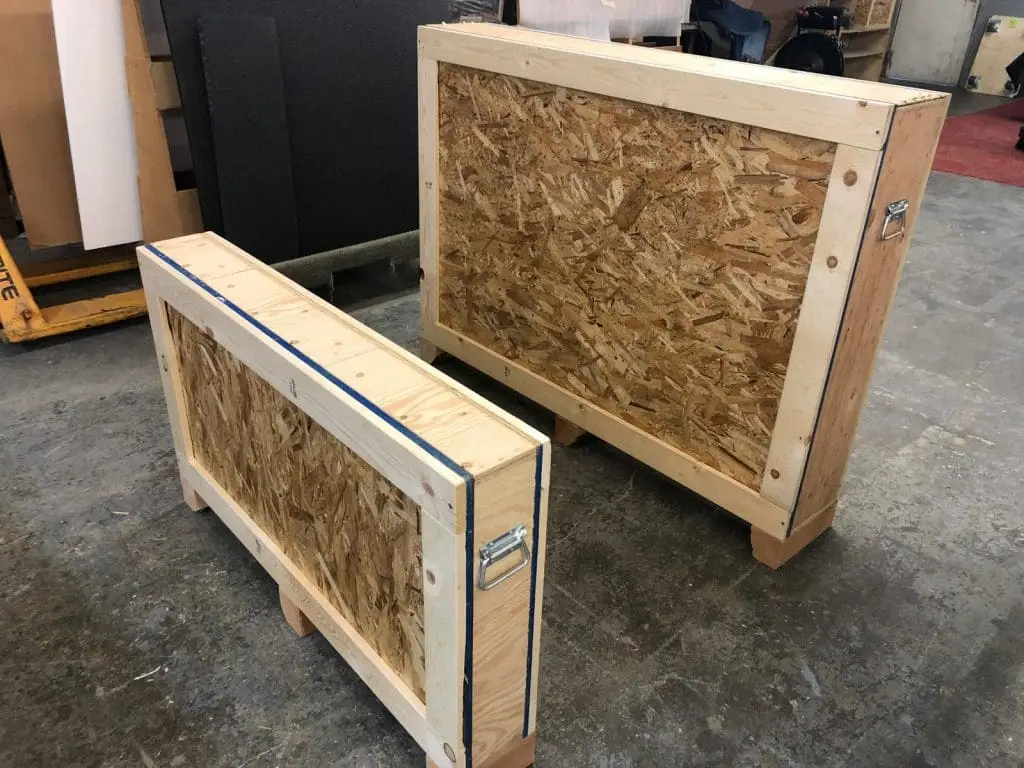
Match the interior to the cargo
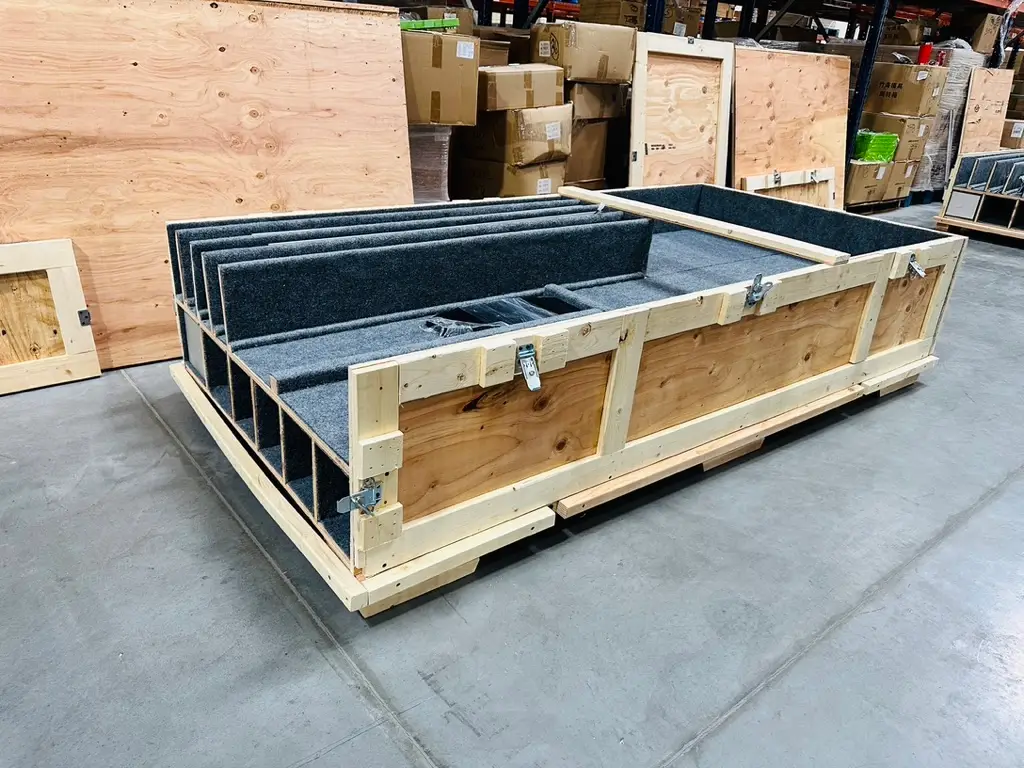
A sculpture with projections, a screen with a vulnerable face and a machine with sensitive instruments present different problems. Tell the builder what the object is made of and supply any packing instructions from its manufacturer or conservator.
Discuss the distinction between restraint and cushioning. Restraint controls unwanted movement; cushioning manages the loads transmitted to the item. A suitable plan may use both, with contact limited to areas that can tolerate it. Avoid asking for the tightest possible fit without considering those interfaces.
Look at construction details that affect use
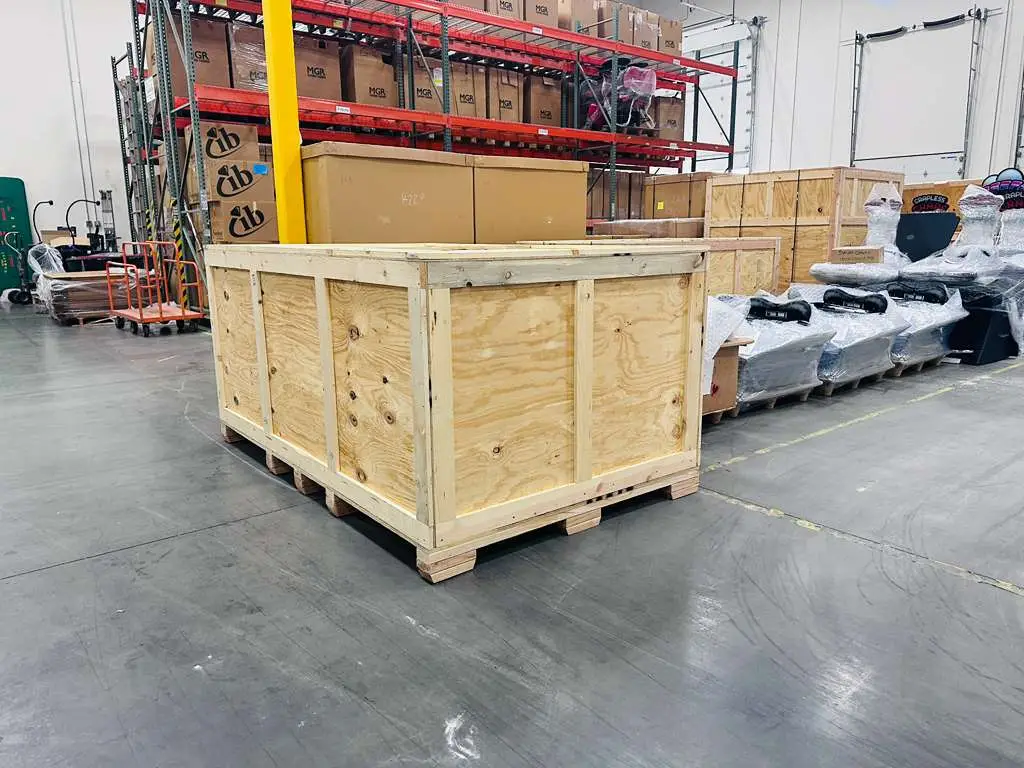
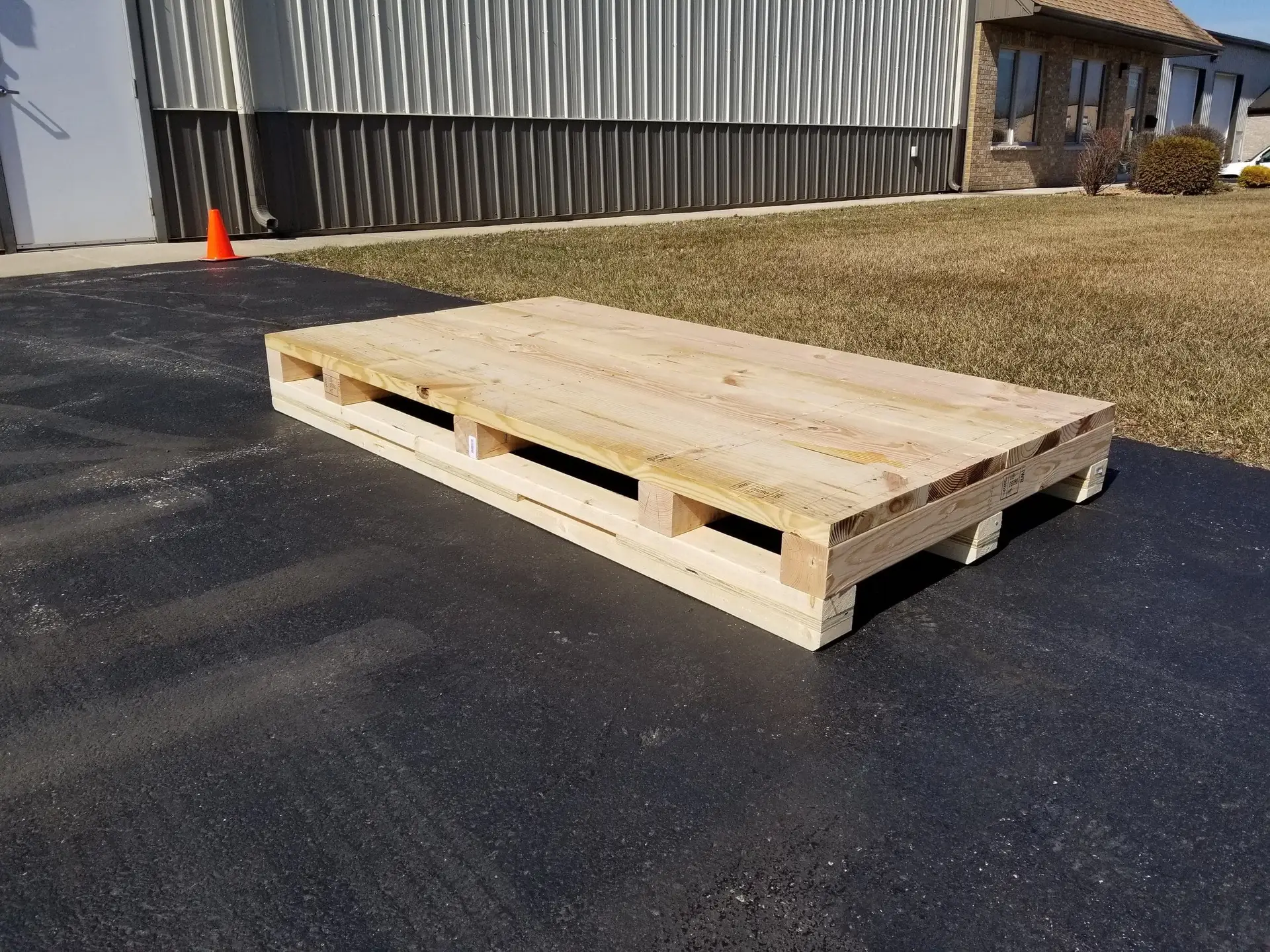
Good craftsmanship should make the crate serviceable as well as neat. Review the base, framing connections, panel access and fasteners. Confirm that the finished crate can be moved by the equipment expected at pickup and delivery.
For repeated use, ask how panels are identified and how the closure will withstand reopening. Keep reusable supports and instructions together. A visual inspection cannot establish a load rating, so request any required design or test evidence separately.

Plan for the journey and the destination
List the expected shipping mode, transfers and storage periods. Ask how the proposed package addresses the risks relevant to that route. Wood construction alone does not establish weatherproofing, humidity control or vibration isolation.
For sensitive artwork, the Canadian Conservation Institute's transport guidance provides a technical reference for evaluating package and transport conditions. Use the object's requirements to determine whether specialist transport or environmental protection is needed.
Review the packing and unpacking sequence
- Confirm the item's condition and photograph it before packing.
- Check that supports and loose components match the agreed plan.
- Record the closed crate's dimensions, gross weight and identifying labels.
- Give the recipient opening instructions and the required equipment list.
- Save the packing layout if a return journey is planned.
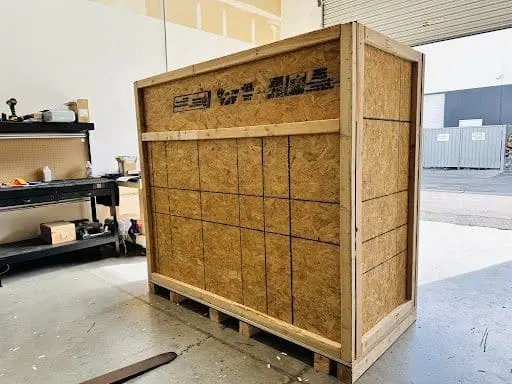
Make the receiver part of the discussion early. Limited doorway clearance or missing unloading equipment is easier to address before the crate is built.
PLAN YOUR CRATING
Discuss a delicate-cargo packing plan
Crates of Las Vegas' custom-crating service can be discussed around your item's specific requirements. Send the measurement record, photos, destination and required date, and ask for the packing and receiving assumptions to be included in the proposal.
Discuss your crating projectMORE CRATING GUIDES