LAS VEGAS · CRATING GUIDE
Custom Wooden Crates for Las Vegas Business Operations
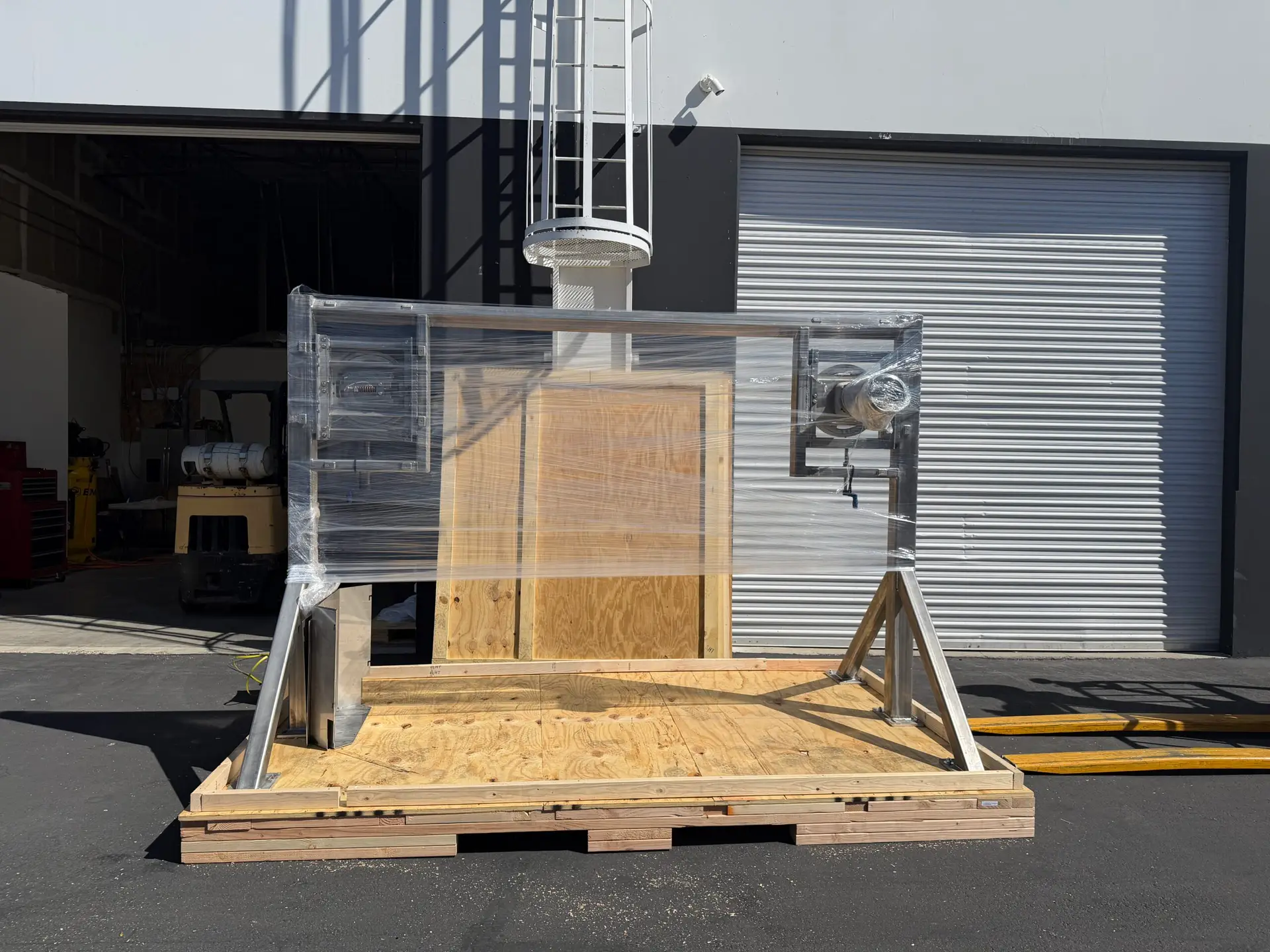
Custom wooden crates can be useful when a business needs packaging designed around a particular product, handling route or repeat-use process. Their potential benefits include a better-fitting package, a defined support arrangement and clearer organization of the contents.
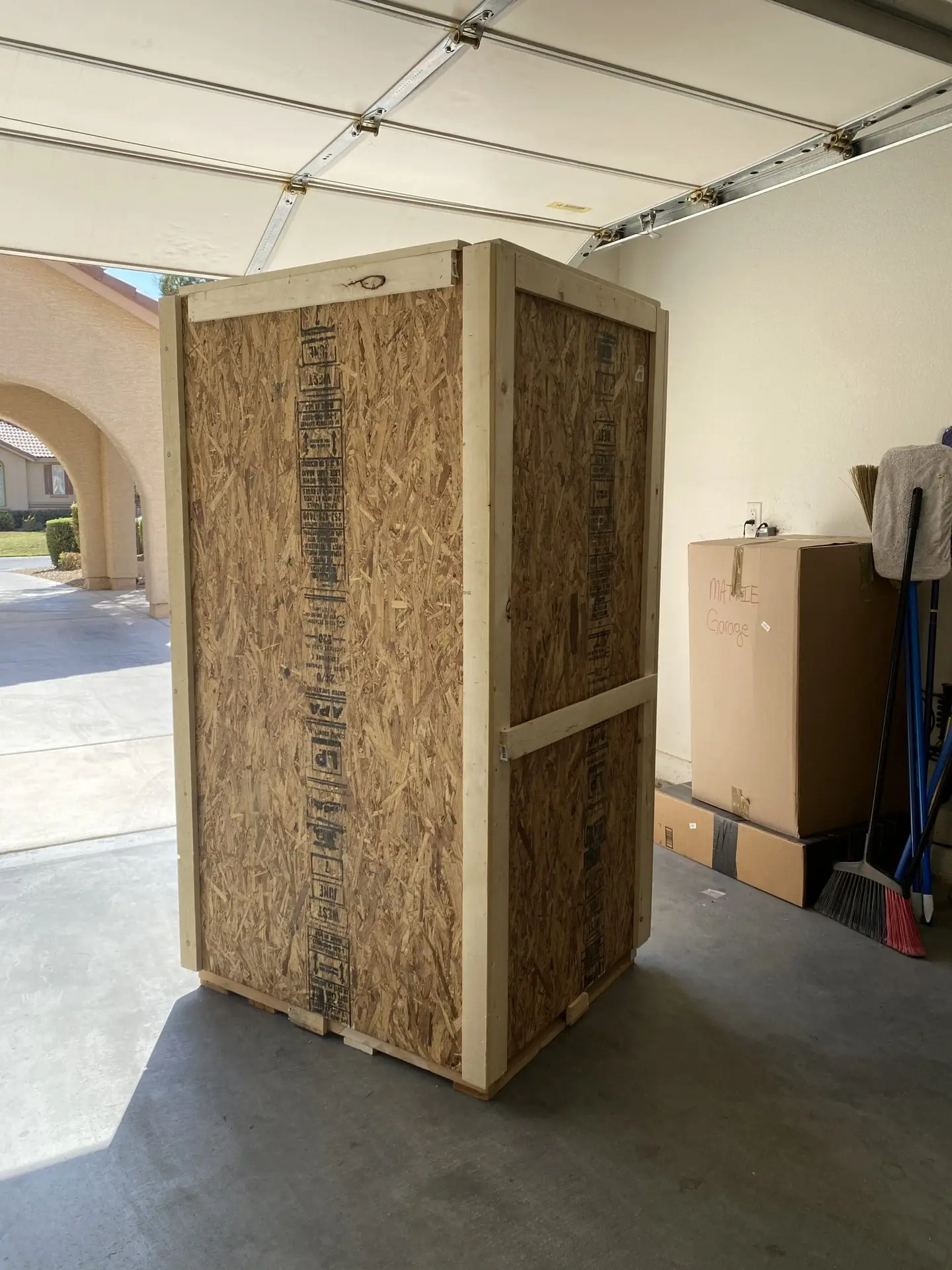
Those benefits depend on the design and use. For a Las Vegas business comparing packaging options, the right starting point is a practical brief and a complete cost comparison.
Improve fit and handling with a clear specification
Provide the cargo's dimensions, weight and photographs. Identify fragile areas, permitted support points and the intended orientation. Include accessories and any parts that will be removed before packing.
Ask the builder to show how the proposed crate accommodates the item and how the receiver will access it. A tailored interior may help organize a multi-part shipment, but unnecessary size or complexity can also add handling work. Review the finished package rather than only the empty container.
Define protection and security separately
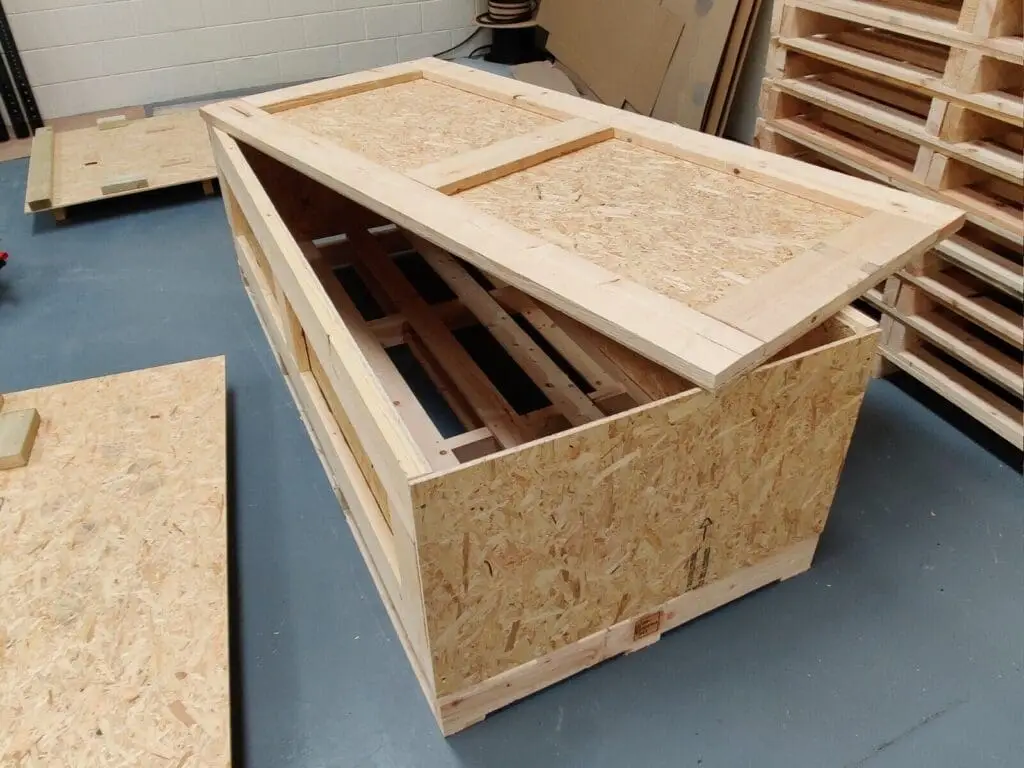
A crate's enclosure, base and interior packing address physical protection. Closures, controlled access and a documented handover address different concerns about security. Explain which risks matter for your shipment and ask what the proposed scope includes.
- Confirm how the cargo will be supported inside the crate.
- Check the agreed handling method and any restrictions.
- Identify who will open the crate at the destination.
- Ask whether any requested locks or tamper-evidence measures are available.
- Keep condition photographs and a packing inventory.
Neither a wood enclosure nor a lock guarantees damage-free delivery or prevents every form of theft. Discuss transport service and coverage separately with the relevant providers.
Compare cost over the intended use
A reusable crate may be worth considering for repeated journeys, but savings should be calculated from the actual project. Compare construction, interior materials, packing labor, shipping, return transport, storage and repair.
Ask how removable parts will be identified and retained. Include an inspection before each reuse and a process for assessing damage. A crate that is lost at the destination or unsuitable for the next load will not deliver the reuse value assumed in the plan.
Check sustainability claims against evidence
Ask where the materials come from and what documentation supports any sourcing or recycled-content claim. Do not assume the wood is locally sourced merely because the crate is assembled in Las Vegas.
Discuss repairable components and end-of-use options with the builder and receiver. The EPA's archived reduction and reuse guidance provides a general waste-prevention framework; the environmental outcome of a specific crate still depends on its materials and use.
Match customization to the business need
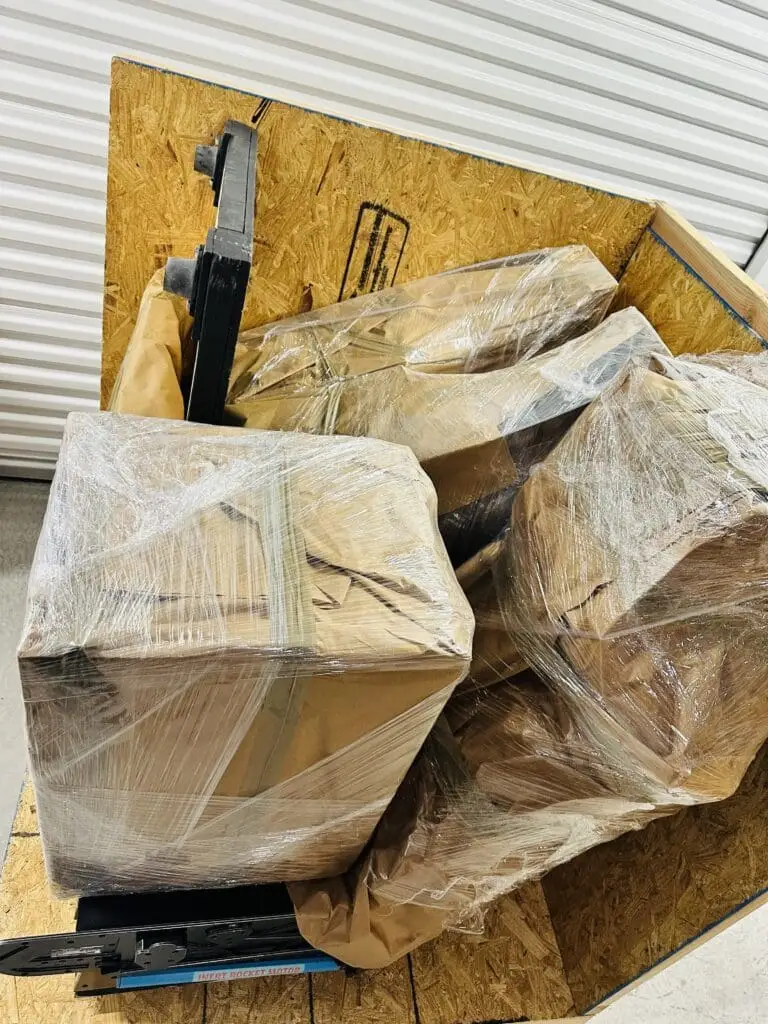
Different projects may call for different access, organization or presentation features. An exhibit team may need component labels and a packing sequence, while an equipment shipment may need manufacturer-approved support points. Branding can be discussed when the package will be visible to customers.
Confirm optional features in the quote. A custom size should not be taken to imply unlimited finishing choices, climate control or an unrestricted load rating.
PLAN YOUR CRATING
Review a crate for your business
Contact Crates of Las Vegas with the item details, destination and intended use cycle. Explain which handling, protection and presentation goals matter so the team can discuss an appropriate design and project-specific scope.
Discuss your crate projectMORE CRATING GUIDES