

LAS VEGAS · CRATING GUIDE
Wood Crate Protection and Cargo Security Planning
Cargo protection involves more than closing a wooden box. The load needs a suitable structure and interior arrangement, while access control and a clear handover help address different concerns about loss or tampering.
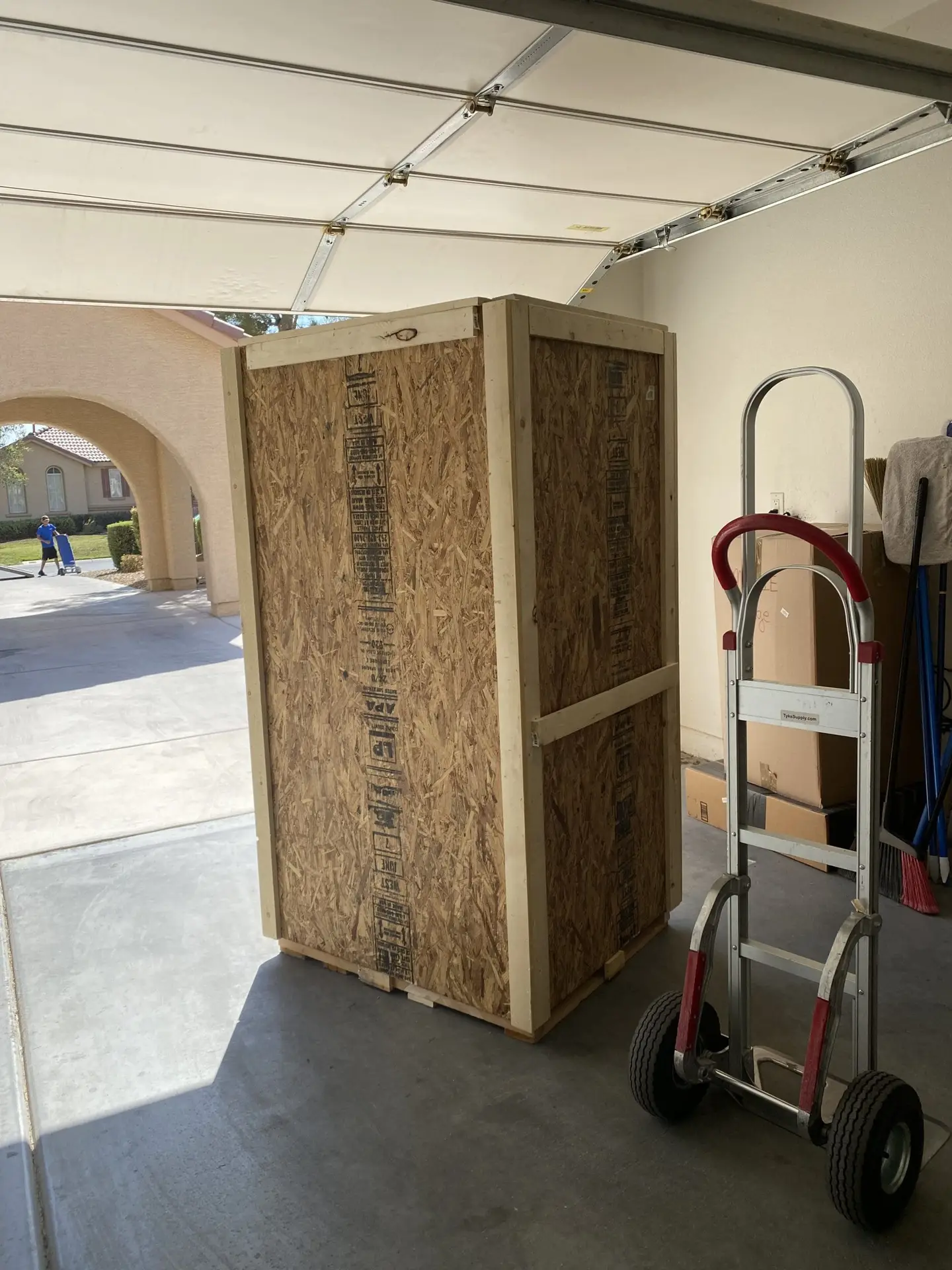
For a shipment prepared in Las Vegas, discuss those needs separately. A custom crate can be designed around the item, but ordinary closures should not be described as theft-proof or assumed to include locks and security seals.
Tailor the crate to the cargo
Provide measurements, weight, photographs and any manufacturer instructions. Identify fragile parts, permitted support points and the expected shipping orientation. Include accessories and loose components in the packing inventory.
Ask how the proposed interior arrangement limits unwanted movement without placing pressure on vulnerable surfaces. The best starting point is a clear description of the item, not a request for the heaviest possible enclosure.
Review structural details without material myths
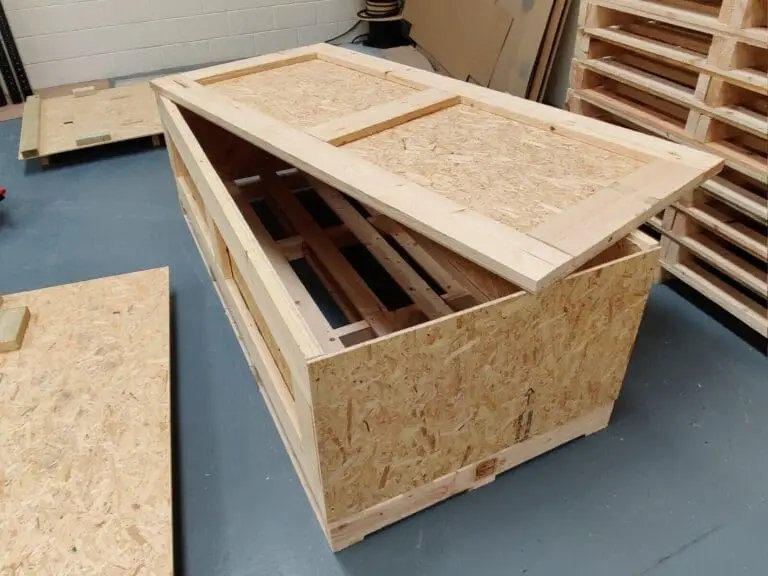
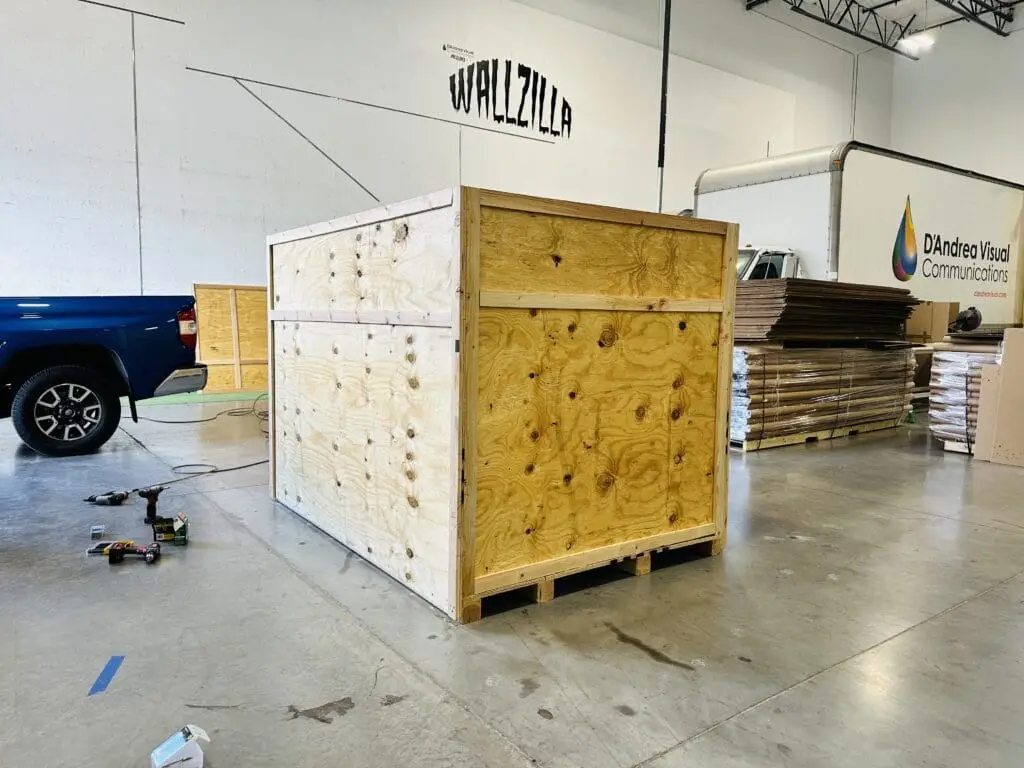
Ask about the load-bearing base, enclosure, closure and intended handling method. Different cargo can require different materials and construction details. Plywood should not be dismissed simply as a cheap substitute: FedEx's crate guidance specifically includes plywood among its preferred choices.
The correct design still depends on the complete package. Do not assume all-hardwood construction, extra fasteners or a thick panel automatically establishes a capacity. Share unusual weight distribution or support requirements for review.
Specify access and handling features
Decide who will open the crate and whether it will be used again. Request an opening sequence and a way to identify removable panels or supports. If handles or wheels are proposed, ask how they are intended to be used and confirm the carrier's acceptance of the finished package.
Do not improvise a lifting method from the appearance of the hardware. A carrying handle or closure may serve a different purpose from a load-rated lifting point. Use the handling arrangement agreed for the project.

Discuss security as a separate requirement
If unauthorized access is a concern, explain the risk and ask which closure or tamper-evidence options are available. Confirm what is included rather than assuming every crate has locks. Coordinate any inspection access requirements with the transport provider.
- Identify who is responsible for the shipment at each handoff.
- Record the crate identifier and contents in the project documents.
- If seals are used, agree who records and checks them.
- Keep delivery details limited to the people who need them.
- Confirm the receiving contact before collection.
A seal or lock does not eliminate theft risk or establish insurance coverage. Review security arrangements and any coverage terms separately with the relevant providers.
Give the receiver a usable record
Take condition and packing photographs before the crate is closed. Share the inventory and opening instructions with the authorized receiver. Explain how to identify the crate and who to contact if the shipment appears damaged or different from the records.
Follow the carrier's inspection and reporting procedures if a problem is found. Retain the packaging and supporting records as directed. Clear documentation supports the handover without promising that no loss or damage can occur.
PLAN YOUR CRATING
Review your cargo protection requirements
Contact Crates of Las Vegas with the item details, route and any access-control concerns. Ask the team to identify the proposed construction, packing and closure scope so each part of the shipment plan is understood.
Discuss your crate projectMORE CRATING GUIDES




