LAS VEGAS · CRATING GUIDE
Choosing Wood Crates for Protection Presentation and Reuse
Protection, appearance and environmental goals can all influence a packaging decision. A useful crate specification makes each goal concrete instead of assuming that a wooden container automatically delivers all three.
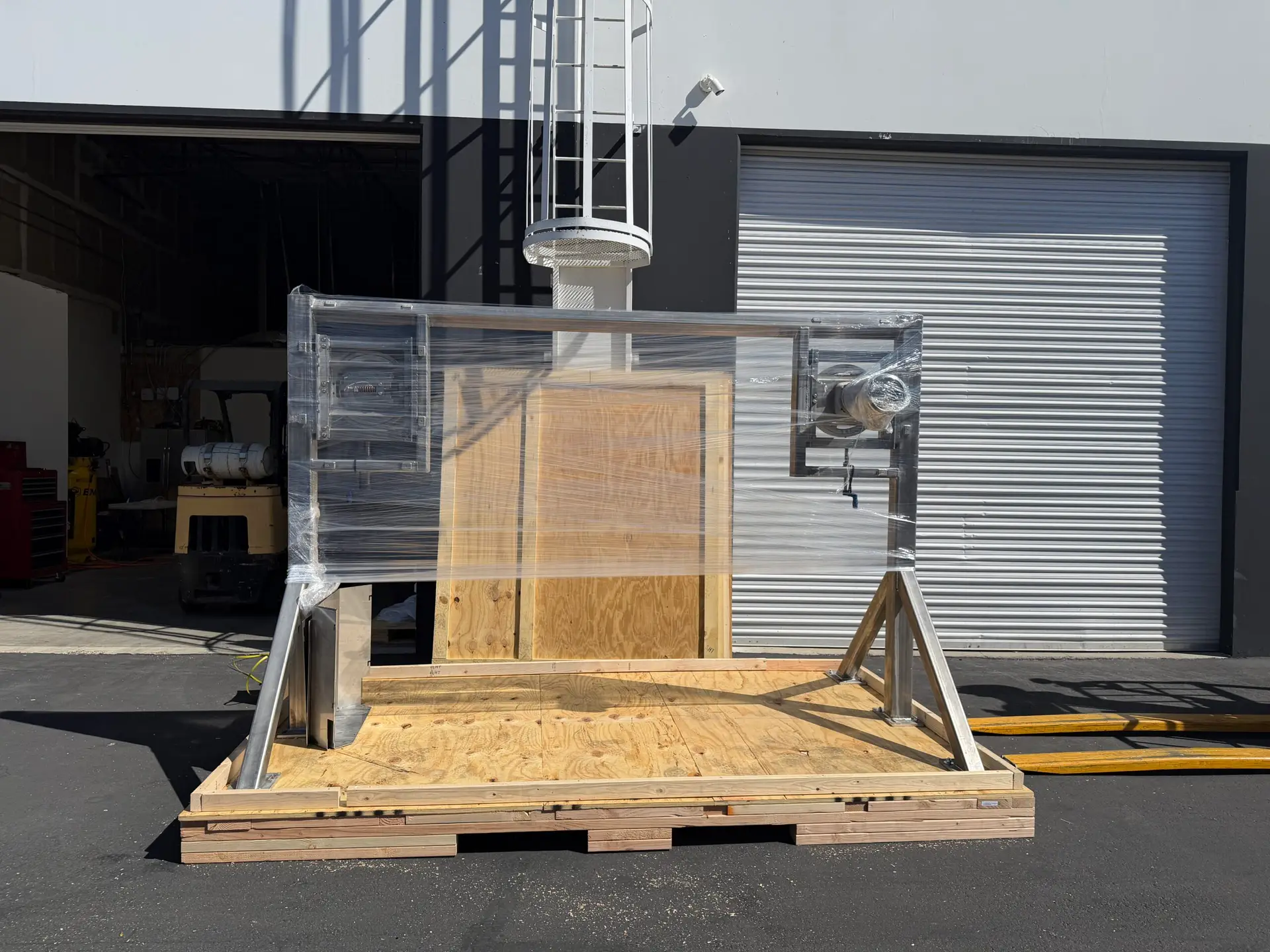
Start with the cargo and journey. Then decide whether presentation features or repeated use are relevant. This approach helps Las Vegas businesses compare packaging options on their actual requirements.
Define the protection the item needs
Record the dimensions and weight, fragile areas and permitted orientation. Include the manufacturer's or owner's packing instructions where available. A vintage instrument, event decoration and industrial component may need very different support arrangements.
Ask how the proposed crate addresses those details and what remains the responsibility of the transport provider. A wood enclosure does not by itself make the contents theft-proof, weatherproof or immune to rough handling.
Decide whether appearance has a practical role
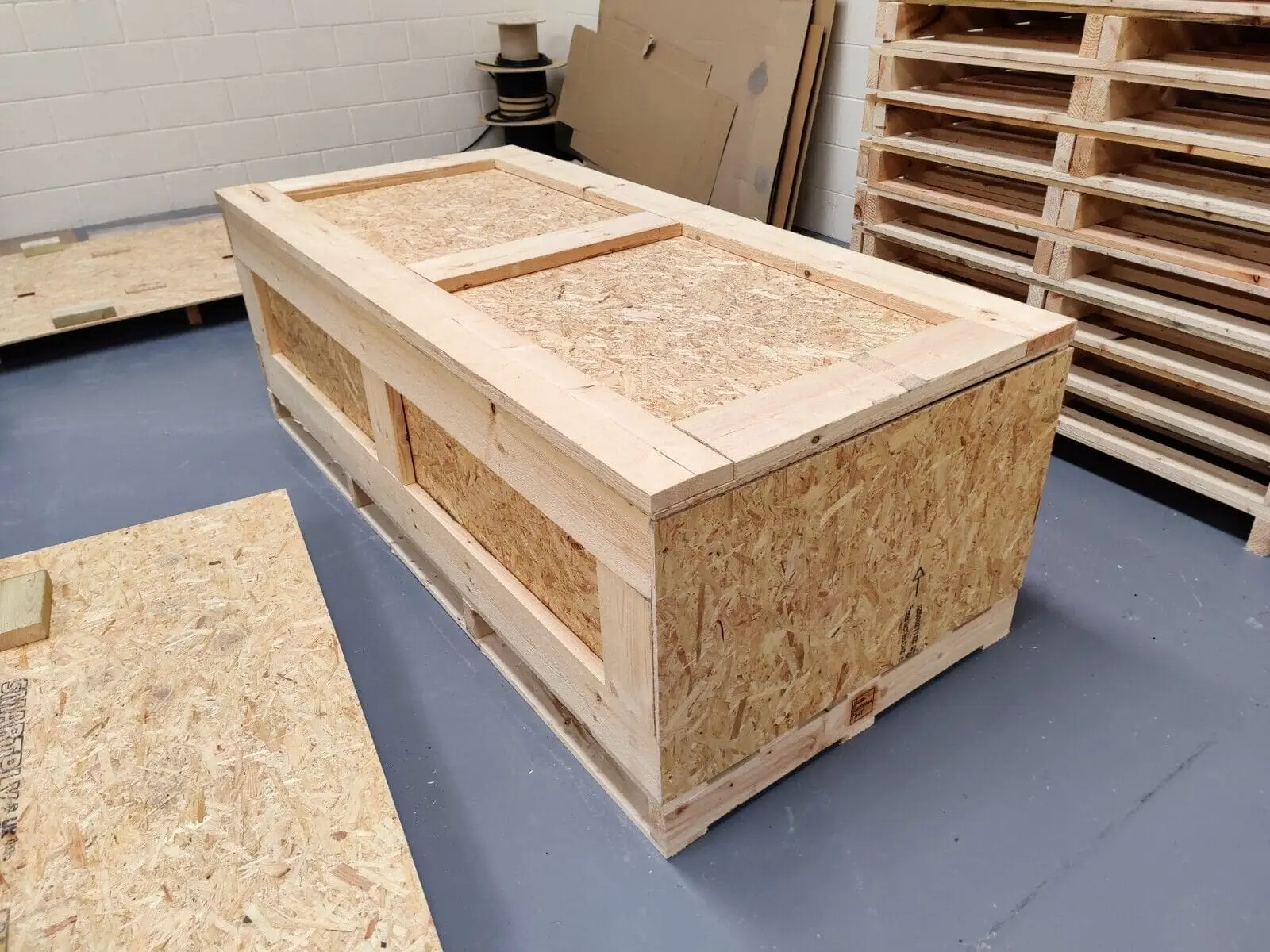
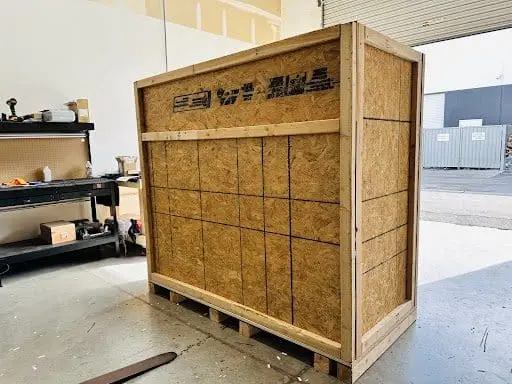
A visible crate can support consistent presentation or help a crew identify a shipment. If you need a particular finish or marking, make it part of the design brief and confirm availability. Keep the required destination, handling and opening information clear.
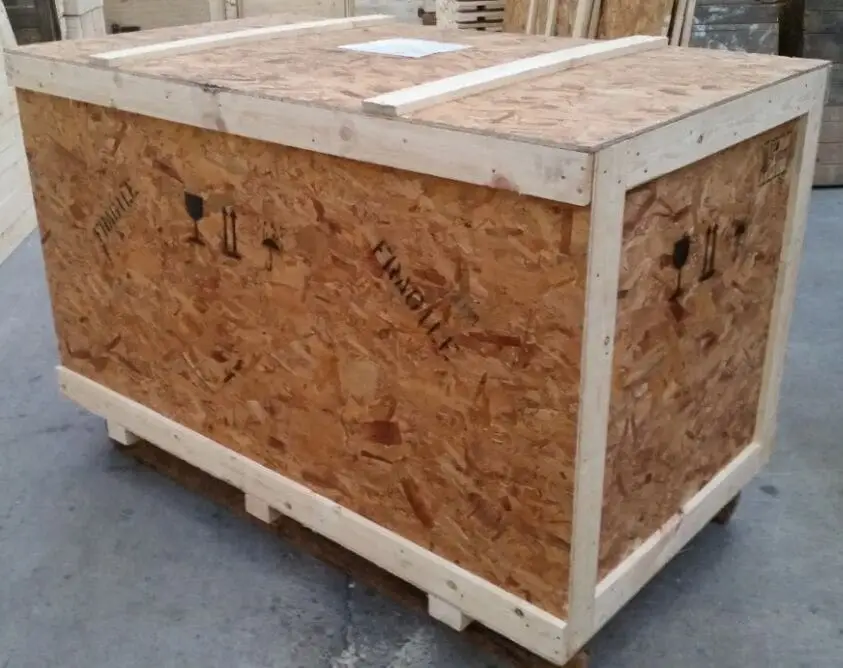
For a package that goes straight to a receiving dock, an uncomplicated exterior may be sufficient. Spend on presentation where it supports an actual customer or operational need rather than treating decorative work as a prerequisite for effective packaging.
Compare wood with the alternatives
Choose the packaging system around the item, carrier and intended use. Corrugated packaging, reusable cases, pallets and crates can each be appropriate. A material label alone does not show which package will perform best for your shipment.
Ask for comparable scopes when evaluating options: interior materials, packing labor, finished size and weight, transport, storage and repair all belong in the discussion. Avoid comparing only the empty containers.

Turn sustainability claims into questions
Wood is not evidence of a lower environmental footprint in every application. Ask what the crate is made from, how it will be used and what can happen to the materials afterward. Claims about sourcing, recycled content or carbon savings need specific support.
- Is there documentation for any claimed material certification?
- Will the same crate realistically be used again?
- Who will inspect, store and repair it?
- Are return transport and empty-crate storage practical?
- Which components can the destination recover or recycle?
The EPA's reduction and reuse guidance supports considering waste prevention early. It does not establish the environmental performance of a particular crate or company.
Specify the next use before the first shipment
A reuse plan is more useful when it identifies the expected contents and packing arrangement. Label removable supports, retain the instructions and inspect the crate after travel. Review any damaged parts before another shipment.
If the cargo changes, reassess the design. A crate sized for one item may not support another item safely, even if it fits inside. For international reuse, also ask the relevant provider to review applicable wood-packaging requirements.
PLAN YOUR CRATING
Build a clear crate specification
Share your cargo details with Crates of Las Vegas and explain which presentation and reuse goals matter. Ask the team to separate essential protection from optional features in the proposed scope and quotation.
Discuss your crate projectMORE CRATING GUIDES