

LAS VEGAS · CRATING GUIDE
How Custom Wooden Crates Support Las Vegas Business Shipping
For a business, a crate is also a working tool. It affects how a shipment is identified, loaded, opened and prepared for its next move. A useful design supports the people handling it as well as the goods inside.

Las Vegas galleries, equipment suppliers and exhibitors may need different packing systems, but each benefits from a clear brief and repeatable handoffs. Custom construction is most valuable when it resolves a specific operational problem.
Define durability in practical terms
Tell the builder how often the crate will travel, what it carries and which handling equipment is available. A one-way enclosure and a repeated-use exhibit crate can need different access and closure arrangements.
Ask what load and handling assumptions guide the design. Appearance alone does not establish a stacking rating, resistance to a drop or protection from harsh weather. State specialized requirements explicitly and request suitable evidence where performance is critical.
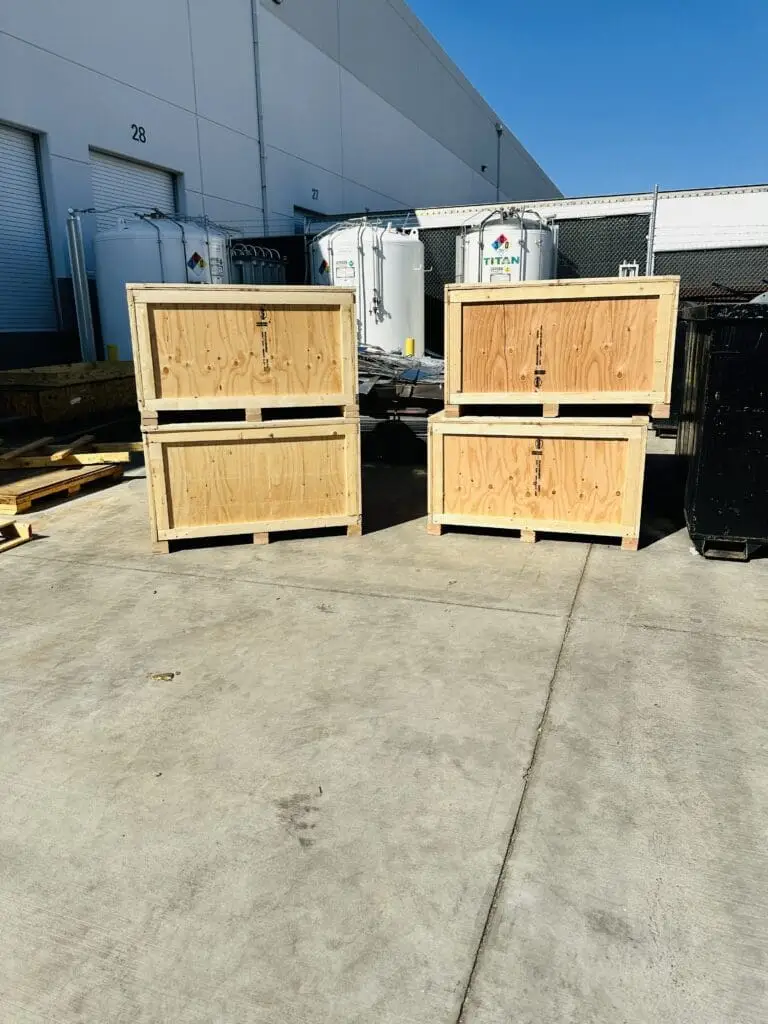
Turn item details into a usable specification
Supply the dimensions and weight of the shipping configuration, together with photographs and approved lifting or support points. Include detached accessories and explain which pieces need to be accessible first.
Review the proposed interior arrangement before packing. Compartments and cushioning should protect suitable contact areas, while labels and a packing diagram can help a different team repeat the arrangement later.
Keep industry requirements distinct
- Galleries and collections: condition records, compatible interfaces and safe handling of sensitive surfaces.
- Medical-equipment businesses: manufacturer-led preparation, transport limits and separate commissioning after delivery.
- Exhibitors: a component inventory, setup order, venue receiving instructions and move-out plan.
- Machinery shippers: reliable weight, appropriate restraint points and loading access.
A shared outer-crate design does not make these requirements interchangeable. Ask the responsible object or equipment specialist to resolve uncertainties before a packing method is chosen.
Check international packaging obligations
Where the route requires it, obtain appropriately treated and marked regulated wood packaging. ISPM 15 is a phytosanitary measure, not a general structural safety certification.
Do not assume it is required merely because a shipment crosses a U.S. state line. Have the destination and any transit requirements checked, and keep wood-packaging compliance separate from the cargo's documents and import eligibility.
Evaluate business value across repeated shipments
Compare packing time, crate cost, freight size and weight, storage and expected reuse. Record damage or packing difficulties from real shipments so future changes are based on evidence.
Reusable wood packaging may reduce the need for replacement enclosures when it remains suitable. Its value depends on inspection, repair, return freight and actual reuse. Ask about sourcing and local recovery options rather than assuming a universal environmental advantage.
Insurance cost and coverage should be checked with the insurer. Choosing a crate does not by itself establish a reduced premium.
PLAN YOUR CRATING
Build a clear business-crating brief
Contact Crates of Las Vegas about custom crating with your load details and repeat-shipment process. Include the handling team's needs so the proposed crate works as part of your day-to-day operation.
Discuss your crating projectMORE CRATING GUIDES




