


CRATING & PACKAGING GUIDES
Custom Packaging Trends in 2025 for Las Vegas Businesses
For Las Vegas businesses planning packaging in 2025, the useful question was which changes suited their products and shipping routes. Reusable containers, digital identification, branded presentation, and design software each addressed different needs. None was a substitute for a package that supported the item and matched its handling conditions.
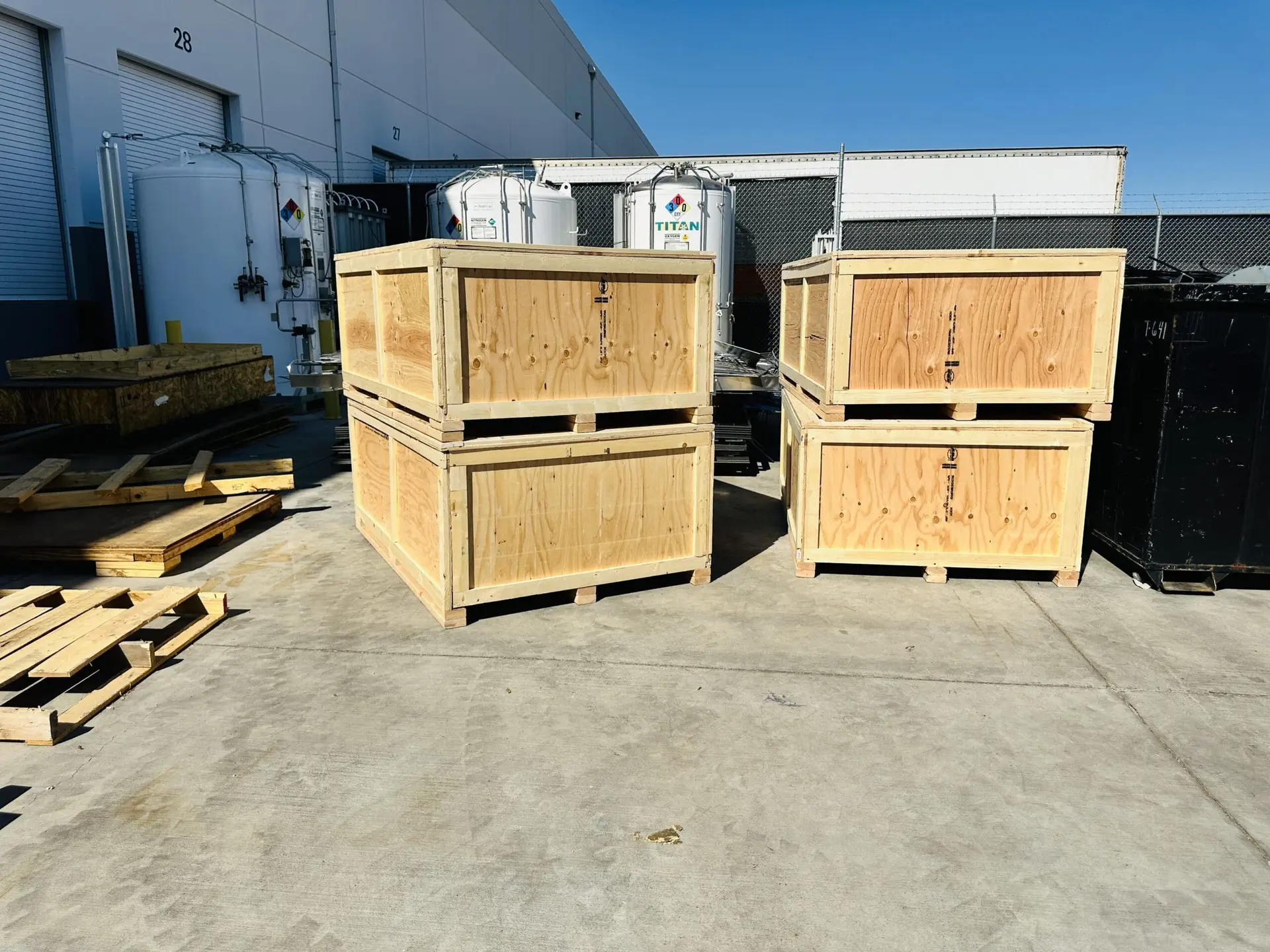
Evaluate trends against your shipping requirements
Start with the recurring problem: damaged corners, missing exhibit parts, excess empty space, slow repacking, or surplus branded boxes. Record the current packaging, packed dimensions, shipment frequency, and relevant costs before changing the design. This makes a pilot easier to judge than a general promise of smarter packaging.
| Priority | Useful application | Question before buying |
|---|---|---|
| Reuse | Exhibits and equipment on repeat routes | Who returns, stores, and inspects the empty crate? |
| Identification | Inventory lists and repacking instructions | Who scans the label and maintains the records? |
| Presentation | Retail products and hospitality packs | Does the finish suit the product and disposal route? |
| Design tools | Repeatable dimensions and material cutting | Who checks the design and physical sample? |
Choose sustainable materials with a disposal plan
Compare recycled corrugated board, paper wraps, reusable wood structures, and fitted inserts by the protection each must provide. A lightweight pack is useful only if it remains suitable for the shipment. Ask which parts can be separated and which local processor will accept them.
Plant-based and compostable packaging need particular care: a material label does not establish that the complete package can go in a household recycling bin. The FTC Green Guides caution against broad environmental claims without supporting evidence. Request specific material and recovery information.
- Test the proposed cushioning with the actual product.
- Ask for documented recycled content or sourcing claims.
- Include return transport, storage, repairs, and disposal when comparing reusable options.

Distinguish identification from active tracking
A QR code can connect a crate to an inventory, assembly guide, or service page when someone scans it. It does not broadcast the crate’s location. RFID systems require compatible readers; an active location or condition logger has its own power, connectivity, and data-access requirements.
The GS1 traceability standard provides a framework for identifiers and recorded supply-chain events. For a small exhibit program, a unique crate number, an up-to-date packing list, and a scan at each handoff may be a more useful starting point than a complex dashboard.
- Specify which events must be recorded: packed, collected, received, and returned.
- Keep customer-facing promotional links separate from private shipment records.
- Confirm how a logger reports data, who checks alerts, and whether the carrier accepts it.
Make personalization and luxury finishes serve the product
Printed sleeves, name-specific messages, removable inserts, and coordinated colors can support a retail or guest experience. Compare a physical sample before committing to a larger order. Check whether coatings, foils, magnets, or mixed materials complicate recovery.
Measure results from your own pilot rather than assuming premium packaging increases sales. Useful measures include packing time, damaged units, unused stock, customer feedback, and the cost of changing the design. Short-run personalization is most useful when the information and quantity are known.
Keep protective crating and export preparation central
Fine art, machinery, medical equipment, and exhibit components have different support points and handling limits. Ask for a design that separates structural support from cushioning, allows the required access, and considers how the receiver will unpack the item.
On-site crating can avoid an unprotected trip to a workshop, but requires space and a workable exit route. For international moves, regulated solid-wood packaging may need approved treatment and marking under ISPM 15. That standard addresses pest risk, not crate strength or assured customs clearance.

Coordinate freight and test automation carefully
Compare less-than-truckload, dedicated road transport, air, and ocean options against the finished crate dimensions, handling steps, delivery requirements, and quoted service scope. Packing, transport, customs brokerage, storage, and installation may involve different providers even when one contact coordinates them.
Design software, cutting optimization, and AI-assisted planning can be evaluated as tools. They do not establish load capacity or protective performance by themselves. Do not assume a local crate builder offers these systems; ask which design checks and samples are included.
- Select one recurring item or exhibit kit for a pilot.
- Record dimensions, material use, packing time, and relevant shipment outcomes.
- Review the proposed design with the people packing, lifting, and receiving it.
- Compare a physical sample and measured results before extending the design.
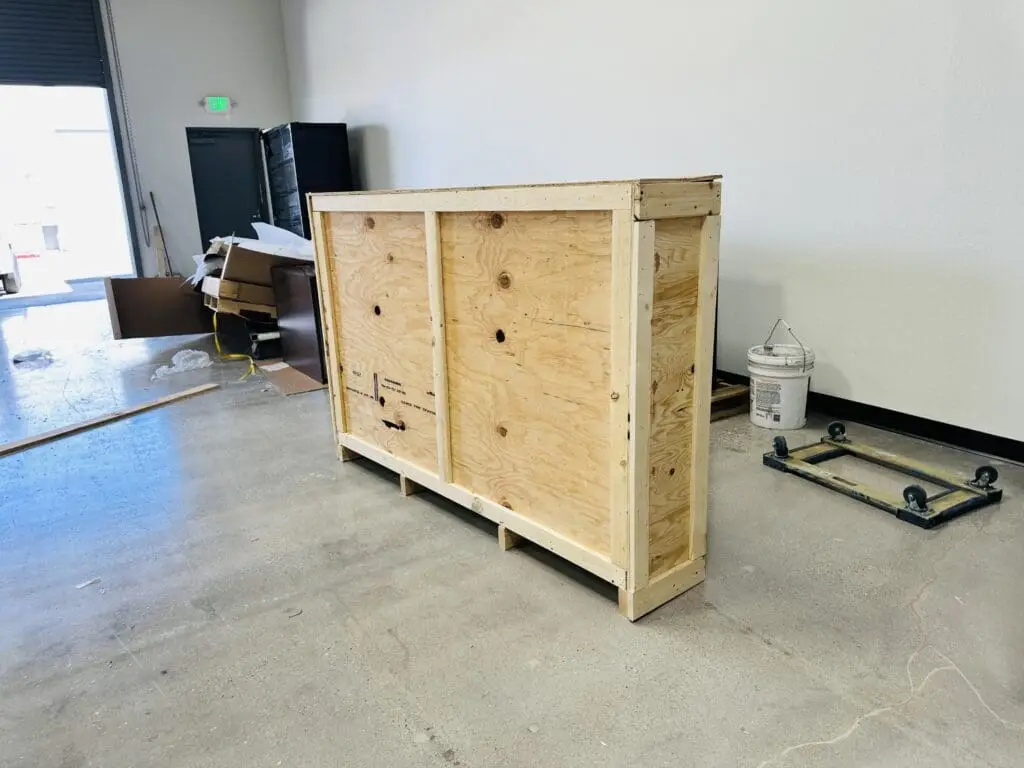
PLAN YOUR CRATING
Discuss a practical packaging improvement
Send item dimensions, weight, photos, shipment frequency, destination, and the problem you want to solve. Crates of Las Vegas lists custom crating, packaging, and on-site services; confirm any specialist tracking, printing, or logistics requirements for your project. Contact Crates of Las Vegas to discuss the scope, availability, and quote.
Discuss your crating projectMORE CRATING GUIDES




