BUSINESS PACKAGING · PLANNING GUIDE
Packaging Services for Businesses: Materials, Branding, Sustainability, and Logistics
Businesses use packaging for several jobs at once: protecting a product, helping people handle it, communicating a brand, and preparing it for a particular distribution route. Choosing services becomes easier when each requirement is written down before a material or design is selected.
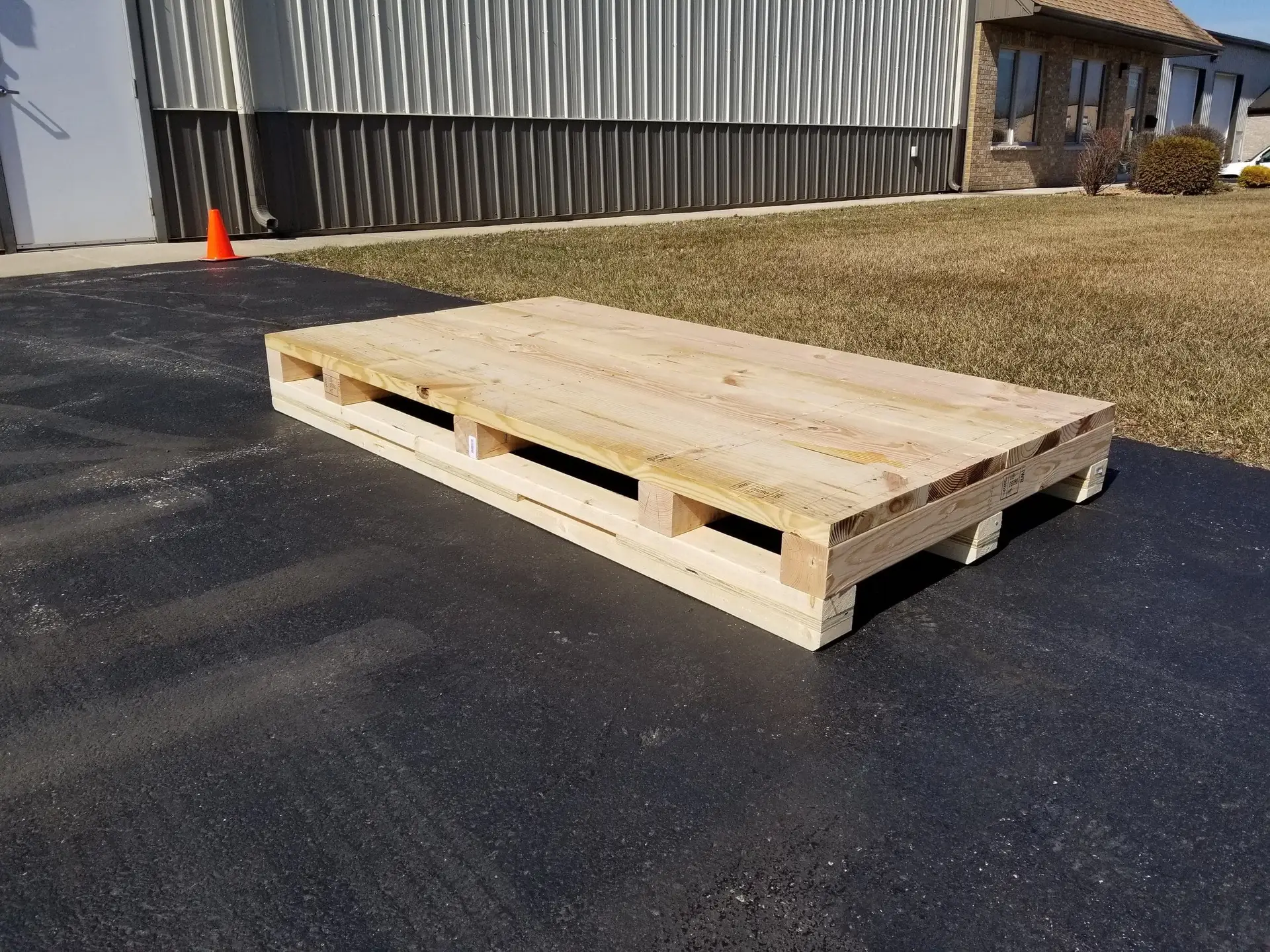
This guide separates the main decisions so you can compare proposals on a useful basis. A retail package, a protective shipping container, and a reusable crate may serve different purposes within the same project.
Choose materials around the product and journey
Begin with the product's dimensions, weight, shape, and vulnerable areas. Then describe the route: how it will be collected, handled, stored, and received. These details help determine whether the job calls for a corrugated package, protective inserts, a pallet, a wood crate, or a combination.
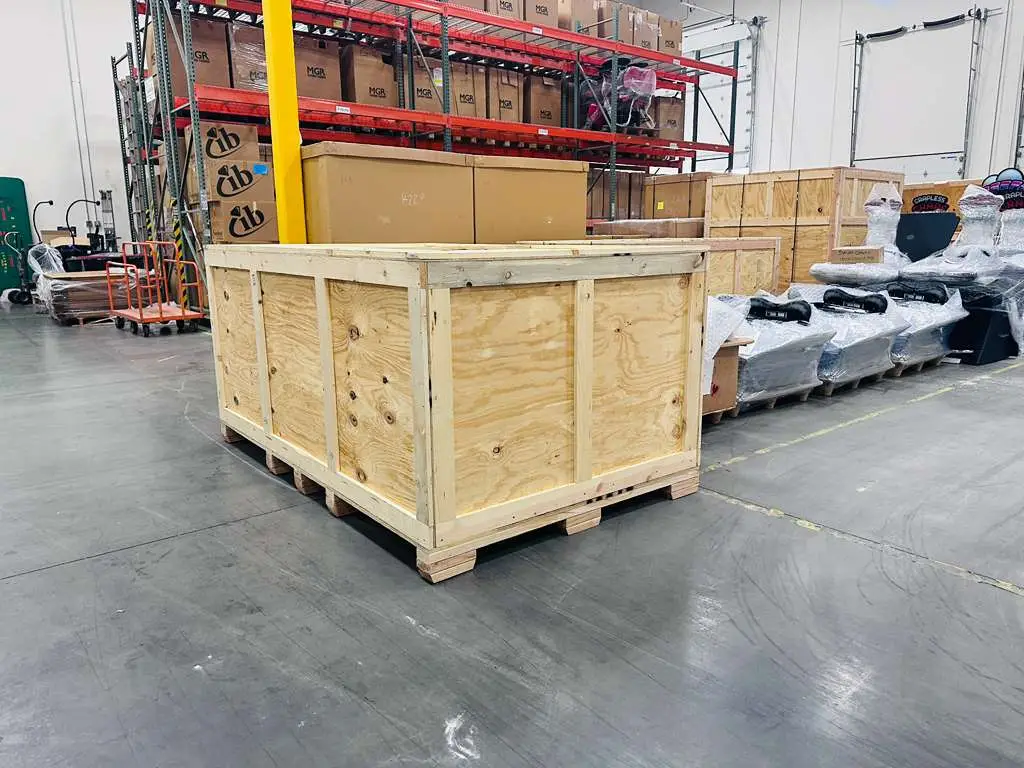
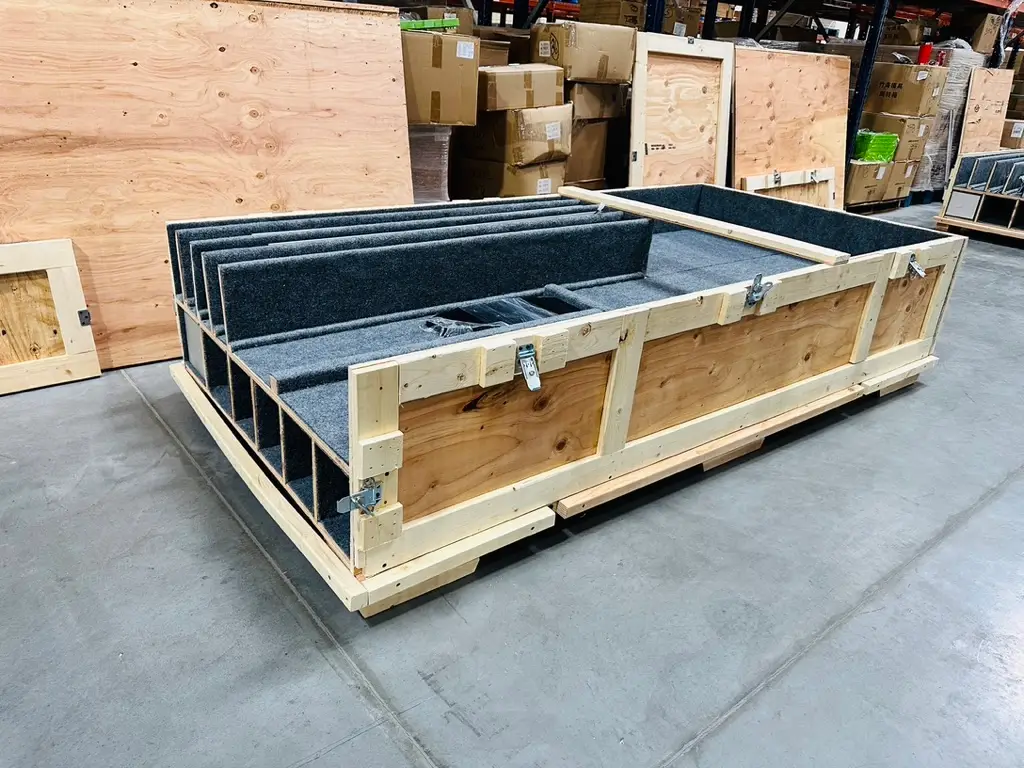
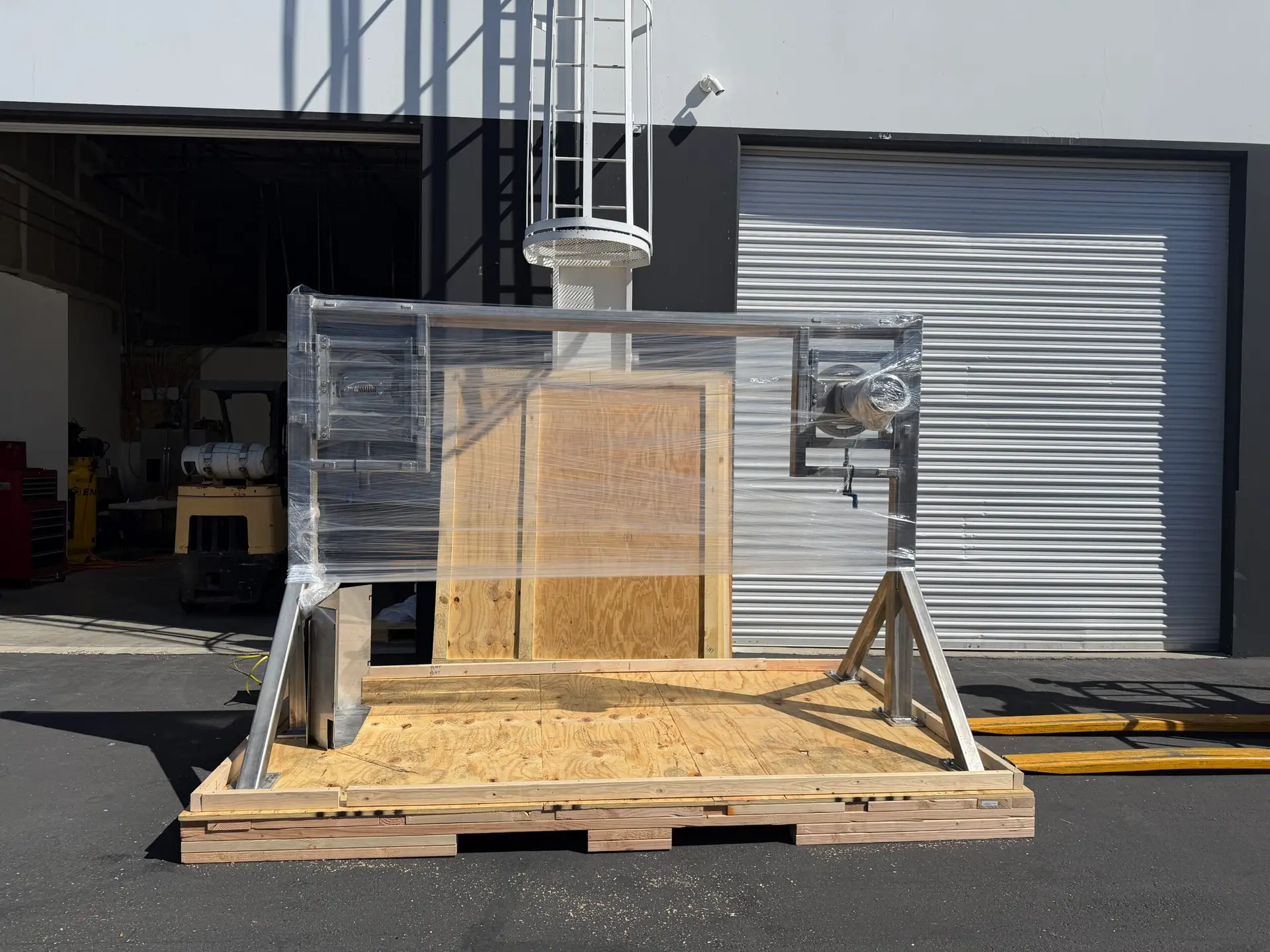
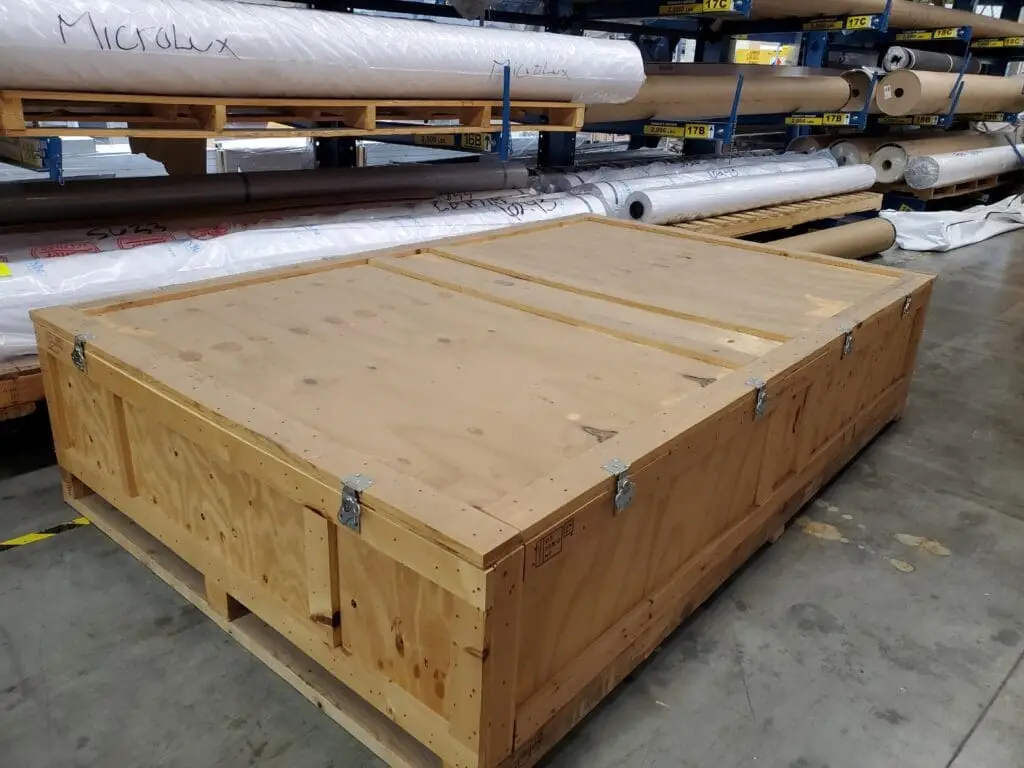
Crates of Las Vegas lists foam, protective wrapping, wood components, and other options within its custom packaging services. Ask the provider to explain the proposed materials and the specific purpose of each layer. A new or unusual material is useful only if it suits the product and the intended handling conditions.
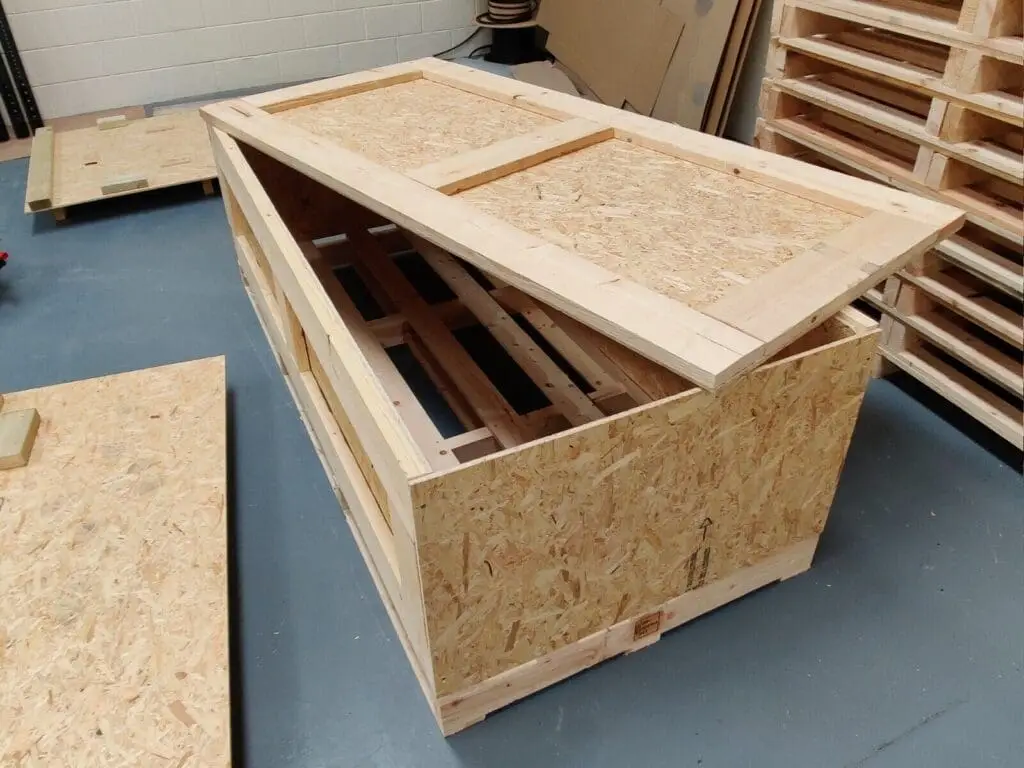
For a repeat shipment, document the agreed packout so the next order can be assessed against the same information. If the product, supplier, route, or receiving process changes, review the packaging again.
Use customization to make the brand clear
Custom dimensions and internal organization can improve the receiving experience alongside color, graphics, and product information. Decide what the customer sees first and what they need to know before removing the item.
Provide approved artwork and text to any supplier handling printed or branded elements. Confirm whether that work is offered directly or needs a separate provider. Keep transport labels, product identification, and opening instructions readable. Marketing language should describe the actual product and package rather than promise an outcome the packaging cannot establish.
Make environmental goals specific
Start with a concrete question: can the package use less unnecessary material, be reused for a planned return, or be separated into materials the recipient can actually recycle? Compare those options with the level of protection the product needs.
Be careful with broad words such as “green,” “biodegradable,” or “recyclable.” The FTC's Green Guides summary explains that environmental claims need support and appropriate qualifications. A material's name alone does not show that the entire package has a suitable disposal route.
- Ask which packaging components the claim covers.
- Request evidence for any recycled-content or compostability claim.
- Check local collection requirements for the recipient's location.
- Give clear separation, reuse, or disposal instructions when supported.
Keep sustainability targets measurable within your own project. Record actual material use or completed reuse cycles rather than assuming every wood or paper package produces an environmental saving.
Connect packaging to the supply chain
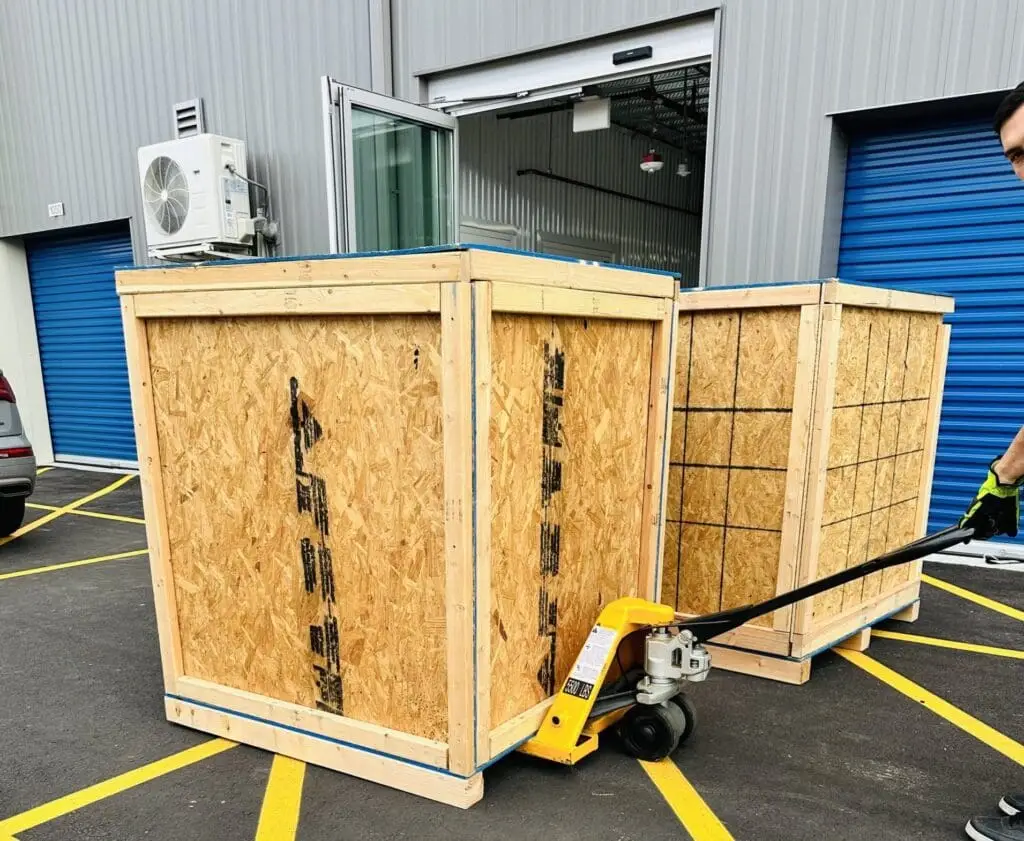
Packaging decisions affect more than the packing bench. Confirm the completed package's outside dimensions and weight, the equipment required to move it, and the space available at collection and delivery. A package that is convenient at one facility may be difficult to handle at another.
| Service question | What to confirm |
|---|---|
| Packing | Where it happens, who supplies the item, and which materials are included. |
| Transport | Who books collection, the intended service, and any access requirements. |
| Receiving | Contact person, unloading method, appointment needs, and unpacking plan. |
| Repeat orders | Approved item details, quantity, lead-time expectations, and change process. |
Compare quotes using the same scope. Keep packaging charges, transport arrangements, storage, and any optional services visible so a lower headline price is not mistaken for an equivalent proposal.
Make the receiving experience part of the message
A thoughtful package can communicate care through clear instructions and orderly contents. Ask what the recipient needs at the moment of opening: an inventory, assembly sequence, product identification, or a contact for questions. Keep that information easy to find.
For customer-facing work, review the finished package with someone who has not seen the design brief. Can they identify the product, understand the opening method, and separate the components? This practical review can expose confusion before the same package is repeated across an order.
PLAN YOUR CRATING
Define your business packaging scope
Give Crates of Las Vegas a product description, dimensions, weight, quantity, route, and required dates. Include branding, repeat-use, and disposal goals as questions to resolve, then discuss the packaging services appropriate for your business.
Discuss business packagingMORE CRATING GUIDES