

LAS VEGAS · CRATING GUIDE
Custom Crates in Las Vegas: Why Packaging Matters
Packaging decisions shape how a shipment can be handled as well as how its contents are protected. A custom crate becomes useful when an item's weight, shape or fragile surfaces call for a support system that a stock container cannot readily provide.
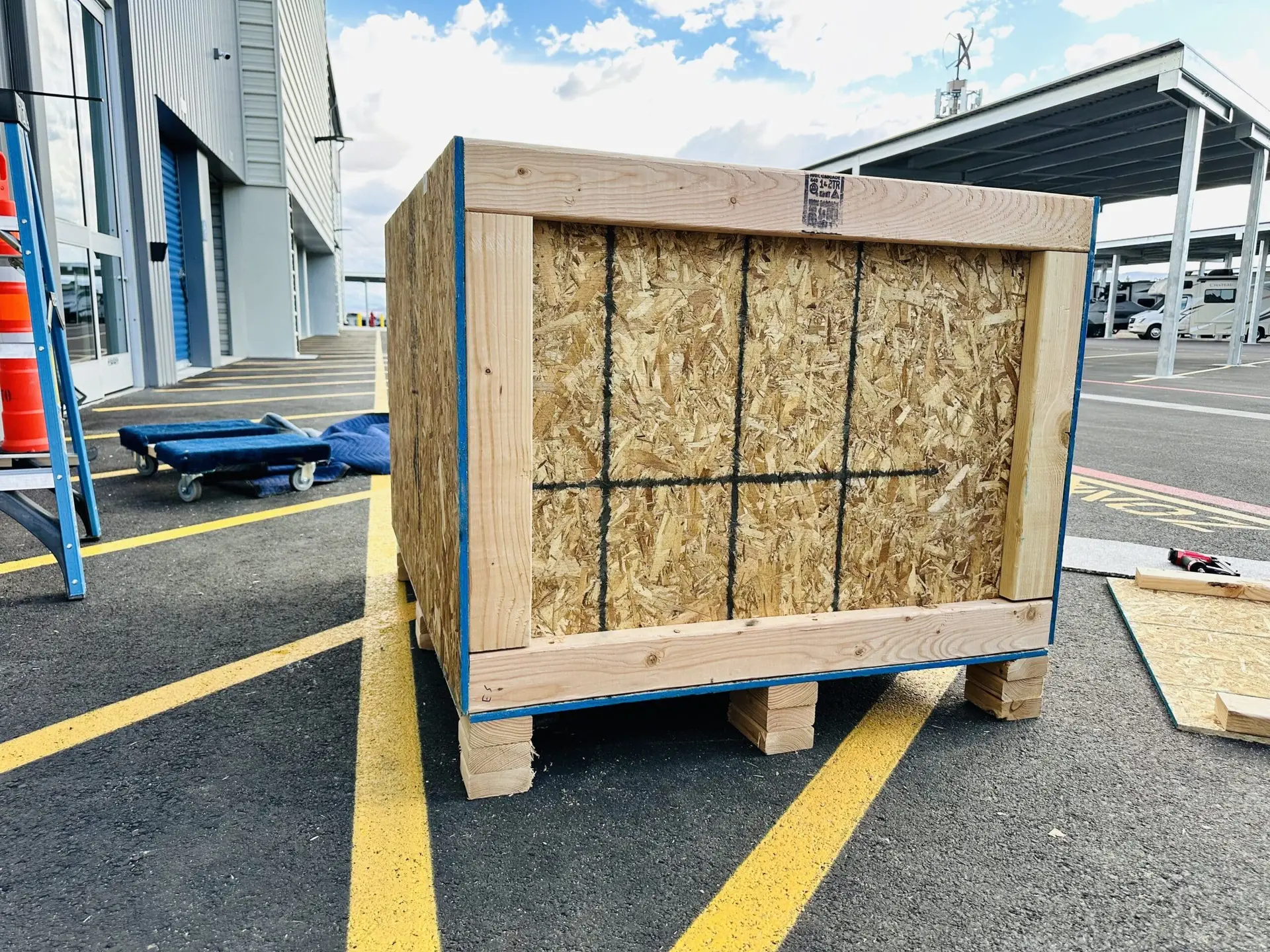
In Las Vegas, that can apply to exhibit displays, artwork, medical equipment, electronics or machinery. The right starting point is the individual item and its journey, rather than a promise that one construction method will suit every shipment.
Design the fit around the protective system
Measure the item in its actual shipping configuration, including any projecting parts. Record its weight and identify the areas that can safely be supported or restrained. The crate's interior must also accommodate the chosen cushioning and clearance.
A sculpture, a flat-screen display and an industrial component need different contact points. Ask the provider how the proposed packing keeps vulnerable areas away from hard surfaces and controls unwanted movement.

Choose materials for a defined purpose
The base and framing carry the load, panels form an enclosure, and internal packing addresses contact and movement. Discuss those roles separately so each material has a clear purpose.
Moisture barriers, static-control materials or insulation may be relevant to some goods, but they should be specified from the item's requirements and confirmed with the provider. A wood crate is not inherently waterproof or climate-controlled, and a treated-wood mark does not establish cushioning performance.
Provide the requirements for your industry
- Exhibits: include the component list, setup order and event receiving instructions.
- Artwork: identify sensitive surfaces and provide any conservator's handling directions.
- Medical equipment: obtain the manufacturer's transport, deinstallation and commissioning requirements.
- Electronics: identify detachable parts, orientation limits and approved packaging instructions.
- Machinery: supply reliable weight, lifting and attachment information.
For medical devices, packaging does not confirm that equipment is ready for clinical use after transport. Follow the appropriate inspection and commissioning process separately.
Plan access, lifting and freight acceptance
Review the full route from the item's current location to its final placement. Confirm loading equipment, door clearances and how the receiver will open the crate. Ask whether any stacking is permitted rather than assuming a flat-topped enclosure can carry another load.
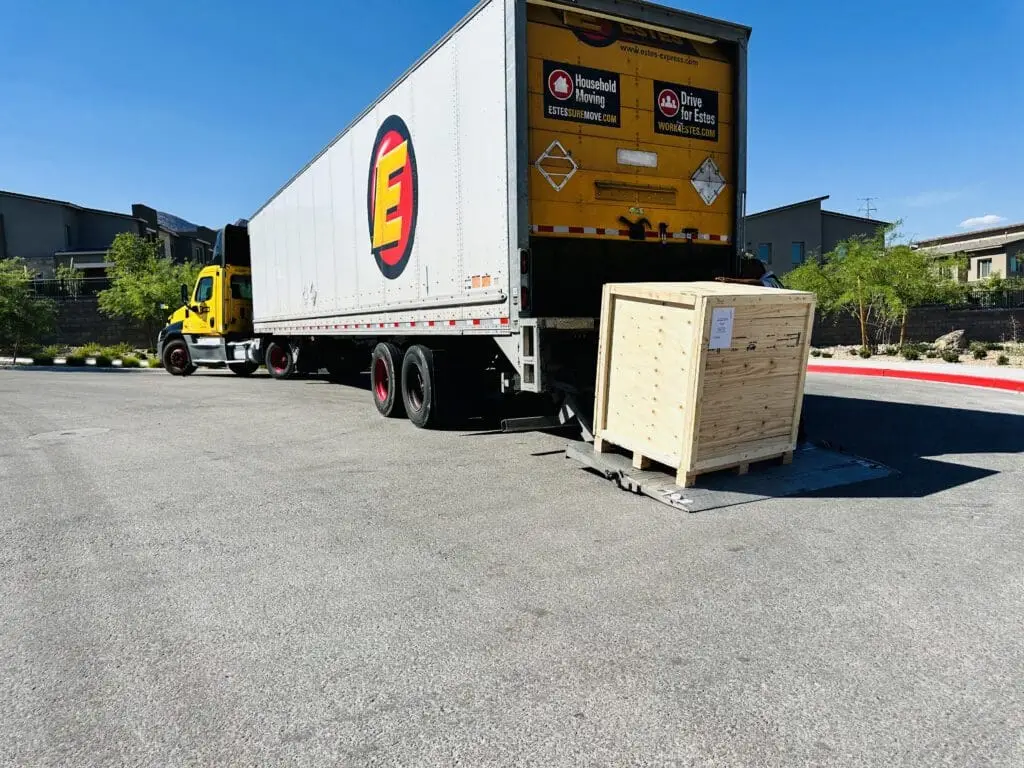
Use the completed crate's external dimensions and gross weight for the transport booking. Discuss carrier acceptance and special handling before pickup so the finished package matches the agreed service.
Confirm on-site work and urgent scheduling
On-site crating may be worth discussing when moving the uncrated item is difficult. Provide access photographs, working-space details and building restrictions so the team can assess the location.

For an urgent job, confirm the available packing date and carrier pickup separately. A requested deadline is not a guaranteed turnaround. Allow time for measurement checks, packing and the receiving arrangements.
PLAN YOUR CRATING
Choose packaging with the whole shipment in mind
Contact Crates of Las Vegas about custom crates with photographs, dimensions, weight and the destination. Share the handling instructions and delivery deadline so the proposal can address protection and practicality together.
Discuss your crating projectMORE CRATING GUIDES




