
LAS VEGAS · CRATING GUIDE
ISPM 15 Wooden Crates: A Guide for Las Vegas Exporters
Export packaging has two separate jobs: protecting the cargo and meeting the destination's applicable packaging requirements. ISPM 15 is relevant to the second job when regulated wood packaging is used.
For a Las Vegas exporter, organizing those requirements early helps the crate builder, carrier and broker work from the same information. A treatment mark cannot replace a cargo-protection design or a complete export plan.
Check the route and the complete wood package
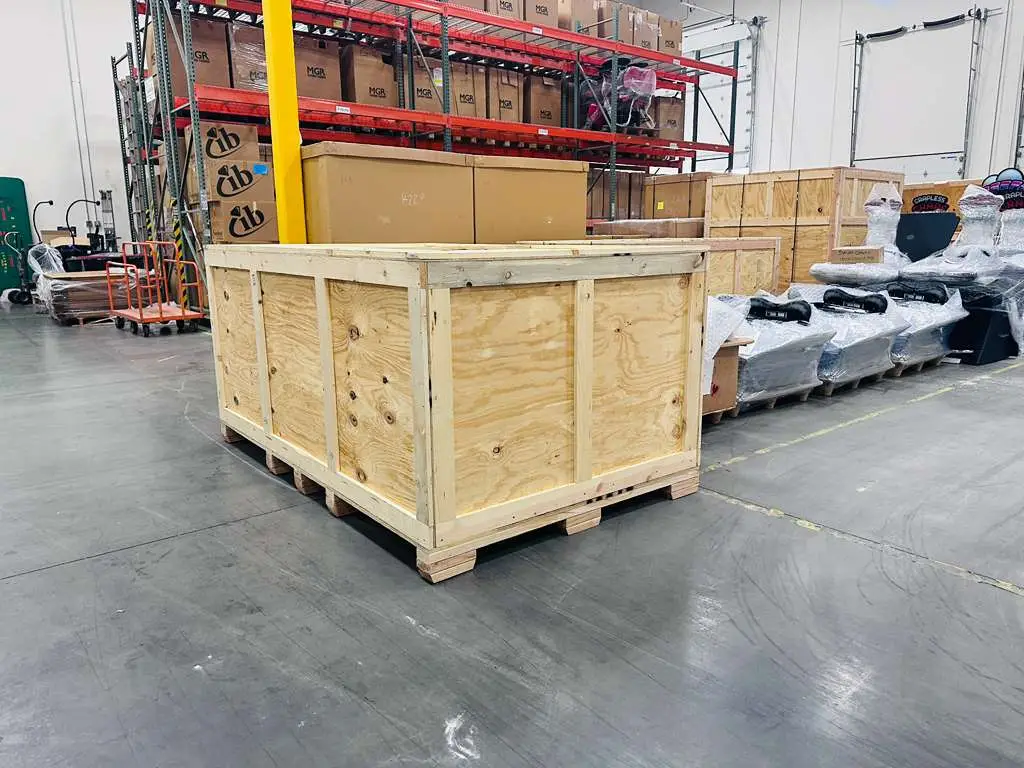
Provide the destination and any known transshipment points. Identify the crate, pallet, skids and loose dunnage rather than looking only at the enclosure panels.
ISPM 15 covers regulated wood packaging and includes exclusions for qualifying processed materials. Solid-wood members can remain relevant in a crate with plywood panels. Confirm the actual destination rules instead of assuming all packaging and routes are identical.
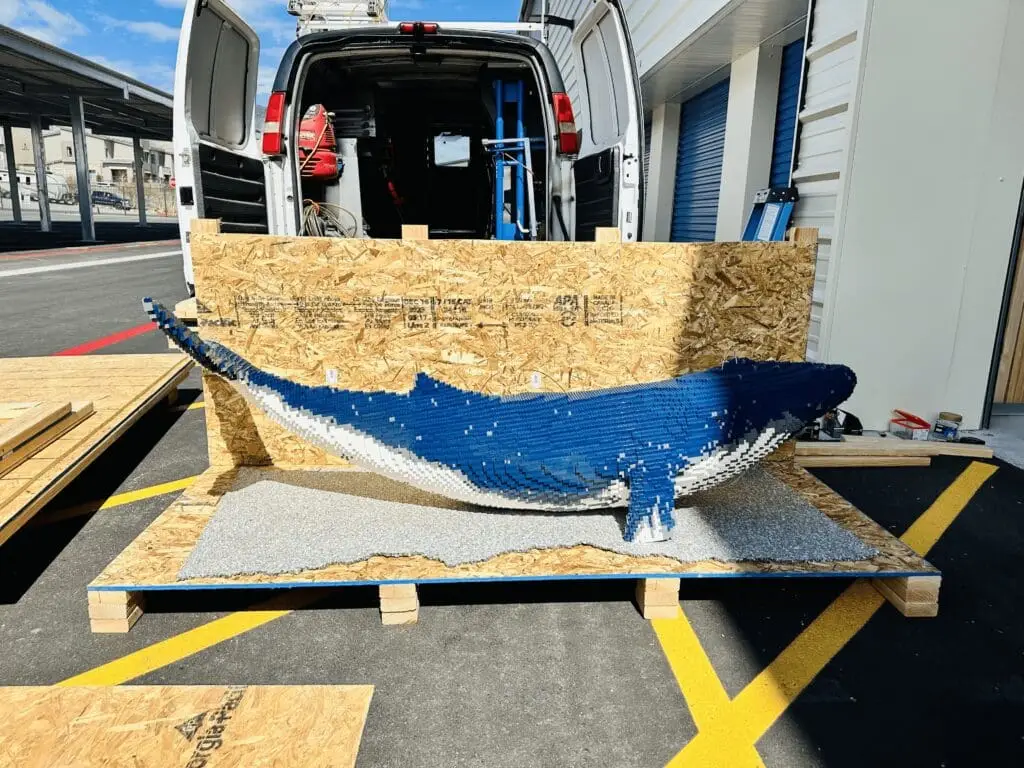
Arrange treatment and authorized marking
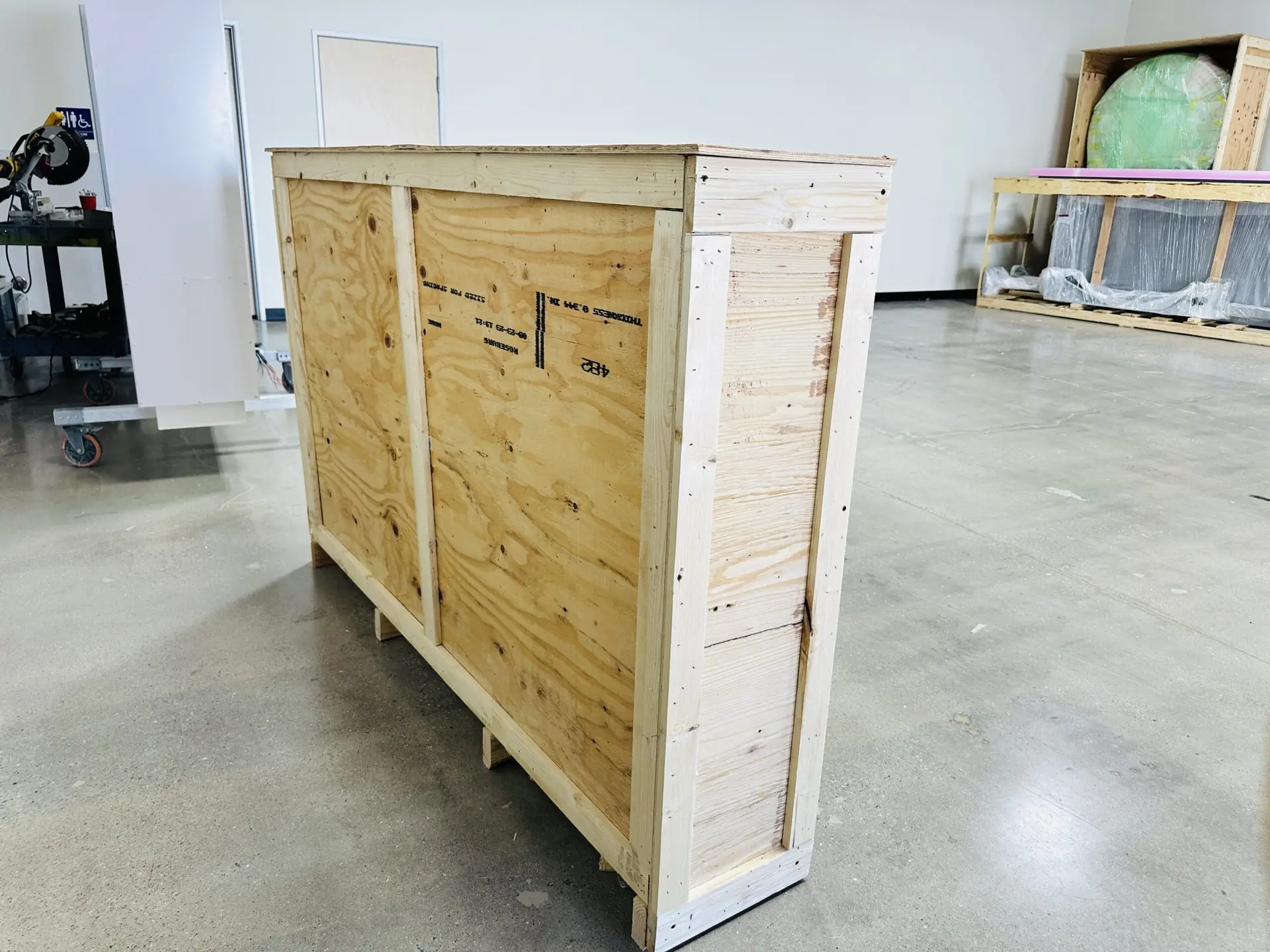
Ask the provider how compliant wood packaging will be obtained and who is responsible for the required mark. The marking process must be handled through the appropriate authorized system; exporters should not improvise their own stamp.
APHIS explains U.S. export wood-packaging options. Use the guidance to clarify supplier responsibilities and refer route-specific questions to the relevant plant-health authority or your shipping adviser.
Treatment is intended to reduce pest risk. It does not make the contents sterile or certify a crate against impacts, vibration or temperature exposure.
Specify physical protection on its own merits
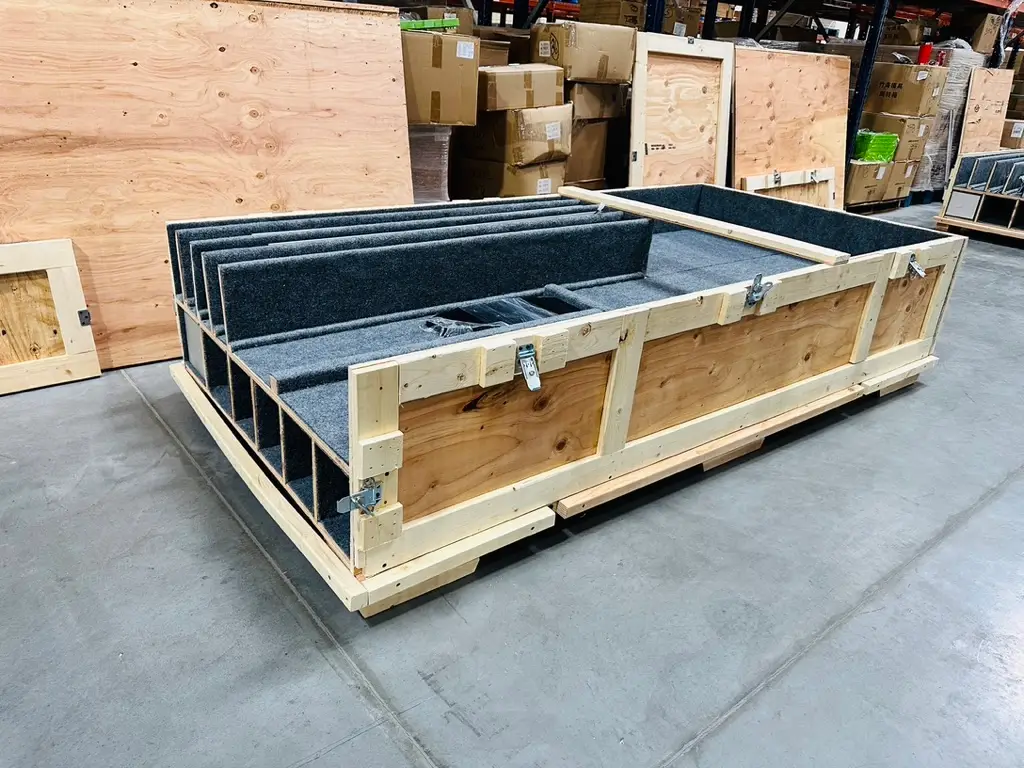
Give the crate builder the cargo's dimensions, weight and fragile areas. Include approved restraint points, orientation and lifting instructions. For unusual or sensitive loads, ask what design review or performance evidence is needed.
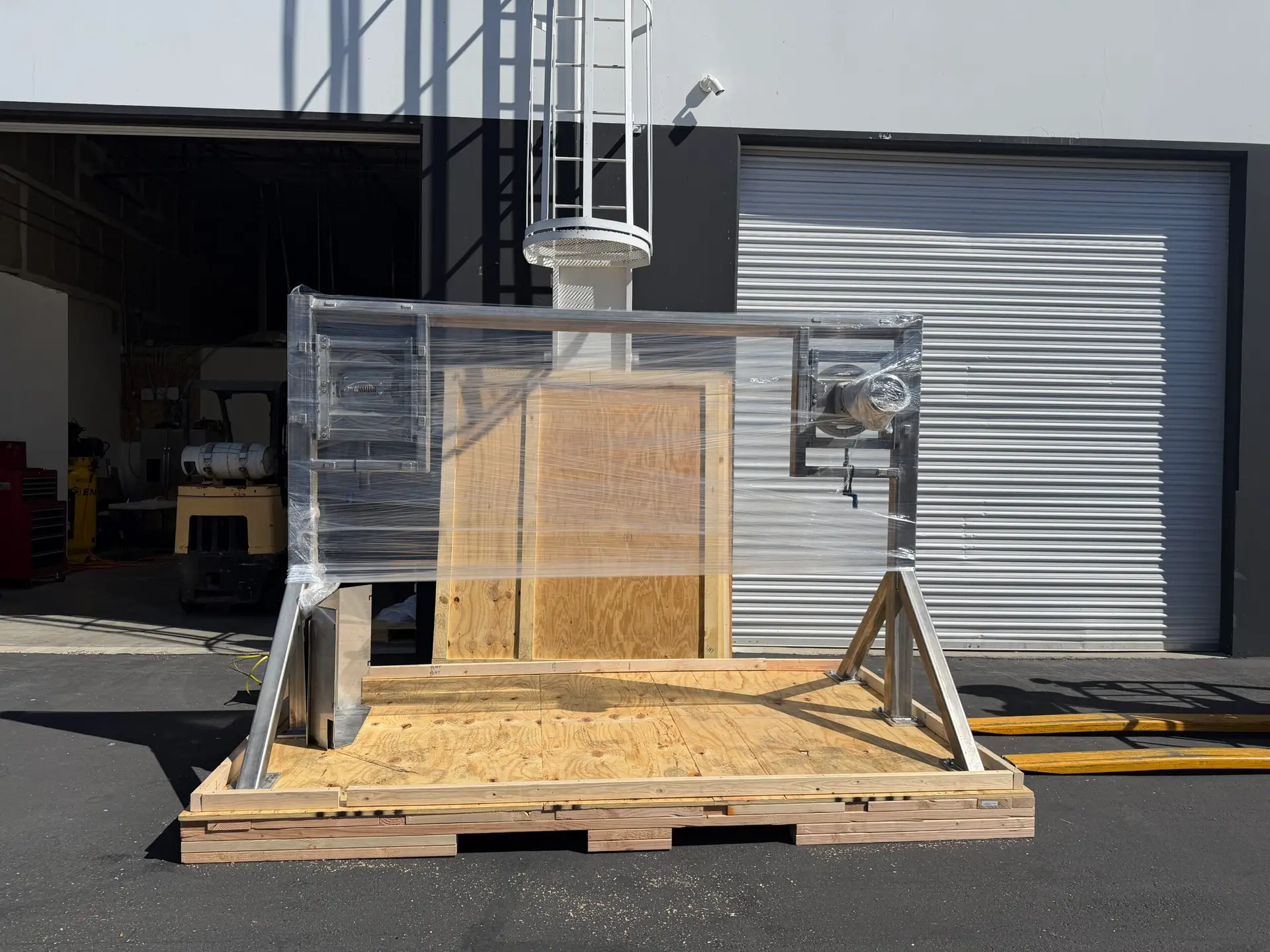
Custom supports and cushioning should suit the item. A treated wooden crate still needs a suitable base and interior arrangement, and any weather or moisture protection must be specified separately.
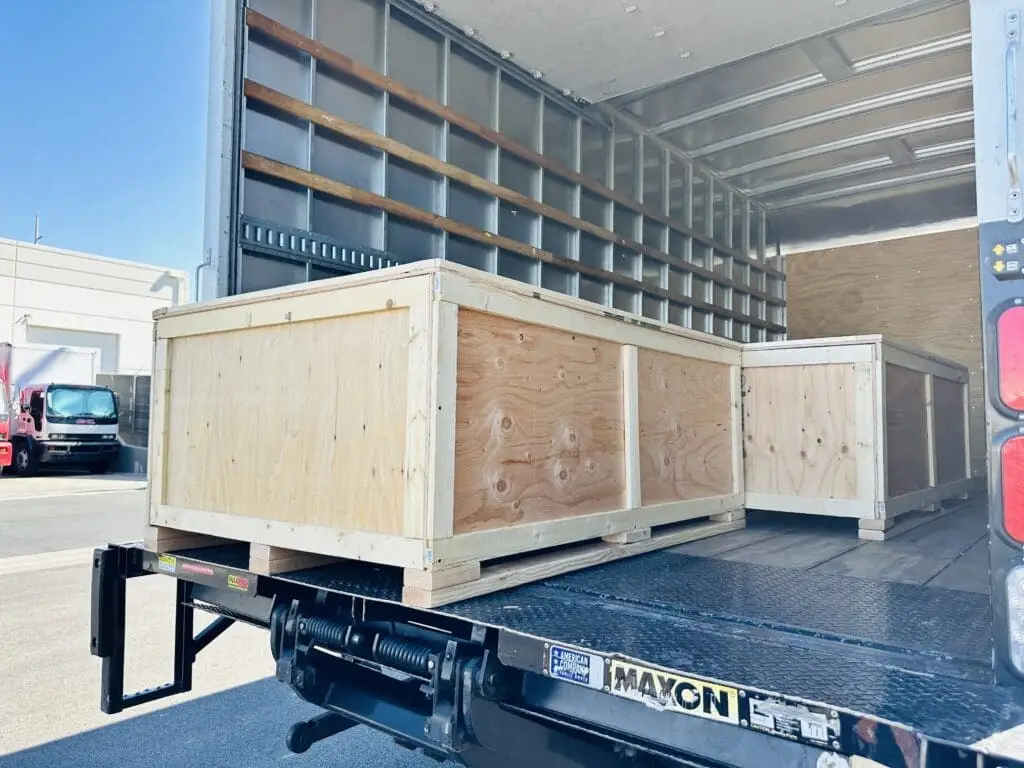
Follow an orderly export-crating process
- Define the shipment. Supply cargo details, destination and the intended transport schedule.
- Review the proposal. Confirm dimensions, handling access, packing scope and applicable wood-packaging requirements.
- Assign treatment and marking. Identify the responsible provider and check the completed package.
- Coordinate collection. Share finished dimensions, gross weight and package identifiers with the carrier.
- Confirm the remaining documents. Have the exporter or broker review cargo paperwork and destination requirements.
Agree on available dates before relying on them. A consultation or quotation is not an on-time-delivery guarantee.
Keep the handoff traceable
Retain the agreed packing scope and photographs of the finished crate and visible marks. Keep treatment marks readable and avoid covering them with labels or wrapping.
Check the status again after a repair or material change, and ask about any requirements for reused packaging. Addressing ISPM 15 reduces one avoidable source of border problems; other inspection and customs requirements still apply.
PLAN YOUR CRATING
Discuss compliant wood packaging for your export
Ask Crates of Las Vegas about heat-treatment and export-crating options. Bring the route and cargo information so the quote can distinguish the treatment/marking scope from the protection and transport services.
Discuss your crating projectMORE CRATING GUIDES