

LAS VEGAS · CRATING GUIDE
Artwork Crating and Packaging in Las Vegas: Protect the Details
A painting, a marble sculpture and a mixed-media installation can be equally valuable while needing very different packing. Good artwork crating begins with the object's condition, materials and structure, not simply its price or outer dimensions.
For galleries, collectors and artists shipping from Las Vegas, the aim is to reduce avoidable transport risks while keeping the object accessible to trained handlers. No crate can remove every risk, and packing for a journey is different from planning long-term collection storage.
Assess the artwork before planning its support
Record dimensions, weight and existing condition with photographs. Identify fragile frames, loose elements, old repairs and surfaces that should not be touched. A conservator should advise when stability or material compatibility is uncertain.
Use that assessment to decide whether the piece needs a travel frame, a shaped support or another arrangement. Supports should bear on suitable structural areas, leaving vulnerable projections and finishes clear.

Choose contact materials with care
A generic sequence of tissue, bubble wrap and foam is not suitable for every artwork. Even an acid-free label does not show that a material can safely touch an unfamiliar paint, finish or mixed-media surface.
The Canadian Conservation Institute's painting-wrapping guidance explains when a travel frame is needed to keep wrapping away from the paint surface. Packing instructions should follow the actual artwork's requirements.
Discuss frame corners separately: a fragile decorative corner may not tolerate the pressure of a standard protector. Cushioning and restraint must be designed around acceptable contact points rather than forced into every gap.
Address the environment across the whole journey
Tell the provider about heat exposure, storage stops and any temperature or humidity limits. Confirm whether the packing proposal includes a specified barrier or insulation system and what transport conditions it assumes.
A sealed wooden enclosure does not actively control its climate. Sensitive art may require an appropriate vehicle, controlled storage and a planned receiving environment in addition to the packing. Ask the conservator or responsible collection professional for the relevant limits and unpacking instructions.
Check provider scope, insurance and export requirements
- Relevant experience: ask about work with comparable materials and object types.
- Written packing scope: identify who assesses condition, approves contact materials and packs the piece.
- Insurance: confirm the actual policy, coverage period, value basis, exclusions and claims process with the appropriate provider.
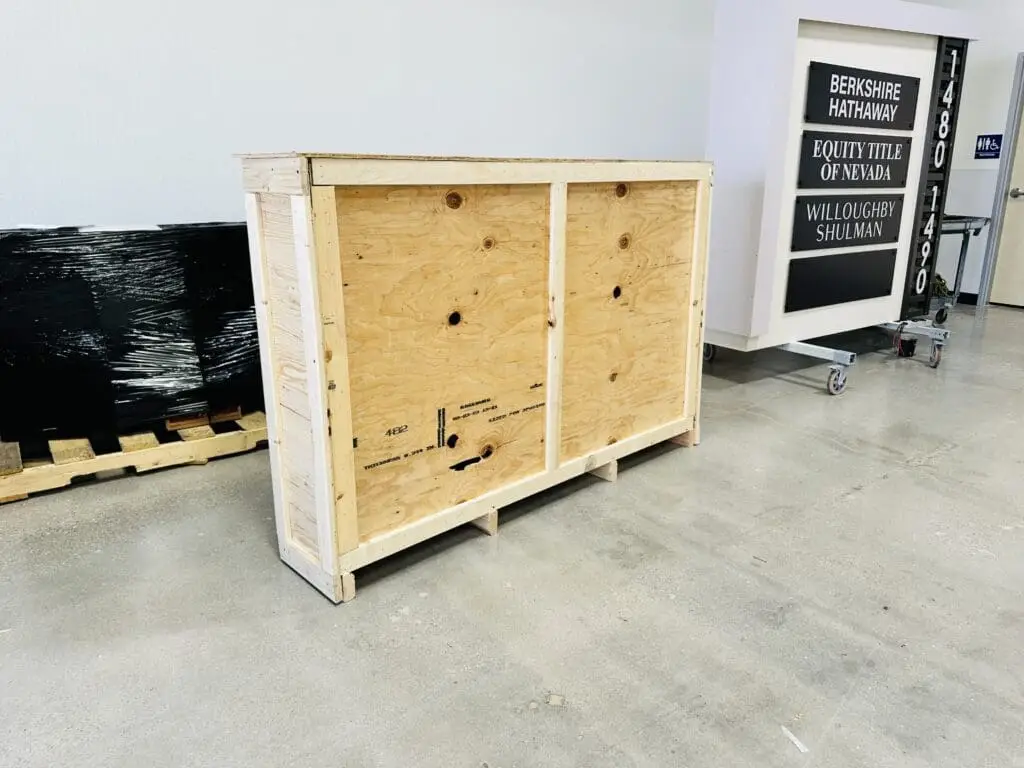
- Export packaging: check the destination's wood-packaging treatment and marking requirements separately from the artwork's documents.
Do not assume insurance is included, that all losses are covered or that an ISPM 15 mark establishes conservation quality. These are different questions requiring different evidence.
Make receiving part of the preservation plan
Give the destination team a packing inventory and opening sequence. Arrange sufficient space, suitable equipment and trained handlers before arrival. Preserve condition records so the piece can be checked consistently at each handoff.
For exhibition travel or future reuse, retain the packing diagram and inspect the crate and supports between journeys. A sound shipping case still needs reassessment if the artwork or route changes.
PLAN YOUR CRATING
Discuss your artwork's crating requirements
Explore art crating and packing with Crates of Las Vegas. Supply photographs, condition information and any conservator's instructions so the proposed protection respects the individual piece.
Discuss your crating projectMORE CRATING GUIDES




