LAS VEGAS · VERSATILE CRATE DESIGN
Versatile Custom Wood Crates for Las Vegas Shipping
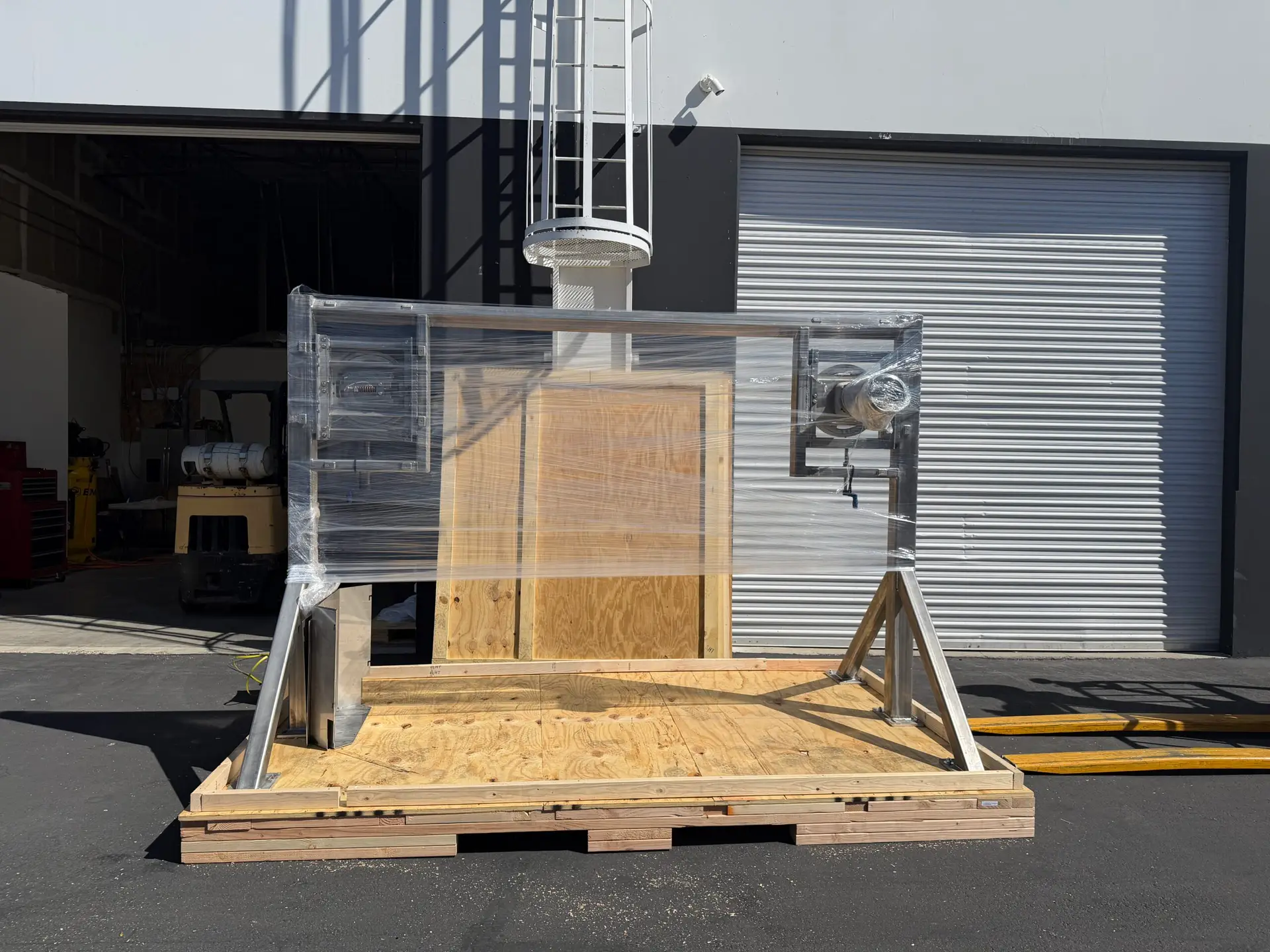
A custom wood crate can be designed around a sculpture, a piece of equipment, or a display that will travel more than once. Its value comes from matching the enclosure, internal supports, and opening method to the actual load. For Las Vegas businesses and individuals, that starts with understanding what the item needs throughout packing, transport, and unpacking.
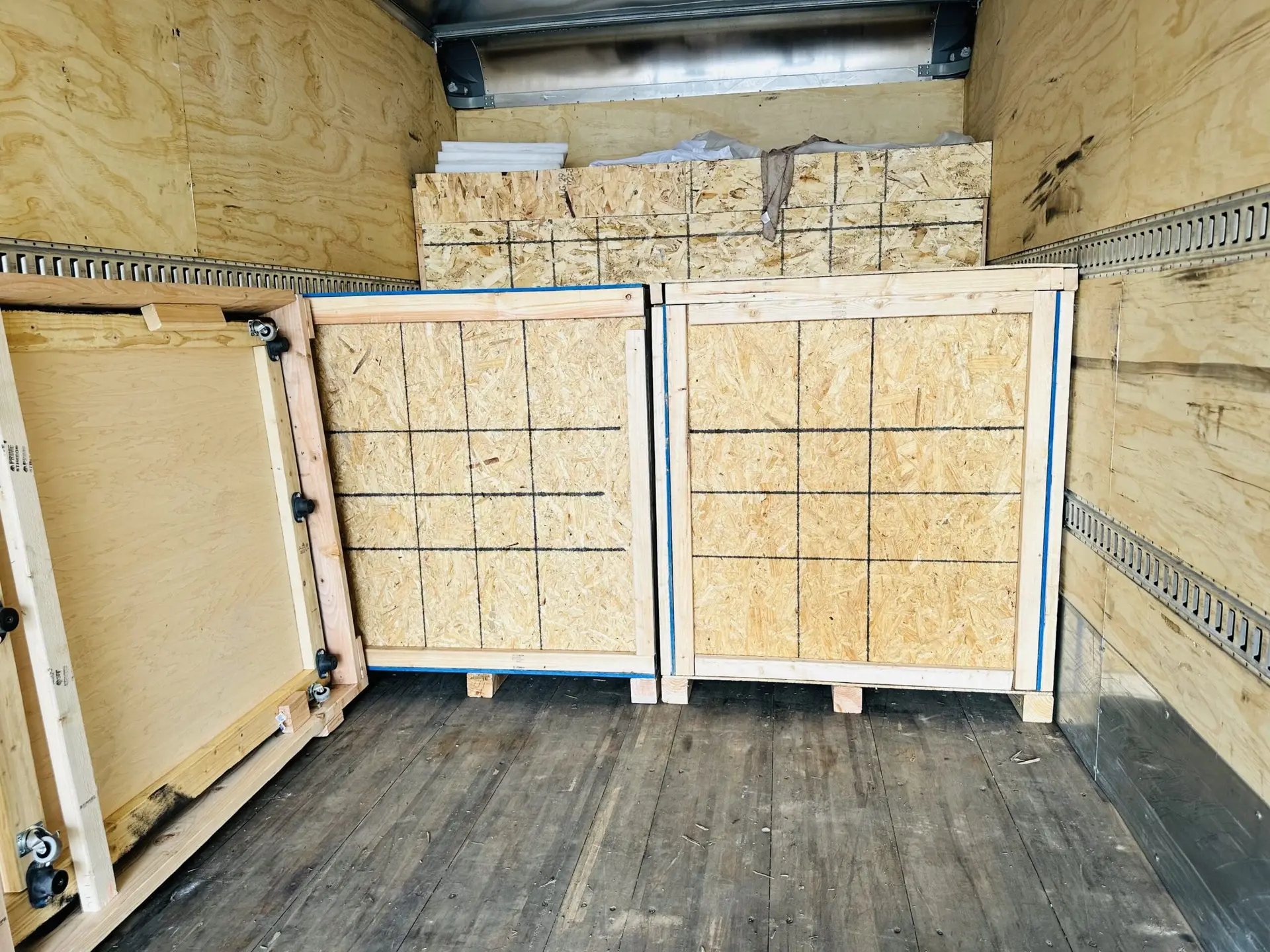
This guide looks at five aspects of versatile crate design: craftsmanship, presentation, different cargo types, local handling needs, and protection in transit. Use them to prepare a more useful brief before requesting a quote.
Build the crate around the item
Good craftsmanship begins with accurate information. Record the item's widest, deepest, and tallest points, including anything that protrudes. Supply its weight and identify any parts that must not carry a load. A photograph can explain the shape, but it should accompany measurements rather than substitute for them.
The design discussion should cover how the item will be supported, where cushioning may touch it, and how the packer will place it inside. An irregular object may need a different arrangement from a rectangular machine with a stable base. Ask the builder to explain the proposed support points and how the crate will be lifted.
- Provide dimensions, weight, photos, and a description of the item.
- Identify delicate surfaces, loose components, and any approved attachment points.
- Confirm whether packing will happen at your location or at a workshop.
Give presentation a practical purpose
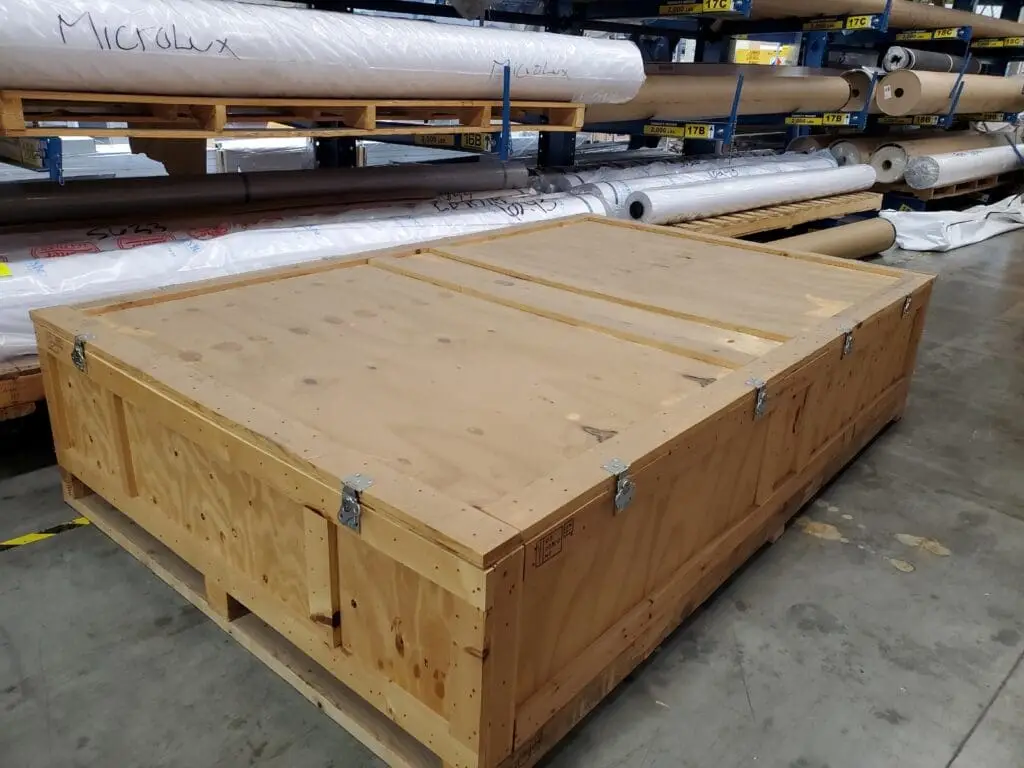
The original appeal of a bespoke wood crate includes its appearance. A tidy, well-organized package can make handover clearer, especially when a client or installation team will open it. Discuss labeling, the location of opening instructions, and how parts will be identified before adding decorative details.
If the crate is also intended for display or a branded presentation, describe that use explicitly. Ask which finishes or markings are available and suitable for contact with the shipment. Keep handling information easy to find. A visual reference helps communicate a preference, but it does not establish a crate's load capacity or protective performance.
Adapt the interior to different cargo
Versatility comes from choosing a layout for a defined item. Artwork may have a vulnerable frame or finish. Equipment may have projections and removable accessories. Event displays may need labeled compartments so their parts can be unpacked in sequence. These differences belong in the brief.
Crates of Las Vegas describes item-specific crating and packaging for a range of loads in its service overview. The combination of supports, cushioning, and enclosure should be agreed for your project. Reusing a crate for another object requires a new fit and condition check; similar outside dimensions alone are not enough.

Plan for the Las Vegas handover
A crate's usefulness also depends on the spaces and people around it. For a hotel, gallery, business, or event shipment, find out where the package will be collected and received. Supply doorway or elevator restrictions when they matter, along with loading access and the receiving contact.
For a return trip, discuss how the crate will be stored between uses, which panel should open, and how its parts will be identified. Confirm the actual venue or carrier's requirements directly. Event rules and appointments can differ, and the crate design should be based on the requirements for this shipment.
Check protection beyond the exterior
The outer wood enclosure is one part of a packing system. Ask how the contents will be restrained and cushioned, how vulnerable surfaces will be separated from packing materials, and what handling method the completed package requires. Raise moisture, dust, or temperature concerns during assessment so any additional measures can be specified.
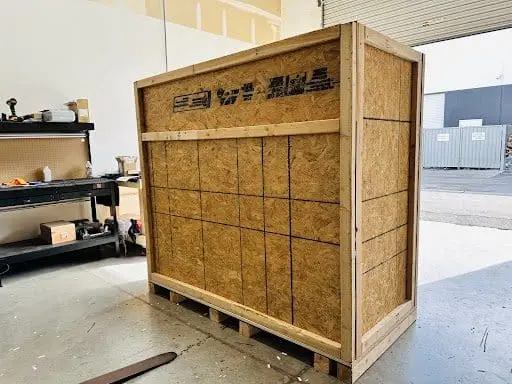
No crate removes every transit risk. Before closure, document the item's condition and the agreed packing arrangement. Make sure the recipient understands the opening sequence and has suitable handling equipment. If something about the route or item changes, review the design before shipping.
PLAN YOUR CRATING
Discuss a crate for your specific load
Send Crates of Las Vegas the item's dimensions, weight, photos, route, timing, and any repeat-use or presentation requirements. A clear description of the load and its journey gives the team a useful starting point for a custom crating discussion.
Discuss your custom crateMORE CRATING GUIDES