

LAS VEGAS · CRATING GUIDE
Wood Crate Services in Las Vegas: A Practical Guide
Wood crate services help prepare items that need a defined support structure and protective packing for transport. Machinery, artwork, medical equipment, exhibit components and valuable household items can all present different challenges.
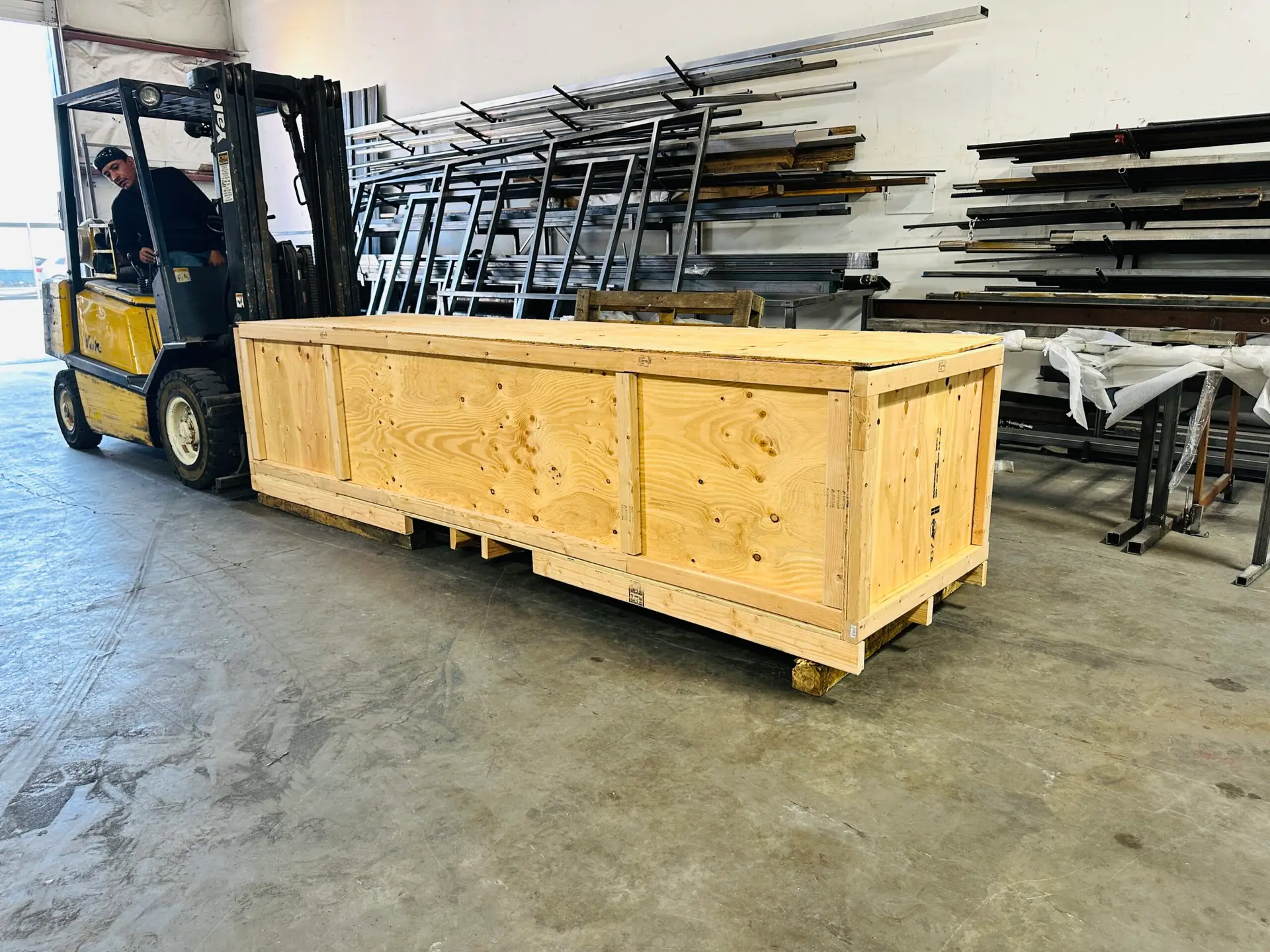
The useful starting point is a clear description of the item and its journey. From there, a provider can discuss the crate, interior protection, packing location and work needed before collection. This guide explains those stages and the questions worth asking.
What a wood crate can help protect against
A suitable crate can reduce exposure to common handling and transport hazards. Its structure provides the intended enclosure, while internal supports and packing protect the cargo within it.
The design may need to address:
- Unwanted movement or contact between parts
- Shock and vibration during handling and transport
- Pressure on vulnerable surfaces or projections
- Exposure to dust, moisture or other route conditions
- The practical demands of loading, unloading and opening the package
No enclosure can prevent every incident. The item’s preparation, the carrier’s handling and the receiving arrangements also matter. Temperature-sensitive cargo may need a controlled transport service in addition to packaging.
How a custom wood crate is planned
Weight and dimensions
Provide the item’s dimensions, weight and intended shipping orientation. Include attached components, fragile areas and any known center-of-gravity information. For equipment, supply approved lifting and securing instructions.
The provider should distinguish the item’s measurements from the finished package’s outside size and total weight. Those packed figures are needed when coordinating the carrier and receiver.
Base, support and framing
The base and internal supports need to transfer the load through suitable structural areas. The frame, panels and fasteners should match the intended use and handling conditions.
Ask how the crate will be moved and whether stacking is permitted. Do not infer a load capacity from its appearance or assume that a wooden top can support other freight.
Interior protection
Blocking, bracing, partitions and cushioning can be combined to limit unwanted movement and protect sensitive parts. Materials should suit the item’s load, surface and fragility.
Electronics may need specific static-protection measures. Art and antiques may need specialist advice on safe contact materials. A fitted interior should support the item without pressing on vulnerable areas.
When additional barriers may be useful
For some shipments, the packing plan may include a vapor barrier, desiccant, compatible corrosion protection or exterior wrapping. Discuss the cargo’s requirements, expected transit time and storage conditions before choosing these measures.
A wooden crate does not inherently control humidity or temperature, and wrapping does not eliminate every moisture risk. The appropriate approach depends on the item and the environment it must tolerate.
For export, review regulated wood components and destination requirements. ISPM 15 addresses raw wood packaging and dunnage. Processed-wood panels do not automatically exempt solid-wood skids or framing in the same assembly.
Common business and residential uses
Manufacturing and industrial shipments often need careful base support and planned handling. Aerospace components may have specific preparation or packaging instructions from their manufacturer or customer.
Healthcare and laboratory equipment can require transport locks, protection for sensitive assemblies and checks after arrival. Fine art and museum objects need condition documentation, safe support and attention to materials in contact with the work.
Trade show exhibitors may need reusable access hardware and clear packing positions for displays and accessories. For residential moves, furniture, heirlooms and other valuable items should be assessed individually rather than crated solely because they are expensive. The item's structure and moving route determine the protection needed.
Choose the service scope and packing location
Ask whether the item will be measured and packed onsite or at the provider’s facility. Onsite work may avoid an initial move of an unprotected item, but it requires suitable workspace and access for the completed crate.
If the item goes to a workshop, confirm how it will be protected during that first move and who handles unloading. Review the destination’s equipment and access too.
Compare written quotes for the same work: assessment, materials, interior packing, onsite labor, loading and any pickup or delivery. Verify who is responsible for freight booking, specialist lifting and unpacking. Relevant experience is useful, but it should be supported by a clear plan for your shipment.
Prepare before collection
Follow manufacturer or specialist instructions for equipment disconnection, moving components, fluids and batteries. Label loose accessories and document the item’s condition before packing.
Confirm the finished crate’s size and weight with the carrier. Share handling restrictions and check receiving access before dispatch. Keep an opening sequence and, for reusable crates, photos showing how the item should be repacked.
Wood-crate service questions
Is onsite crating always necessary?
No. It depends on the item and whether it can reach a facility safely. Compare both approaches where practical.
Can a crate be reused for another item?
Have the new load and interior arrangement assessed first. Similar dimensions alone do not establish compatibility.
Does crating include transport?
The agreed quote should say whether transport or coordination is included. Confirm responsibilities rather than relying on a general service description.
PLAN YOUR CRATING
Plan your wood crating project
Review wood crate services from Crates of Las Vegas and send dimensions, weight, photographs, destination and required shipping date. Include access constraints and any special preparation instructions.
Contact Crates of Las Vegas to discuss the crate and packing scope.
Request a Crating QuoteMORE CRATING GUIDES



