

High-Value Cargo
Custom Wooden Crates for High-Value Shipping in Las Vegas
A valuable shipment deserves a packing plan built around the item. For a Las Vegas business moving equipment, artwork, a trade show exhibit, or a commercial asset, the cost of damage can include repair, replacement, lost operating time, and a missed event.
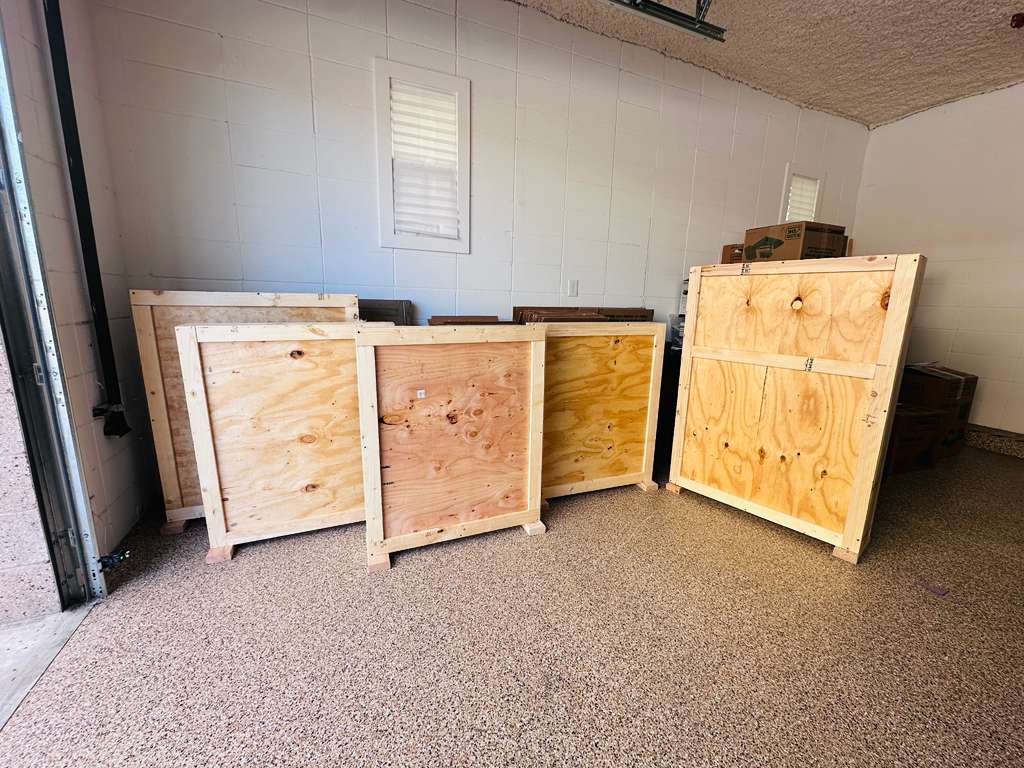
Custom wooden crating can help address those risks by combining a protective structure with item-specific supports and packing. Its value comes from matching the package to the cargo and route, then coordinating how it will be loaded, transported, and unpacked.
Build Protection Around the Item
Dimensions and weight are the starting point. The crate builder also needs to know how the weight is distributed, which parts are fragile, and where the cargo can safely be supported or restrained.
A useful design may combine a reinforced base, blocking, bracing, cushioning, and clearances around sensitive surfaces. The purpose is to limit movement and handling damage while avoiding pressure on components or finishes that cannot bear it.
Share photographs and any manufacturer transport instructions. Identify protruding pieces, removable accessories, approved lifting points, and orientation restrictions. For an unusual or oversized item, confirm the final package size and the equipment needed to handle it before construction begins.
The choice of wood and panel thickness should follow the design. Neither a particular wood species nor a heavy-looking shell, by itself, establishes the protection needed for a valuable load.
Match the Approach to the Industry and Cargo
The broad category of the shipment is useful context, but the details determine the packing plan:
- Artwork and antiques may need carefully chosen contact materials and support around delicate surfaces
- Industrial machinery may require a load-bearing base and restraints at approved mounting points
- Electronics and sensitive equipment may need item-specific cushioning and manufacturer-approved preparation
- Trade show and entertainment displays may need labeled components and a repeatable unpacking and return-packing sequence
- Hotel or commercial installations may require advance planning for doors, loading access, and the receiving location
These are planning considerations rather than interchangeable crate specifications. A solution suitable for a robust machine can be unsuitable for a fragile artwork of the same weight. Discuss the actual item with the builder instead of choosing packaging only by an industry label.
Separate Export Compliance From Cargo Protection
International freight adds destination and route requirements to the physical packing plan. Regulated solid-wood crates, pallets, and dunnage may need ISPM 15 treatment and marking. USDA APHIS's wood-packaging overview explains the plant-health purpose of those measures.
A compliant treatment mark does not promise damage-free delivery or satisfaction of every import rule. Confirm the destination requirements with your forwarder or broker and identify who will arrange the appropriate packaging, marks, and documentation.
Likewise, a crate should not be assumed to provide controlled temperature, a waterproof enclosure, or security against theft. Where the cargo needs environmental controls, a specified barrier, or extra security arrangements, include those requirements in the project discussion.
Assess Reuse and Short-Term Packaging Options
A reusable crate may make sense when equipment or displays travel repeatedly. Removable panels, suitable closure hardware, labeled interior supports, and clear repacking instructions can help the receiving team use the same arrangement again.
Compare the full cost, including the return trip for empty packaging, storage space, inspection, and any repairs. Reuse is worthwhile only while the crate remains suitable for the cargo and route. If its load changes, have the design reviewed rather than assuming the old packing arrangement will work.
For a one-time or short-term project, ask what packaging options fit the job and budget. If considering a rental, confirm that a provider actually offers it and that the equipment is suitable, available, and covered by clear return terms. Do not build your shipping schedule around an assumed rental or rush service.
Confirm the Scope of Local Crating Support
Local coordination can make it easier to arrange measurements, clarify access, and resolve packing questions before pickup. Crates of Las Vegas describes custom crating services tailored to cargo dimensions, weight, and protection requirements.
Before proceeding, have the quote clarify:
- Where measuring, fabrication, and packing will take place
- Which materials and interior supports are included
- Who prepares or disconnects the equipment, where applicable
- Whether pickup, delivery, or freight coordination is included
- What loading and unloading equipment is required
- The agreed production schedule and handoff date
- Any export-packaging or reuse requirements
Ask the carrier and your insurance contact about applicable coverage and documentation separately. Keep a record of the item's condition and the finished packing arrangement. A custom crate is one part of managing a valuable shipment, and clear responsibilities help the rest of the plan work.
PLAN YOUR CRATING
Request a Quote for High-Value Crating
Share your cargo's dimensions, weight, photographs, destination, and required date with Crates of Las Vegas. Include any fragile areas, manufacturer instructions, access restrictions, or plans for repeated use so the team can discuss an appropriate design.
Contact Crates of Las Vegas for a custom-crating quote based on the needs of your shipment.
Request a Crating QuoteMORE CRATING GUIDES



