Crates of Las Vegas Journal
Custom Crates for Safer, More Organized Shipping
A custom crate is worth considering when an item needs a support system or enclosure that the proposed standard packaging cannot provide. Heavy machinery, irregular artwork and sensitive equipment can each present different packing problems.
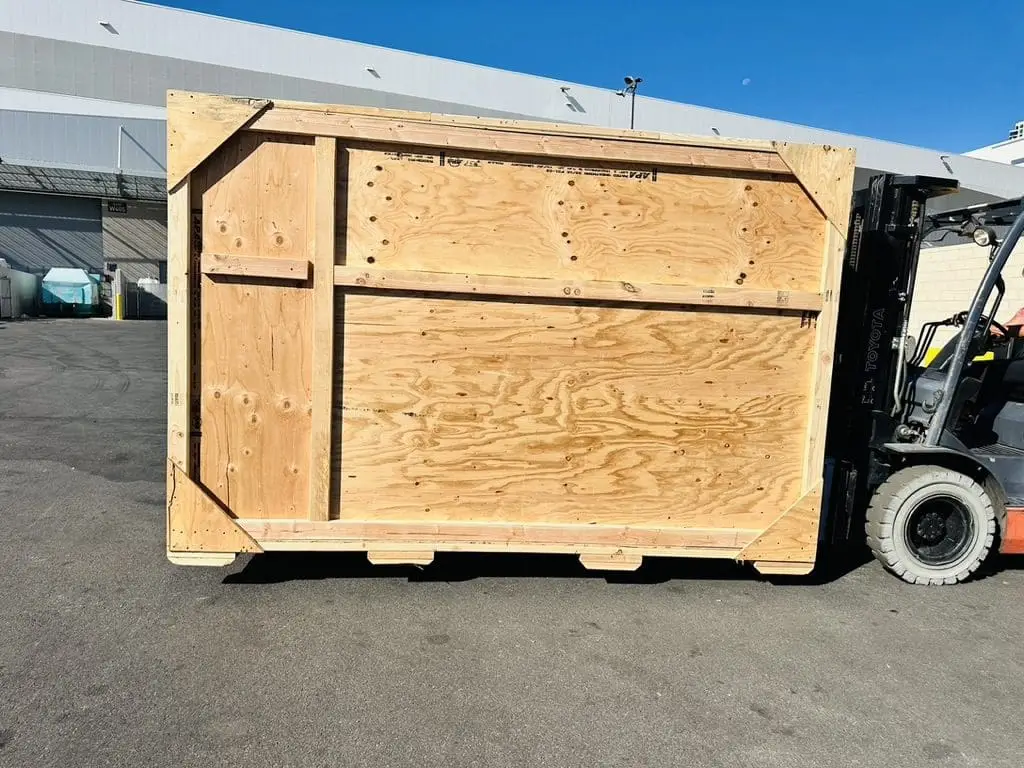
For a shipment from Las Vegas, identify those problems before ordering a crate. A useful design addresses the cargo, transport route and receiving arrangements. It should be evaluated on that basis rather than described as the safest option for every item.
Tailor protection to the actual load
Provide complete dimensions and an accurate weight, then identify fragile surfaces, projecting components and safe support points. Include manufacturer instructions for equipment or specialist guidance for artwork.
Custom dimensions should allow for the required supports and cushioning. A tight fit alone is not enough, and padding should not be described as climate-controlled. If temperature or humidity matters, define those requirements separately and discuss how the transport and storage plan will meet them.
Confirm the structural and handling requirements
The base, framing, panels and closures need to work together for the intended load. Ask how the item will be restrained and what handling method the completed package assumes. Do not infer stackability from a flat top or strength from the thickness of one panel.
Standard packaging can be suitable when correctly specified. Compare actual options for the load rather than assuming all cartons or plastic containers fail on long journeys. The carrier and recipient should receive the crate’s packed dimensions, weight and handling limitations.
Compare cost with the risks being addressed
Custom construction adds material and labor cost and can add freight weight. Consider that alongside the value of better support, repeatable packing or easier handling. Get transport pricing using the final package specification.
For recurring shipments, include recovery, storage and inspection in the reuse calculation. Record packing condition and clarify insurance or declared-value arrangements separately. A crate can address particular risks without making the shipment risk-free or guaranteeing a claim outcome.
Check the export packaging and documents
Where the destination requires ISPM 15, regulated wood packaging needs approved treatment and marking. APHIS export guidance explains how exporters should check those requirements.
A treatment mark does not certify moisture resistance, structural protection or every customs document. Coordinate the packaging with the forwarder’s requirements for the commodity and route, and leave time for questions before collection.
Make receiving part of the design
Clear instructions can help a customer or installer understand how to open the crate without disturbing the contents unnecessarily. Include an inventory and identify removable panels or restraints. Confirm the recipient has suitable unloading equipment before dispatch.
- Label the package consistently with the shipment records.
- Keep handling marks and transport labels visible.
- Provide a packing diagram for complex interiors.
- Identify a contact for missing parts or apparent damage.
- Retain instructions if the crate will be used again.
An organized handover can support a professional customer experience without promising a particular brand or sales result.
PLAN YOUR CRATING
Discuss a crate for your shipment
Contact Crates of Las Vegas with the item details, photographs, route and receiving constraints. Ask the team to explain the proposed protection and confirm the services included in the crating scope.
Discuss Your Crating ProjectMORE CRATING GUIDES