
Business shipping
Why Companies Need Commercial Shipping Crates
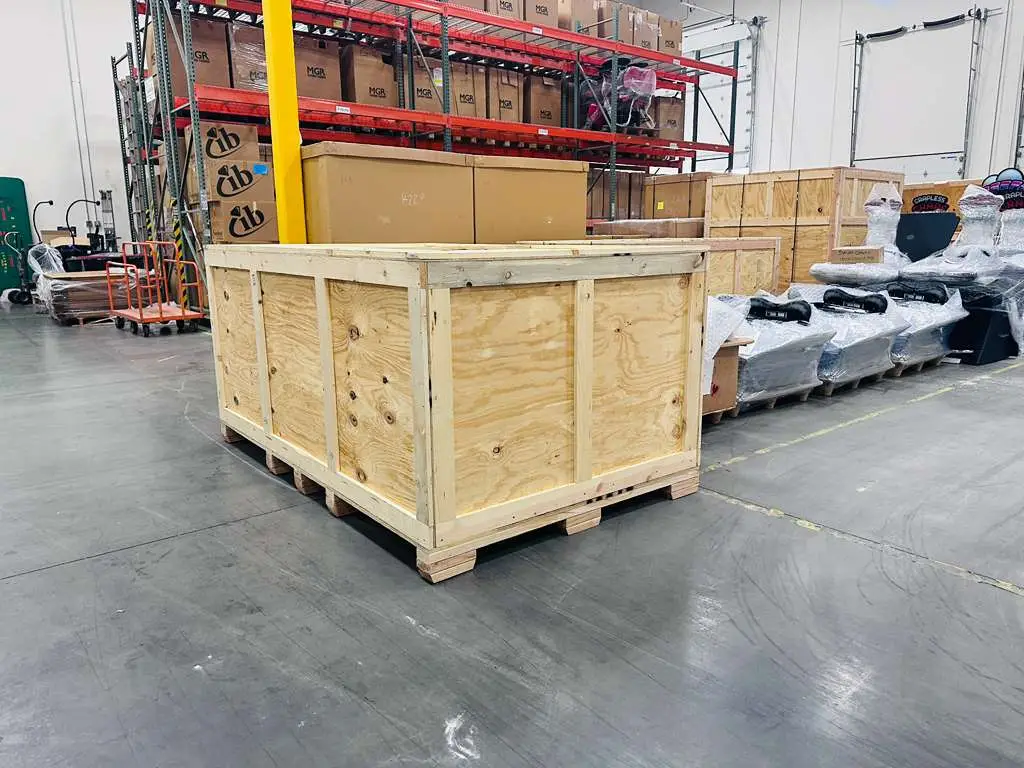
Businesses move products, equipment, and materials across cities, countries, and continents. Damage, delays, and packaging-related compliance problems can affect both profitability and customer relationships. Commercial shipping crates provide an option for goods that need a rigid enclosure and shipment-specific internal support.
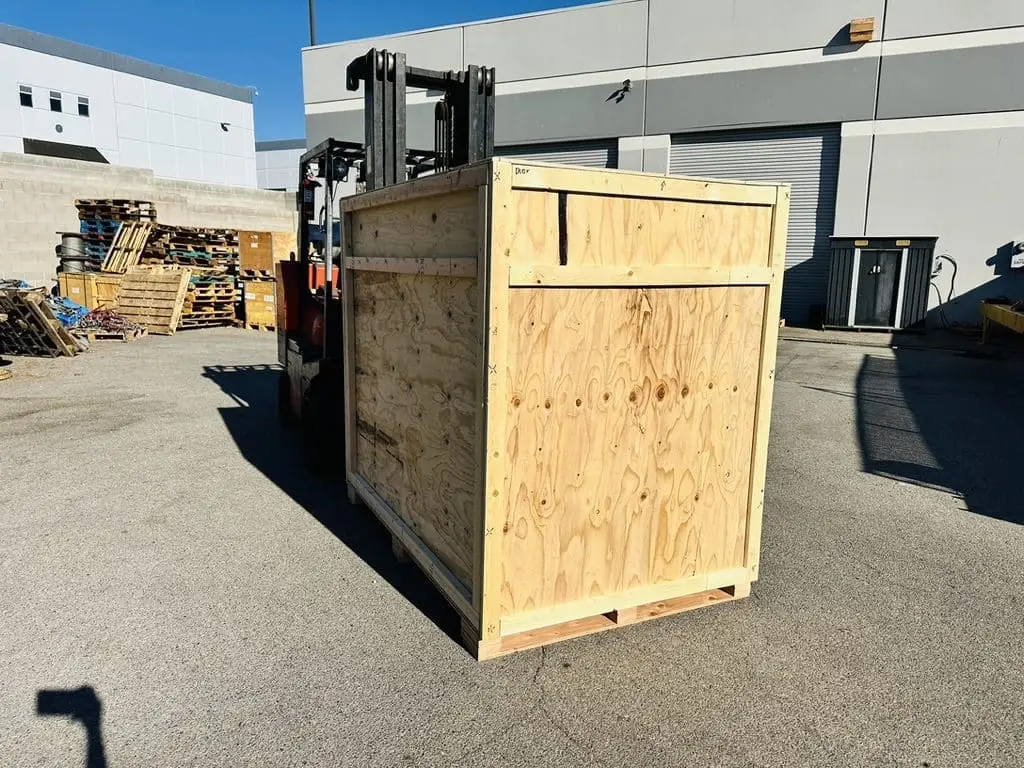
Custom shipping crates can be designed around business needs, from a single prototype to repeat equipment shipments. Crates of Las Vegas provides custom crating; the right specification depends on the cargo, handling route, and destination.
Enhanced Protection for High-Value Business Shipments
Businesses often ship expensive machinery, electronics, prototypes, retail inventory, and sensitive equipment that cannot be easily replaced. Wooden crates can provide an outer structure that helps protect these items from contact with other freight and handling equipment.
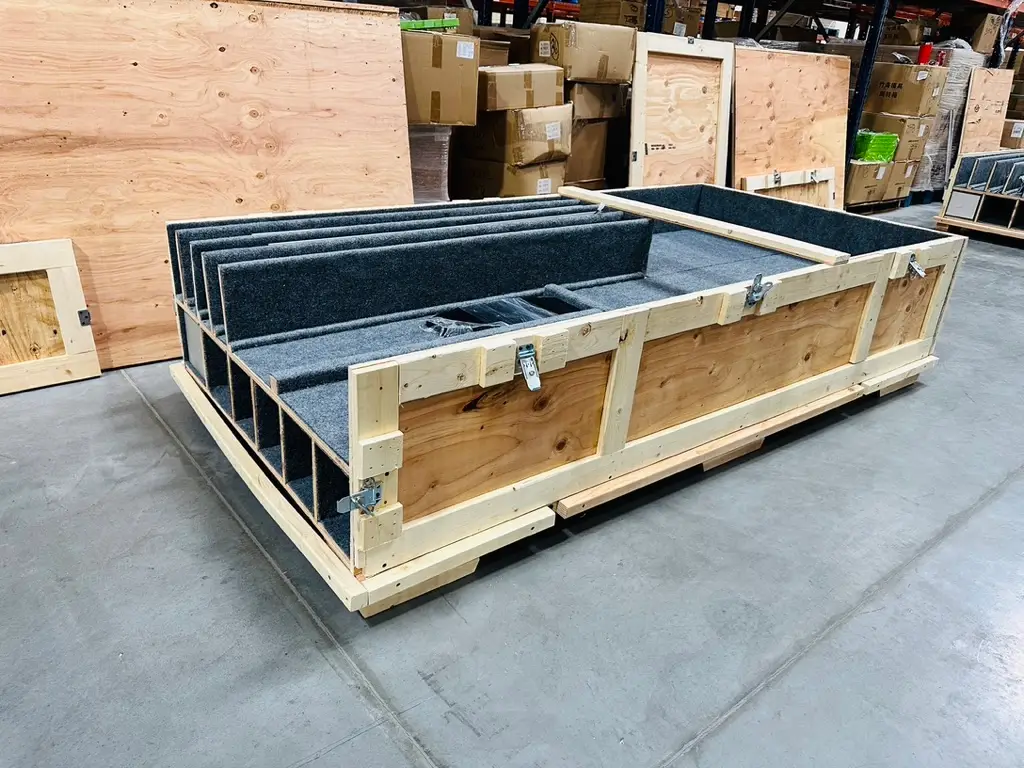
Internal supports such as foam inserts, blocking, and bracing help secure the contents. Their design matters as much as the outer enclosure: a strong crate can still leave a product vulnerable if it is poorly supported or able to move inside.
For industries where minor damage can cause production delays or customer dissatisfaction, packaging should reflect the item’s vulnerable points and the consequences of failure. Confirm the planned handling and stacking loads rather than assuming every crate tolerates heavy stacking or rough treatment.
Compliance With Shipping and Export Requirements
Commercial crates can support export preparation, but the crate alone does not establish full compliance for a shipment. Check destination-specific wood-packaging requirements, including treatment and marking where applicable.
Do not treat an ordinary domestic wooden crate as automatically suitable for international use. Tell the builder where the cargo is going and ask what documentation or marking will accompany the proposed packaging. Cargo-specific customs paperwork, permits, and carrier requirements still need separate attention.
Weight indicators, orientation markings, and handling instructions help communicate how the packed item should be moved. They should reflect the actual crate and cargo rather than substitute for a suitable design or a confirmed freight plan.
Improved Efficiency in Logistics and Handling
Efficiency is a critical factor in commercial logistics. A crate designed for the available handling equipment can simplify loading and unloading while reducing the need to handle the product directly. Confirm forklift or pallet-jack compatibility at both ends of the journey.
Regular outside dimensions may make load planning easier, but custom crates are not automatically stackable. Any stacking arrangement needs an agreed load limit and a design that supports it. The crate’s additional weight and size also need to be included in the freight quote.
For companies managing repeat shipments, documented crating specifications help maintain consistency. Record the cargo version, internal supports, packing sequence, and handling instructions so a repeat order does not rely on memory alone.
Reduced Exposure to Damage-Related Costs
Damage during shipping can be costly through product replacement, lost time, delayed projects, and dissatisfied customers. Commercial shipping crates can help manage these risks when their construction and internal packaging suit the shipment.
The business case should compare the total packaging and transport cost with the likely consequences of damage. Savings are specific to the product and shipping operation; a crate does not guarantee fewer claims or a lower freight bill.
Insurance coverage and claim outcomes depend on the applicable policy and transport terms. Ask the insurer or carrier about packing and evidence requirements before shipment instead of assuming a professionally built crate changes coverage automatically.
Scalability for Growing Business Operations
As businesses grow, shipping needs may involve different product sizes, volumes, and destinations. Custom crating can support that variety while retaining a repeatable process for familiar products.
A company shipping a single high-value item needs a different plan from one shipping recurring batches of equipment. Share expected quantities, product variations, and schedule requirements with the builder. If modular or reusable construction would be useful, discuss it as a project requirement rather than assume it is included.
Standardized packing instructions can help manufacturers and exporters repeat a successful setup. Recheck the design when cargo dimensions, weight, fragility, or the transport route changes.
PLAN YOUR CRATING
Discuss Commercial Crating for Your Business
Commercial shipping crates can combine cargo protection with practical handling and a repeatable packing process. Their value depends on matching the crate to the business’s actual shipping requirements.
Contact Crates of Las Vegas with the items you ship, dimensions and weights, expected quantities, destinations, and schedule. Include access restrictions and any repeat-use needs so those details can be considered in the quote.
Discuss Commercial CratingMORE CRATING GUIDES