

Crates of Las Vegas Journal
Commercial Crating in Las Vegas: What to Confirm Before Shipping
A commercial shipment is easier to coordinate when the packaging scope is clear. The crate provider, business owner, carrier and recipient should know which tasks they are handling and what information they need from one another.
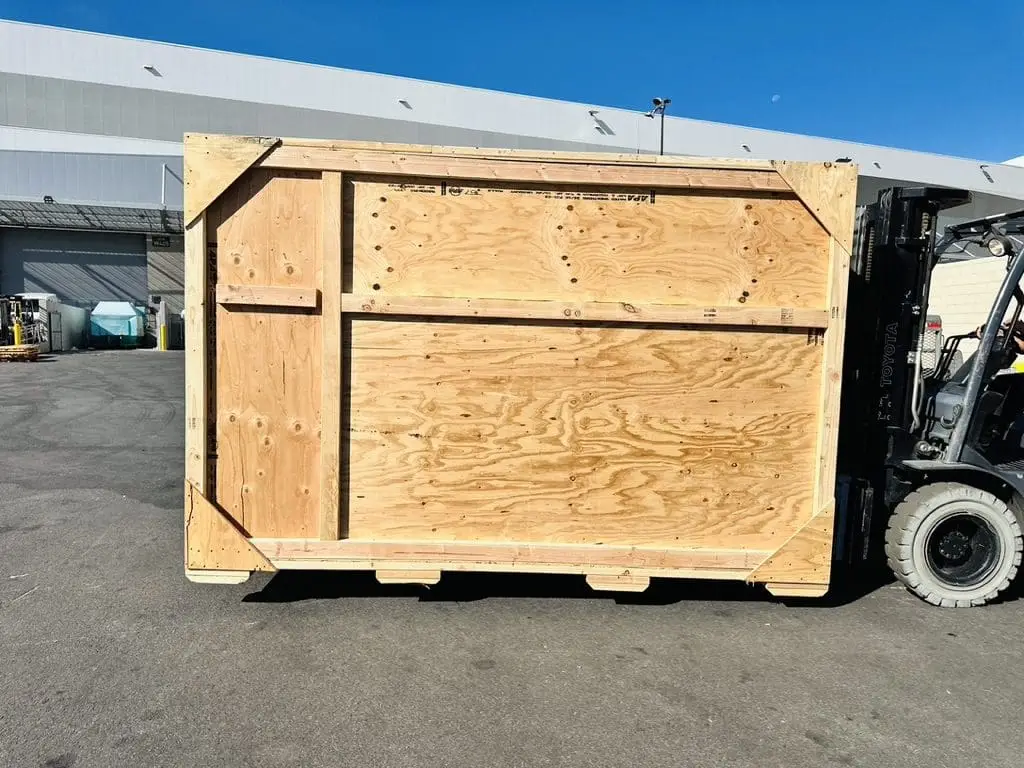
Crates of Las Vegas describes custom wooden crating based on an item’s dimensions, weight and handling needs. For a business shipment, use those details to develop a specific proposal rather than relying on broad promises about reputation, speed or compliance.
Define the commercial crating scope
List the items and the work needed before packing. An exhibit display, hospitality fixture and industrial machine can involve very different preparation. Identify who disconnects equipment, removes parts or supplies manufacturer instructions.
Ask the provider to confirm what the quote includes: measurement, construction, interior protection, packing, closure and any on-site work. Freight booking, storage and unpacking should be explicitly addressed rather than assumed to be part of every crating service.
Match the crate to the business need
Provide complete dimensions, accurate weights and photographs of fragile surfaces or projections. Explain the intended orientation and any approved support points. Include the carrier’s or recipient’s external-size constraints.
Custom design can address those details with a suitable base, enclosure and interior arrangement. Request an explanation of the proposed handling method and any limitations. A visually substantial crate is not proof that it suits every load or stacking condition.
Confirm export requirements and responsibility
For an international shipment, determine whether the destination requires ISPM 15-compliant wood packaging. APHIS export guidance explains the need to check the destination and source appropriate treatment and marking.
Wood-packaging compliance is distinct from the commodity’s import rules, commercial documents and transport arrangements. Ask the forwarder to review those requirements. Do not treat a crate’s mark as a guarantee of customs clearance or arrival on a promised date.
Evaluate reuse and material options
If the business ships the same load repeatedly, consider whether the crate can be recovered and stored. Include return freight, inspections and repairs in the comparison, and retain a documented packing layout.
Ask for evidence of any sourcing or recycled-content claim that matters to the purchase. Confirm repair or recycling services before including them in the logistics plan. Environmental benefits depend on actual material use and recovery, rather than the word “wooden” alone.
Set up a reliable receiving handover
Before collection, send the recipient the packed dimensions, weight, opening instructions and inventory. Confirm unloading facilities and arrange any qualified staff needed to handle or recommission the contents.
- Check the final item list and packing scope.
- Photograph the condition and completed packing arrangement.
- Confirm collection details with the carrier.
- Provide the recipient with handling and opening instructions.
- Identify who should receive reports of damage or missing parts.
This practical coordination supports business continuity without promising a risk-free shipment or replacing the carrier’s responsibilities.
PLAN YOUR CRATING
Discuss your commercial shipment
Contact Crates of Las Vegas with the item list, locations, route and required schedule. Ask for a confirmed scope and the information needed to build a crate suited to your business’s handling and protection needs.
Discuss Your Crating ProjectMORE CRATING GUIDES




